


Wires and cables are the foundation of every electrical system, from small electronic circuits to large industrial machinery. Among these components, wire leads play a critical role in ensuring secure, reliable electrical connections. Understanding what wire leads are, how they function, and how to install them properly is essential for anyone working with electrical systems.
This guide explains everything you need to know about wire leads — their types, uses, installation techniques, and maintenance tips — so you can make informed decisions when working with them.
Introduction to Wire Leads
Wire leads are short lengths of wire that are used to connect electrical components, devices, or circuits. They typically have exposed ends or connectors designed for easy attachment to terminals, circuit boards, or other wiring systems.
In simple terms, wire leads act as bridges that allow electricity to flow from one component to another. They are often seen in electrical assemblies, motors, lighting systems, sensors, and various electronic devices.
Wire leads are manufactured in various sizes, materials, and insulation types to handle different voltage, current, and environmental conditions.
Understanding the Purpose of Wire Leads
The main purpose of wire leads is to create a secure and conductive path between two electrical points. In most applications, they are used to connect components that are either too small or too delicate to handle standard wiring directly.
For example, in a motor, wire leads connect the motor windings to the power supply terminals. In sensors, they carry signals from the sensing element to the control system.
Additionally, wire leads help simplify assembly, maintenance, and replacement of electrical components. Because they can be easily disconnected or replaced, they make systems more modular and serviceable.
Structure and Composition of Wire Leads
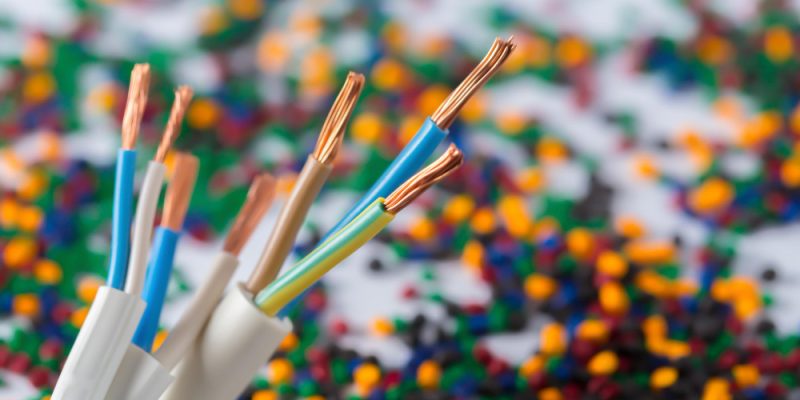
A typical wire lead consists of three main parts:
- Conductor: The inner metal wire that carries current. It is usually made of copper or tinned copper for high conductivity and corrosion resistance.
- Insulation: The protective outer layer made of PVC, silicone, or Teflon that prevents short circuits and protects against heat or moisture.
- Termination: The exposed or pre-fitted end of the wire, which can include crimped terminals, soldered ends, or connectors.
The design of a wire lead depends on the application. Some are made for flexibility and heat resistance, while others are designed for high voltage or mechanical durability.
Types of Wire Leads
There are several types of wire leads, each serving a specific purpose. Here are the most common ones:
a. Bare Wire Leads
These are simple wires with stripped ends, ready for soldering or clamping. They are used in prototyping, lab work, and custom electrical assemblies.
b. Pre-Terminated Leads
These wire leads come with connectors or terminals already attached. They save time and ensure consistency in assembly. Common examples include quick-disconnect leads, spade terminal leads, and ring terminal leads.
c. Pigtail Leads
Pigtail leads are short wires connected to an electrical device, allowing it to be easily connected to a main power or signal line. They are common in lighting fixtures, motors, and sensors.
d. Multi-Conductor Leads
These leads contain multiple insulated wires bundled together under one outer jacket. They are used in applications where several signals or power lines must be transmitted together, such as in control systems and communication devices.
e. Shielded Wire Leads
Shielded leads include a metallic braid or foil around the conductor to protect against electromagnetic interference. They are essential in sensitive signal applications, such as audio equipment and data transmission systems.
f. High-Temperature Wire Leads
Used in environments exposed to heat, these leads are insulated with materials like silicone or Teflon to withstand high operating temperatures.
Common Applications of Wire Leads
Wire leads are found in nearly every electrical and electronic device. Some of the most common applications include:
- Electrical Motors: Connecting coils or windings to external terminals.
- Lighting Fixtures: Supplying power to bulbs or LED assemblies.
- Sensors and Transducers: Transmitting signals from sensing elements to control units.
- Home Appliances: Connecting internal components like switches, heaters, or compressors.
- Automotive Systems: Carrying electrical signals in ignition, lighting, and control circuits.
- Industrial Machines: Used in wiring harnesses for automation and power distribution.
In essence, wire leads serve as the vital link that ensures proper electrical connectivity between various components of a system.
Factors to Consider When Choosing Wire Leads
Selecting the right wire lead is crucial for safety and performance. Here are the key factors to consider:
a. Conductor Material
Copper is the most common choice due to its excellent conductivity and flexibility. For environments where corrosion is a concern, tinned copper is preferred.
b. Wire Gauge
The wire gauge determines how much current the wire can safely carry. Thicker wires handle higher currents, while thinner wires are suited for low-current applications.
c. Insulation Material
Choose insulation based on temperature, voltage, and environmental exposure. PVC is affordable and flexible, while silicone and Teflon offer better heat and chemical resistance.
d. Voltage and Current Ratings
Always ensure the wire lead’s ratings match or exceed the circuit’s voltage and current requirements to prevent overheating or failure.
e. Environmental Conditions
If the wire will be exposed to moisture, heat, vibration, or chemicals, select a lead designed for those conditions.
Installation Guide for Wire Leads
Proper installation ensures reliable performance and long service life. Here’s how to install wire leads correctly:
- Inspect the Wire: Check for any damage to the insulation or conductor before installation.
- Prepare the Ends: Strip only the required length of insulation to expose the conductor. Avoid cutting or nicking the metal wire.
- Attach Terminals or Connectors: If not pre-terminated, use the appropriate crimping or soldering technique to attach connectors.
- Secure the Connection: Insert the lead into the terminal or connector and tighten it to ensure a firm fit.
- Test Continuity: Use a multimeter to verify that the connection is complete and free of shorts.
- Protect the Connection: Apply heat shrink tubing or electrical tape to insulate exposed sections and prevent accidental contact.
- Organize Wiring: Route the leads neatly to reduce mechanical stress and improve appearance.
Following these steps ensures electrical safety and prevents premature wear or failure.
Safety Precautions During Installation
Working with electrical wiring always involves risk, so safety must be the top priority. Follow these essential safety tips:
- Always disconnect power before working on any electrical circuit.
- Use tools with insulated handles to avoid electric shock.
- Avoid excessive bending or pulling of wires.
- Keep wire leads away from sharp edges or hot surfaces.
- Double-check polarity and connections before energizing the system.
- Use proper grounding and fuses in circuits involving high voltage or current.
Practicing these precautions minimizes hazards and ensures long-term reliability.
Maintenance and Troubleshooting of Wire Leads
Regular maintenance helps extend the life of wire leads and prevents electrical failures. Inspect wires periodically for:
- Cracks or cuts in insulation.
- Corrosion or discoloration at the terminals.
- Loose connections or damaged connectors.
- Signs of overheating, such as burnt marks or melted insulation.
If a problem is detected, replace the damaged wire lead immediately. In troubleshooting, use a continuity tester or multimeter to check for breaks or poor conductivity. Proper maintenance not only ensures safety but also improves the efficiency of electrical systems.
Advantages of Using Quality Wire Leads
High-quality wire leads offer several benefits that impact performance and reliability:
- Improved Safety: Reduces the risk of short circuits and overheating.
- Longer Lifespan: Resistant to wear, corrosion, and temperature variations.
- Better Conductivity: Ensures stable current flow for consistent performance.
- Ease of Installation: Pre-terminated leads save time and reduce errors.
- Versatility: Suitable for a wide range of electrical and electronic applications.
Investing in reliable wire leads pays off through reduced maintenance costs and enhanced system efficiency.
Conclusion
Wire leads may seem like simple components, but they are vital for the proper functioning of any electrical system. They ensure that current flows safely and efficiently between devices and circuits. Understanding the types, uses, and installation methods of wire leads allows you to choose the right one for each application.
Whether you’re working on a household project, automotive repair, or industrial setup, selecting the appropriate wire lead will improve performance, ensure safety, and extend the life of your equipment. Always follow proper installation techniques and safety practices to get the best results from your wiring systems.
FAQs
1. What are wire leads used for?
Wire leads are used to connect electrical components, allowing current to flow safely between devices. They are common in motors, sensors, lighting, and appliances.
2. What materials are wire leads made of?
Most wire leads use copper or tinned copper conductors with insulation made of PVC, silicone, or Teflon, depending on the application.
3. Can I use any wire lead for any circuit?
No. Each circuit requires specific wire gauge, insulation type, and voltage rating. Always choose a wire lead that matches the electrical and environmental requirements.
4. How do I know if my wire lead is damaged?
Check for cracks in the insulation, frayed wires, discoloration, or loose connections. Use a multimeter to test continuity if you suspect internal damage.
5. Are pre-terminated wire leads better than bare ones?
Pre-terminated wire leads are easier to install and reduce human error. However, bare leads offer flexibility for custom wiring or prototyping.
Also read: Flat Burr vs Conical Burr: What’s the Difference and Which Is Better?