


The world of wine has always been associated with sophistication, tradition, and craftsmanship. But thanks to modern innovations, you don’t need to own a vineyard or expensive winery equipment to enjoy making your own bottle. Wine kits bring the art of winemaking into your home, making it accessible for both beginners and seasoned enthusiasts.
Whether you want to craft a robust red, a crisp white, or a sparkling dessert wine, wine kits provide a fun, educational, and rewarding experience. This comprehensive guide explores everything you need to know about wine kits, from their types and benefits to practical tips for creating your first batch.
What Are Wine Kits?
A wine kit is a packaged set that contains all the essential ingredients and instructions needed to produce wine at home.
Most kits include:
- Concentrated grape juice or juice blend
- Yeast and additives (nutrients, stabilizers, clarifiers)
- Detailed step-by-step instructions
Some premium kits even provide oak chips, flavor enhancers, or regional grape concentrates to mimic professional winemaking styles.
Why Choose a Wine Kit?
Convenience
Wine kits simplify the process by providing pre-measured ingredients and clear instructions.
Cost-Effective
A single kit can produce 20–30 bottles of wine at a fraction of retail prices.
Educational
Wine kits allow beginners to learn fermentation, bottling, and aging techniques.
Consistency
Professional blending ensures reliable flavors and results every time.
Creativity
While kits are standardized, many winemakers customize their batches with oak, spices, or fruit infusions.
Types of Wine Kits
Wine kits come in different formats depending on the winemaker’s skill level and desired flavor.
Beginner Wine Kits
- Use concentrated juice.
- Quick fermentation (4–6 weeks).
- Ideal for those making their first batch.
Intermediate Wine Kits
- Higher-quality grape juice concentrates.
- Takes longer to ferment and age.
- Produces more complex flavors.
Advanced / Premium Wine Kits
- 100% fresh grape juice (sometimes frozen for transport).
- Requires more time (6–12 months) for aging.
- Mimics authentic winemaking closely.
Specialty Wine Kits
- Dessert wines (port, ice wine, sherry).
- Sparkling wines or fruit blends.
- Often seasonal or limited edition.
Popular Types of Wine Made from Kits
- Red Wines – Cabernet Sauvignon, Merlot, Pinot Noir.
- White Wines – Chardonnay, Sauvignon Blanc, Riesling.
- Rosé Wines – Light, fruity blends perfect for summer.
- Specialty Wines – Dessert wines, fortified wines, and blends.
Step-by-Step: How to Use a Wine Kit
Preparation
- Sanitize all equipment thoroughly (fermenters, spoons, siphons).
- Follow the kit’s instruction booklet carefully.
Primary Fermentation
- Mix juice concentrate with water (if required).
- Add yeast to begin fermentation.
- Cover and allow fermentation for 5–7 days.
Secondary Fermentation
- Transfer liquid into a carboy (glass or plastic).
- Attach airlock to release CO₂ while preventing contamination.
- Continue fermentation for several weeks.
Stabilizing & Clearing
- Add stabilizers and clarifiers provided in the kit.
- Allow sediment to settle at the bottom.
Bottling
- Siphon the wine into sterilized bottles.
- Cork and store bottles upright for 3–5 days.
Aging
- Store bottles on their sides in a cool, dark place.
- Age for at least 1–3 months (premium kits may need a year).
Essential Equipment for Wine Kits
While many kits include ingredients, you may need basic winemaking equipment:
- Primary fermenter (bucket or carboy)
- Secondary fermenter (glass carboy)
- Hydrometer (to measure sugar levels)
- Siphon and tubing
- Bottles and corks
- Corker
- Sanitizing solution
Some beginner-friendly wine kits include starter equipment packages to simplify setup.
Tips for Success with Wine Kits
- Sanitation is Key: Contamination ruins batches — always sterilize.
- Follow Instructions Exactly: Wine kits are formulated for precision.
- Be Patient: Even “quick” kits benefit from extra aging.
- Store Properly: Keep wine bottles in a cool, dark space.
- Experiment: Once comfortable, try blending or adding oak for unique flavors.
Common Mistakes Beginners Make
- Using tap water with chlorine (always use filtered or spring water).
- Bottling too early before fermentation is complete.
- Not storing bottles at the correct temperature.
- Over-sweetening or under-aging.
Best Wine Kit Brands
Several brands are trusted by home winemakers for quality and consistency:
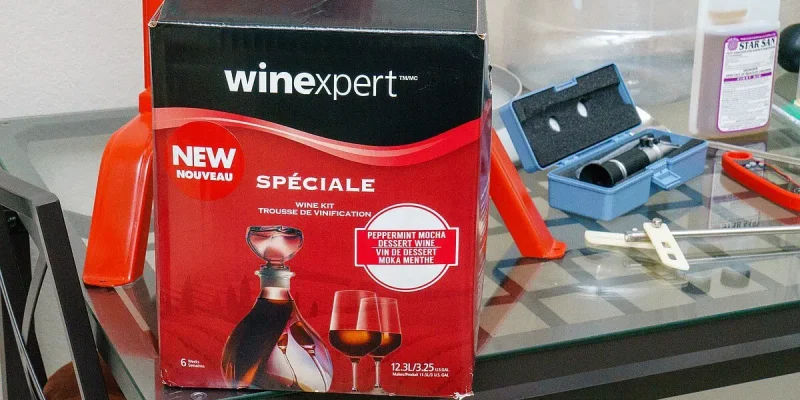
- Winexpert – Wide variety, beginner to advanced.
- Vintner’s Best – Easy-to-use kits for beginners.
- RJ Spagnols – Premium juice concentrates with authentic flavors.
- Master Vintner – Popular for specialty and seasonal wines.
- BrewDemon – Known for beginner-friendly designs.
Wine Kits vs. Traditional Winemaking
| Feature | Wine Kits | Traditional Winemaking |
| Ingredients | Pre-measured juice concentrate | Fresh grapes |
| Time | 4–8 weeks (basic kits) | 6–18 months |
| Cost | Affordable, $50–$200 per kit | Higher investment in grapes & equipment |
| Skill Level | Beginner to advanced | More advanced knowledge needed |
| Consistency | Very consistent | Dependent on harvest quality |
For beginners, wine kits offer a low-risk entry point into winemaking.
Conclusion
Wine kits provide an exciting and accessible way to enjoy the art of winemaking at home. They offer convenience, affordability, and consistent results, making them perfect for beginners while still appealing to experienced enthusiasts who want to experiment.
From robust reds to crisp whites and even specialty dessert wines, wine kits open up a world of flavor exploration. With patience, proper sanitation, and a willingness to learn, you can craft bottles of wine that rival store-bought varieties — all from the comfort of your kitchen.
FAQs
1. How long does it take to make wine from a kit?
Basic kits take 4–6 weeks, while premium kits may require 6–12 months for aging.
2. Do I need special equipment for wine kits?
Yes, you’ll need fermenters, bottles, and sanitizing tools, though some beginner kits include everything.
3. How much wine does a kit make?
Most standard kits yield 6 gallons, or about 28–30 bottles.
4. Are homemade wines from kits good quality?
Yes. Premium kits can produce wines that rival commercial bottles in taste and complexity.
5. Can I customize wine kit recipes?
Absolutely. You can add oak chips, spices, or blend varieties once you’re more experienced.
Also read: Old Spice Travel Size Deodorant: The Perfect Companion for Freshness on the Go