


Have you ever wondered why lobster blood isn’t red like ours? When most people picture blood, they think of the deep crimson that runs through human veins. But lobsters — those clawed creatures of the ocean — have something far more surprising flowing inside them: blue blood.
This striking difference isn’t just for show. There’s real chemistry and evolution behind it. In this article, we’ll explore what makes lobster blood blue, how it works, why it changes color when cooked, and what it tells us about marine life.
Understanding Lobster Blood
Before diving into the “why,” it’s important to understand what lobster blood actually is.
Lobster blood is a colorless fluid called hemolymph, which circulates through the lobster’s body. Unlike human blood, which is enclosed in veins and arteries, lobster hemolymph flows freely through open cavities. This open circulatory system helps distribute oxygen and nutrients throughout the lobster’s tissues.
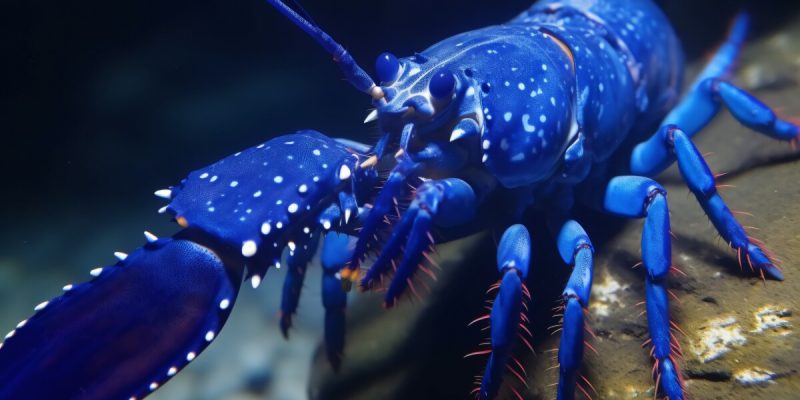
When exposed to oxygen, this otherwise clear or slightly bluish fluid becomes a vivid blue, thanks to a special molecule — hemocyanin.
The Role of Hemocyanin: The Key to Blue Blood
The secret behind lobster blood’s blue color lies in hemocyanin, a copper-based protein that functions much like hemoglobin in humans.
- Hemoglobin, found in human blood, uses iron to carry oxygen — that’s why our blood is red when oxygenated.
- Hemocyanin, found in lobsters, crabs, and other crustaceans, uses copper instead of iron.
When hemocyanin binds to oxygen, it changes color — from colorless to blue. This reaction is what gives lobster blood its distinctive hue when it comes into contact with oxygen.
Why Blue Blood Makes Sense for Lobsters
Lobsters live in cold, oxygen-poor waters where efficient oxygen transport is crucial.
Copper-based hemocyanin performs better than iron-based hemoglobin under these conditions because:
- It binds oxygen more efficiently at low temperatures.
- It works well in environments with low oxygen levels.
This makes blue blood a smart evolutionary adaptation for lobsters and other crustaceans, ensuring they can survive in their chilly, deep-sea habitats.
The Chemistry Behind the Color
So, why exactly does lobster blood turn blue?
It’s all about chemistry and light reflection.
When oxygen molecules attach to the copper ions in hemocyanin, the molecule’s structure changes, allowing it to absorb and reflect light differently. The result is a bright blue coloration — similar to how iron oxidation makes blood appear red in humans.
In essence, the color shift is a visual clue that oxygen is present in the lobster’s bloodstream.
What Happens to Lobster Blood When Cooked
If you’ve ever cooked lobster, you’ve noticed that the shell turns bright red while the meat turns white. So what happens to the blue blood?
When lobsters are cooked, hemocyanin breaks down, and the copper no longer binds with oxygen. The heat denatures (destroys) the protein, so the blue color disappears. The blood itself becomes opaque and loses its distinctive hue.
This chemical transformation is part of why cooked lobster looks so different from its live, raw state.
Comparing Lobster Blood to Human Blood
Here’s a fascinating comparison between lobster blood and human blood:
| Feature | Human Blood | Lobster Blood |
| Oxygen Carrier | Hemoglobin (iron-based) | Hemocyanin (copper-based) |
| Color | Red (oxygenated) | Blue (oxygenated) |
| Circulatory System | Closed (veins & arteries) | Open (hemolymph flows freely) |
| Efficiency | Works best in oxygen-rich, warm environments | Works best in cold, oxygen-poor environments |
This simple table shows just how differently evolution has solved the same problem — transporting oxygen — in two species that live in completely different environments.
The Function of Lobster Blood Beyond Oxygen Transport
While lobster blood is primarily known for carrying oxygen, it does more than that.
Hemolymph also:
- Helps maintain internal pressure and body structure.
- Plays a role in immune defense — containing specialized cells that fight infection.
- Aids in wound healing and tissue regeneration.
In fact, researchers have discovered that lobster hemolymph contains antimicrobial properties, meaning it helps the animal resist bacterial infections in the ocean’s harsh conditions.
The Myth: Do Lobsters Have Blue Meat?
Some people mistakenly believe that because lobster blood is blue, their meat or flesh must also have a bluish tint.
This isn’t true. Lobster meat is translucent when raw and white when cooked. The blue color is limited to the hemolymph (the blood-equivalent fluid), not the muscle tissue.
The confusion probably comes from seeing bluish fluid when a lobster is cut before cooking — that’s simply the lobster blood, not the meat.
Other Creatures with Blue Blood
Lobsters aren’t alone. Other sea creatures also have blue blood due to hemocyanin, including:
- Crabs (especially horseshoe crabs)
- Shrimp
- Octopuses
- Squids
Interestingly, horseshoe crab blood is so sensitive to bacteria that it’s used in medical testing to ensure vaccines and implants are free from contamination. This highlights how lobster blood and similar fluids have inspired scientific advancements.
What Scientists Learn from Lobster Blood
Marine biologists and biochemists study lobster blood to understand how crustaceans adapt to extreme environments.
By examining the structure and behavior of hemocyanin, scientists have discovered clues about:
- Protein stability in low temperatures.
- Evolutionary links between crustaceans and other invertebrates.
- How oxygen transport systems evolve differently across species.
There’s even ongoing research into whether compounds found in lobster blood could have antimicrobial or medical applications for humans.
Conclusion
The blue color of lobster blood is more than a fun fact — it’s a masterpiece of natural engineering.
By evolving a copper-based oxygen transport system, lobsters have adapted perfectly to their cold, low-oxygen marine environments. The molecule hemocyanin gives their blood its striking blue hue, performs better in the depths of the ocean, and even provides immune defense benefits.
So, the next time you see a lobster, remember: beneath that hard red shell lies a remarkable blue world — one that reveals the incredible diversity of life and chemistry beneath the sea.
FAQs
1. What color is lobster blood?
Lobster blood is blue when oxygenated and colorless when not. The blue color comes from hemocyanin, a copper-based protein.
2. Why do lobsters have blue blood instead of red?
Because lobsters use copper (hemocyanin) to carry oxygen instead of iron (hemoglobin), their blood turns blue when it binds to oxygen.
3. Does lobster blood change color when cooked?
Yes. When lobsters are cooked, heat denatures the hemocyanin protein, and the blue color disappears, leaving the blood opaque and colorless.
4. Is lobster blood safe to eat?
Yes, lobster blood is safe to eat when the lobster is properly cooked. However, raw lobster should never be consumed because it can carry bacteria or parasites.
5. Do all lobsters have blue blood?
Yes. All lobster species have blue blood due to the presence of hemocyanin. However, the shade can vary slightly depending on oxygen levels and environmental conditions.
Also read: Christmas Tree with Sprays – Elegant, Full & Festive Holiday Décor 2025