


The term “track length” may sound simple, but it has different meanings depending on the context. From a runner’s lane in athletics to the total distance of a Formula 1 circuit, or even the duration of a music track, track length is a key measurement across multiple industries.
This article explores what track length means, how it is measured, and why it matters in fields such as sports, racing, transportation, and music.
What Does Track Length Mean?
At its core, track length refers to the measurement of a path, circuit, or recording. Its definition changes depending on industry:
- Athletics: The perimeter of a running track.
- Motorsports: The total distance of a racing circuit.
- Railways: The total span of railway lines.
- Music: The duration of an audio recording.
Track Length in Athletics
Standard Running Tracks
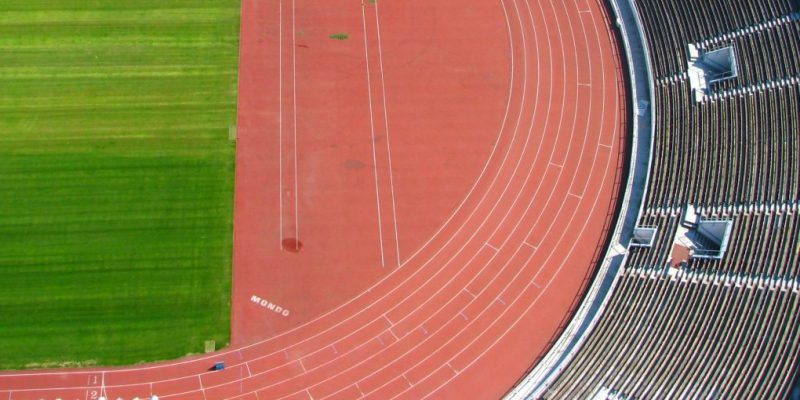
- Most Olympic and professional tracks are 400 meters in length (one lap in the inside lane).
- Used for events like the 100m, 200m, 400m, and relay races.
Indoor Tracks
- Typically 200 meters per lap.
- Steeper curves compared to outdoor tracks.
Why Track Length Matters in Athletics
- Ensures fair competition across different venues.
- Provides consistent training environments.
- Affects race strategies, especially in long-distance events.
Track Length in Motorsports
In racing, track length defines the circuit distance per lap.
Formula 1
- Average track length: 3–7 km per lap.
- Shortest F1 circuit: Monaco Grand Prix (3.34 km).
- Longest F1 circuit: Spa-Francorchamps, Belgium (7.004 km).
NASCAR & Oval Tracks
- Typically 0.5 miles (short tracks) to 2.66 miles (superspeedways).
- Example: Daytona International Speedway is 2.5 miles per lap.
Why It Matters
- Influences lap counts and total race distance.
- Impacts pit stop strategies and car setups.
- Adds to the spectacle and challenge of the sport.
Track Length in Railways
In railway terminology, track length refers to the total span of track lines in a network.
- U.S. Railroads: Over 140,000 miles of track length.
- Indian Railways: More than 68,000 km of route track length.
- High-Speed Rail: Requires specific track lengths for safe acceleration and braking.
Importance in Railways
- Affects transport capacity.
- Determines maintenance requirements.
- Helps in planning logistics and expansion projects.
Track Length in Music
In the world of audio, track length refers to the duration of a recorded song or sound.
- Average pop song: 3–4 minutes.
- Classical compositions: Can range from a few minutes to over an hour.
- Streaming platforms display track length for user convenience.
Why Track Length Matters in Music
- Impacts radio play and streaming algorithms.
- Affects listener attention span.
- Shorter tracks are increasingly popular due to TikTok and social media trends.
How to Measure Track Length
Athletics
- Measured using a calibrated surveyor’s wheel along the inside lane.
Racing Circuits
- Measured along the racing line (the fastest route around the track).
Railways
- Measured in kilometers or miles, including sidings and double-track lines.
Music
- Measured in minutes and seconds, based on digital or analog playback.
Factors Affecting Track Length
- Design Constraints: Space limitations in stadiums or cities.
- Purpose: Sprint training vs. endurance racing.
- Technology: Recording formats in music (vinyl vs. digital).
- Safety Regulations: Governing bodies set minimum/maximum lengths.
Comparisons of Track Lengths
| Context | Typical Length | Example |
| Athletics | 400m (outdoor) | Olympic standard track |
| F1 Racing | 3–7 km per lap | Spa-Francorchamps (7 km) |
| NASCAR | 0.5–2.66 miles | Daytona Speedway (2.5 mi) |
| Railways | 68,000+ km (India) | National railway networks |
| Music | 3–4 minutes average | Pop tracks on Spotify |
Conclusion
The term track length may differ across industries, but it always represents an essential measurement. From the 400m athletic oval to the 7 km F1 circuits, the miles of railway networks, and even the minutes of your favorite song, track length shapes performance, logistics, and experience.
Understanding track length helps athletes, engineers, musicians, and fans alike appreciate the precision and importance of measurement in daily life.
FAQs
1. What is the standard running track length?
Outdoor tracks are usually 400 meters, while indoor tracks are 200 meters.
2. What is the longest F1 track?
The Spa-Francorchamps Circuit in Belgium, at 7.004 km per lap.
3. What does track length mean in music?
It refers to the duration of a recorded audio track, usually measured in minutes and seconds.
4. How is railway track length calculated?
It’s the total distance of rail lines, including multiple tracks and sidings.
5. Why does track length vary in racing?
Different circuits are designed for unique challenges, strategies, and spectator experiences.
Also read: Bookkeeping Launch: Start Your Bookkeeping Career the Right Way