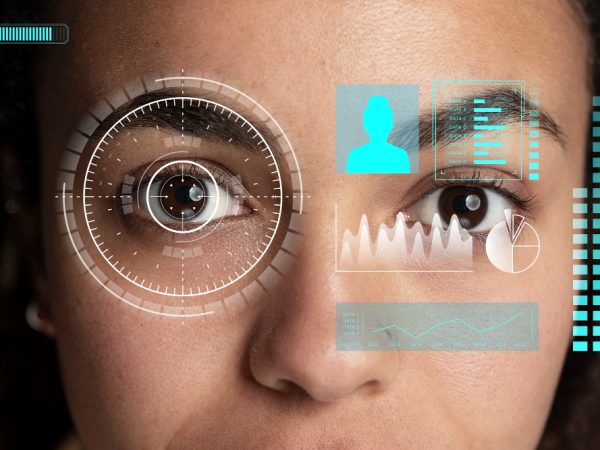




Artificial Intelligence (AI) is no longer a futuristic concept—it’s an integral part of modern life. From social media algorithms to online shopping recommendations, AI constantly interacts with human choices and emotions. The concept of “Temptations AI” describes how intelligent systems influence, persuade, and even manipulate human behavior. This influence is subtle yet powerful, shaping how we think, act, and make decisions in our daily lives.
This article explores how AI tempts human psychology through personalization, predictive design, and emotional engagement. It also examines the ethical concerns surrounding AI’s growing ability to understand and exploit human desires.
Understanding Temptations AI
“Temptations AI” refers to artificial intelligence systems designed to influence or manipulate human behavior—often to encourage engagement, consumption, or loyalty. These systems learn from user data to predict preferences, habits, and emotional triggers.
From targeted ads that follow users across websites to streaming platforms that autoplay the next episode, AI uses behavioral science to create irresistible digital experiences. The goal is simple: to keep people engaged for as long as possible while encouraging specific actions, such as making purchases or sharing content.
Temptations AI is not inherently bad—it powers convenience and personalization. However, when overused or misused, it can exploit psychological vulnerabilities, making it difficult for users to make independent or rational decisions.
The Psychology Behind AI Influence
To understand how AI influences behavior, we must first understand human psychology. Humans are naturally drawn to pleasure, novelty, and convenience. AI systems exploit these instincts through reinforcement learning models.
For example, social media platforms use dopamine-driven feedback loops—notifications, likes, and rewards—to keep users scrolling. Streaming services use recommendation engines that suggest shows based on previous behavior, giving users instant gratification.
Over time, these interactions train the brain to seek more engagement, creating habits that resemble digital addiction. AI doesn’t force behavior—it nudges it, using insights from psychology and neuroscience to make the experience irresistible.
Personalization: The Sweet Spot of Temptation
Personalization is one of AI’s most appealing and dangerous tools. Every click, scroll, and search provides data that helps algorithms predict what users want next.
When you browse online stores, AI learns your tastes and shows you products you’re more likely to buy. When you listen to music or watch videos, recommendation systems tailor suggestions to your mood and history.
This personalization feels helpful, but it also reduces exposure to diverse ideas or options. It creates “filter bubbles”, where individuals are surrounded only by content that reinforces their preferences or beliefs. In essence, AI not only serves what people want—it shapes what they think they want.
The Role of AI in Social Media Temptation
Social media platforms are prime examples of how AI influences behavior on a massive scale. Algorithms track engagement to determine what content users see first.
AI prioritizes emotionally charged posts—those that provoke anger, excitement, or curiosity—because such content keeps people online longer. As a result, users are subtly manipulated into engaging more, even if it means consuming polarizing or addictive material.
Notifications, tags, and messages act as constant triggers for attention. These small digital temptations rewire the brain’s reward system, creating dependency on external validation.
The effect is clear: AI systems are not neutral—they are designed to maximize engagement, often at the cost of mental well-being and attention span.
AI in Advertising and Consumer Behavior
Marketing and advertising have been transformed by AI. Traditional advertising relied on broad demographics, but AI allows marketers to target individuals based on behavior, emotion, and timing.
For instance, AI analyzes browsing patterns, purchase history, and even facial expressions (through emotion recognition tools) to deliver hyper-targeted ads. These ads appear when users are most likely to buy, sometimes triggered by emotional states like boredom or stress.
This creates what experts call “predictive consumerism”—where AI predicts and influences purchases before users consciously decide to make them. The line between suggestion and manipulation becomes increasingly blurred.
AI Companions and Emotional Manipulation
AI is not only changing what we buy or watch—it’s influencing how we feel. Virtual assistants, chatbots, and AI companions are designed to sound empathetic, supportive, and emotionally intelligent.
These systems use natural language processing to simulate understanding, offering comfort or companionship. While this technology can be therapeutic for some users, it also raises ethical concerns about emotional dependency and manipulation.
For example, AI dating apps and virtual companions can create an illusion of connection that satisfies emotional needs without genuine human interaction. As AI becomes more lifelike, distinguishing real emotion from programmed response becomes increasingly difficult.
The Subtle Power of Predictive Design
Predictive design is another aspect of Temptations AI that shapes user behavior invisibly. Apps and platforms anticipate what users want and adjust interfaces accordingly.
For instance, your phone may suggest replying to a message, your map app may predict your destination, or your online store may automatically refill your shopping cart. While these features increase convenience, they also remove moments of conscious choice.
This subtle automation creates a passive user experience—where people act according to AI’s suggestions without realizing it. Over time, users begin to rely on AI-driven guidance for decision-making, reducing their sense of autonomy.
Ethical Concerns of Behavioral Influence
The growing influence of AI on human behavior raises critical ethical questions. How much control should AI have over human choices? When does assistance become manipulation?
The core issue lies in intent and transparency. If AI systems influence behavior for profit without user consent or understanding, they cross into manipulation. Algorithms designed to maximize engagement may encourage harmful behaviors—such as overspending, misinformation, or screen addiction.
Developers, policymakers, and ethicists are now calling for “ethical AI design”, which emphasizes transparency, user consent, and mental well-being. The goal is to ensure that technology serves human values, not exploits them.
Balancing AI Benefits and Human Autonomy
AI has many benefits—efficiency, personalization, and convenience. The challenge lies in maintaining a balance between automation and autonomy.
Users can take proactive steps to regain control, such as setting screen time limits, turning off non-essential notifications, or using privacy tools. Governments and organizations are also implementing data protection laws and algorithmic transparency policies.
Meanwhile, AI developers are encouraged to create “human-centered design”—systems that enhance decision-making rather than replacing it. The future of AI should empower humans to make informed choices, not tempt them into automatic ones.
The Future of Temptations AI
The future of AI will continue to explore human emotion and cognition. Advances in affective computing—AI that reads and responds to emotional cues—will make systems even more persuasive.
Imagine smart devices that know when you’re sad and suggest comfort products, or virtual assistants that adapt their tone to influence your mood. While this can enhance user experience, it also deepens the potential for manipulation.
To navigate this future responsibly, society must prioritize AI literacy—educating people on how algorithms work and how they influence daily behavior. Only by understanding these systems can individuals resist unwanted temptation and maintain control over their digital lives.
Conclusion
Artificial Intelligence is no longer just a tool—it’s an active participant in shaping human thought and behavior. Through personalization, predictive design, and emotional intelligence, AI has learned how to tap into human desires and habits with remarkable precision.
Temptations AI represents both the power and peril of modern technology. On one hand, it offers efficiency and personalization that make life easier; on the other, it challenges autonomy and ethics. The key to using AI responsibly lies in awareness and balance.
By understanding how AI influences behavior, individuals can make conscious decisions rather than reactive ones. As society continues to integrate AI deeper into everyday life, we must ensure that technology enhances human potential—not exploits it.
FAQs
1. What is Temptations AI?
Temptations AI refers to artificial intelligence systems designed to influence or manipulate human behavior through personalization, prediction, and emotional engagement.
2. How does AI influence human behavior?
AI uses data, algorithms, and behavioral psychology to predict and guide human decisions, from what we buy to how long we spend online.
3. Why is AI considered persuasive or tempting?
AI systems are optimized to increase engagement, often by triggering emotional responses or offering personalized content that users find hard to resist.
4. Is Temptations AI dangerous?
It can be if used unethically. When AI exploits emotional vulnerabilities or manipulates decisions without user awareness, it can lead to addiction, misinformation, or loss of autonomy.
5. How can people protect themselves from AI influence?
By being aware of algorithmic design, setting digital boundaries, using privacy tools, and engaging critically with online platforms, users can regain control over their digital habits.
Also read: Splacer | Book Unique Event Spaces & Venues Instantly