



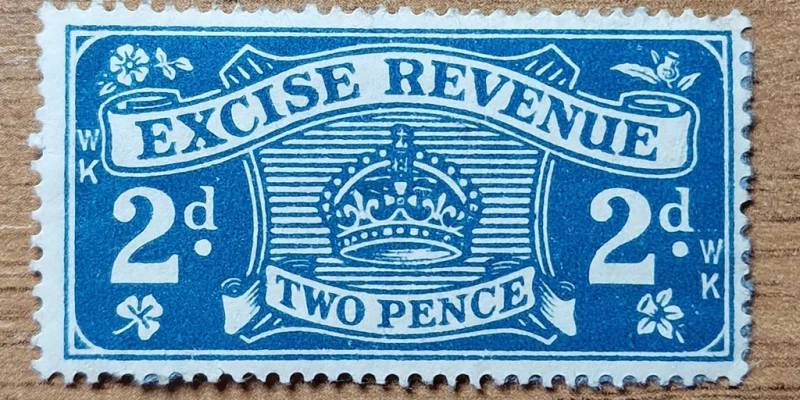
From historical tax systems to modern-day collectibles, stamp revenue has played a pivotal role in shaping governments and economies. In this article, we explore what stamp revenue is, its origins, types, and its relevance in today’s world—both as a financial instrument and a collectible item.
What Is Stamp Revenue?
Stamp revenue refers to money collected by governments through the sale of revenue stamps. These are adhesive labels affixed to legal documents, products, or services to indicate that a tax or fee has been paid.
Definition:
Stamp revenue is the income generated from taxes or fees using officially issued revenue stamps, typically used for documentation, licensing, or products subject to excise duty.
It differs from postage stamps, which are used to pay for the delivery of mail.
History of Revenue Stamps
The concept of stamp revenue dates back centuries. One of the earliest uses occurred in the 17th century in the Netherlands, and it became widespread during British colonial rule.
Notable historical facts:
- Stamp Act of 1765: Britain imposed stamp taxes on American colonies, sparking protest and revolution.
- Colonial India & Africa: Revenue stamps were used extensively for court fees, contracts, and licenses.
- Modern era: Many countries phased out physical stamps in favor of digital or printed receipts.
Common Uses of Revenue Stamps
Revenue stamps were used to collect duties, taxes, and fees in areas like:
| Category | Examples |
| Legal Documents | Contracts, court documents, wills |
| Licensing | Business permits, liquor licenses |
| Products | Cigarettes, alcohol, medicines |
| Banking | Checks, promissory notes, bonds |
| Transportation | Vehicle registration, tolls |
In essence, they served as proof of payment for government-imposed charges.
Types of Revenue Stamps
Here are the most common types of revenue stamps used historically and today:
- Judicial Stamps – For court-related filings
- Excise Stamps – Used on tobacco, liquor, or other excise-taxed goods
- Fiscal Stamps – General-purpose stamps for taxes
- Proprietary Stamps – Used by businesses for branding or compliance
- Documentary Stamps – For deeds, mortgages, and real estate transactions
Each type contributed to stamp revenue collection for specific government departments.
Importance of Stamp Revenue in Government Finance
Stamp revenue has historically played a crucial role in generating non-tax revenue for governments. It was often:
- Reliable: Easy to administer and enforce
- Transparent: Clear visual proof of payment
- Broad-based: Applied across many economic sectors
In developing countries, stamp revenue still represents an important income stream due to limited digital infrastructure.
Stamp Revenue in Philately
Today, revenue stamps are valuable collectibles in the philatelic world. Collectors focus on:
- Rarity
- Condition
- Historical value
- Errors and overprints
For example, revenue stamps from British India, early U.S. issues, and colonial Africa fetch high prices at auctions. These stamps offer a unique window into the political, legal, and economic systems of their time.
Digitalization and the Decline of Stamp Revenue
In many countries, revenue stamps have been replaced by:
- Digital payment portals
- Barcode or QR code receipts
- E-stamping platforms (e.g., India’s SHCIL system)
While this improves efficiency and reduces fraud, it also diminishes the visibility of this revenue stream in public life.
Conclusion
Stamp revenue may no longer dominate modern taxation systems, but its legacy endures. Whether viewed through the lens of finance, history, or philately, revenue stamps represent a fascinating intersection of public policy and practical enforcement. From colonial courts to contemporary collectors, stamp revenue continues to tell the story of how societies managed money, power, and governance.
FAQs
1. What is stamp revenue used for?
Stamp revenue is collected through the sale of revenue stamps to pay for taxes, licenses, or legal documentation.
2. What is the difference between postage stamps and revenue stamps?
Postage stamps pay for mail delivery, while revenue stamps signify tax or fee payments for documents and goods.
3. Are revenue stamps still used today?
Yes, in some countries—especially developing nations—but many have transitioned to digital systems.
4. Are old revenue stamps valuable to collectors?
Yes, certain rare or historical revenue stamps can be highly collectible and valuable in philatelic markets.
5. How can I identify a revenue stamp?
Look for markings like “REVENUE,” “JUDICIAL,” or specific tax-related phrases. Unlike postage stamps, they’re not tied to mail.
Also read: Skill Based Training: The Key to Building a Future-Ready Workforce