


A Sportswear Photoshoot isn’t just about snapping images of fitness gear—it’s about capturing energy, movement, and motivation in a single frame. In the era of fitness influencers, activewear brands, and Instagram-worthy campaigns, looking powerful, sleek, and athletic is key. Whether you’re shooting for a personal brand, a fashion portfolio, or a commercial gig, getting jaw-dropping results takes more than just good gear.
From lighting hacks and creative locations to posing techniques and styling tricks, this guide will equip you with everything you need to make your Sportswear Photoshoot a standout success.
Sportswear Photoshoot: Plan Your Concept with Precision
Before even picking up the camera, clarity is essential. Think about what you want to convey—strength, grace, determination, or performance? The theme should align with the brand or personal style you’re promoting. Mood boards are a great tool for this stage. Collect images that inspire the shoot and use them as a visual reference throughout.
Your concept will guide wardrobe choices, poses, lighting style, and even editing. Whether you’re aiming for a gritty urban feel or a crisp, high-performance aesthetic, precise planning is the secret weapon of every great photographer.
Sportswear Photoshoot: Choose the Right Location for Impact
The location can make or break the visual narrative. For a raw, rugged look, think concrete structures, gyms, and urban staircases. For a natural and refreshing vibe, go with parks, beaches, or forest trails.
Avoid crowded spaces where foot traffic might interrupt your rhythm. And always consider natural lighting conditions at your location of choice. Sunrise and sunset, known as golden hours, are ideal for soft, flattering light that enhances definition and tones.
Sportswear Photoshoot: Master the Lighting to Sculpt the Athlete
Great lighting shapes the subject’s physique and sets the tone. In studio settings, use rim lighting to accentuate muscle tone. This involves placing lights behind or beside the subject to highlight edges and create visual drama.
Natural light outdoors can be just as effective when used strategically. Use reflectors to fill shadows and diffusers to soften harsh sunlight. Understanding the play between light and shadow is critical when photographing athletic apparel and movement.
Sportswear Photoshoot: Select Outfits That Complement the Action
Outfits should not only look good—they should support movement and emphasize athleticism. Choose clothes that flatter the model’s body type and are appropriate for the activity being portrayed. High-contrast colors can pop against neutral backgrounds, while matte textures photograph better than glossy materials that reflect light unpredictably.
Multiple outfit changes can add variety and make the shoot feel like a collection instead of a one-note series. And don’t overlook footwear—trainers and running shoes should be clean and coordinated.
Sportswear Photoshoot: Emphasize Movement for Authenticity
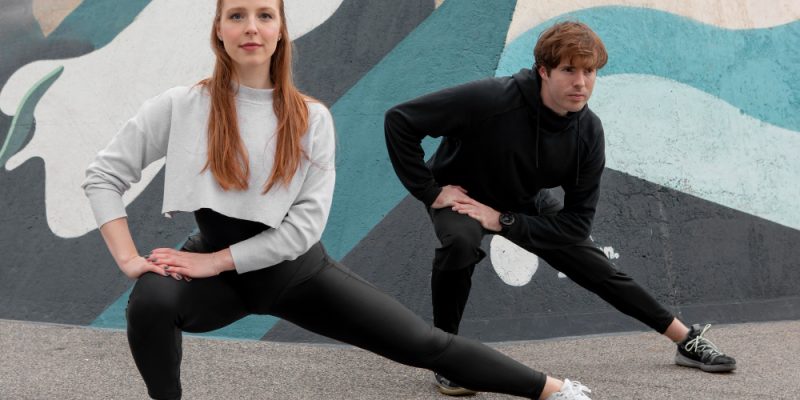
Stillness is the enemy of athletic photography. Incorporate dynamic movements such as jumps, stretches, lunges, or sprinting poses to create energy and realism. Use high shutter speeds to freeze motion or blur it creatively to show action.
Encourage models to genuinely engage in the activity being captured—this eliminates stiffness and results in natural expressions and posture. Authenticity always beats forced poses in sportswear visuals.
Sportswear Photoshoot: Use Props and Gear to Enhance the Scene
Dumbbells, resistance bands, yoga mats, or even water bottles can be subtle additions that reinforce the fitness theme. Props add context and depth to your composition while helping models interact naturally with their environment.
Use these tools wisely; they should support the story, not distract from it. A barbell on the shoulder or a jump rope mid-swing adds that powerful, action-packed flair that static shots often lack.
Sportswear Photoshoot: Direct with Confidence and Positivity
A great photoshoot depends on great communication. Models, whether beginners or pros, thrive under clear, encouraging direction. Be specific but positive: instead of “Don’t hunch,” say “Lift your chest and engage your core.”
Show them sample poses or mirror the movement yourself. Keep the energy high with music or by celebrating the shots that work well. When the model feels confident, it radiates through every image.
Sportswear Photoshoot: Capture Close-Ups and Textures
While full-body action shots are important, don’t ignore the details. Close-ups of fabrics, stitching, brand logos, or tight muscle shots add variety and professional polish to the final collection.
Zoom in on facial expressions, hands gripping equipment, or sneakers mid-stride. These elements tell a deeper story and are often used in marketing materials for emphasis.
Sportswear Photoshoot: Edit for Mood, Not Perfection
Post-processing is where your vision truly comes alive. Rather than over-editing skin or forcing artificial colors, focus on enhancing contrast, sharpness, and clarity to bring out muscle tone and fabric details.
Warm tones convey motivation and grit; cool tones communicate focus and minimalism. Stick with a consistent editing style for brand alignment, and always preserve skin texture to maintain authenticity.
Sportswear Photoshoot: Evaluate and Reflect for Improvement
Once the shoot wraps up, the real growth happens. Review your images critically and note what worked and what didn’t. Did your lighting achieve the desired impact? Were the poses varied and natural? Was the wardrobe effective under the lighting?
Feedback from the model or client can also offer valuable insight. Every shoot is a chance to evolve, refine your technique, and push creative boundaries for even more compelling visuals next time.
Conclusion
Nailing a Sportswear Photoshoot requires more than a high-end camera and a good location. It’s a strategic blend of creative vision, technical skill, and real-time adaptability. From concept to editing, every detail matters—how you light the frame, how the model moves, what they wear, and how you bring it all together in post-production.
Whether you’re shooting for a brand, building a fitness portfolio, or simply exploring a new niche in photography, following these ten stunning tips will elevate your next Sportswear Photoshoot into a powerful and unforgettable series.
FAQs
Q1. What kind of camera settings work best for active photoshoots?
Fast shutter speeds (1/1000s or higher) are ideal to freeze motion. Combine with a wide aperture for a blurred background and high ISO if shooting in low light.
Q2. Should I shoot in RAW or JPEG?
RAW format is recommended because it preserves more image data, allowing for better editing flexibility later.
Q3. How do I keep the model looking natural during action shots?
Encourage them to perform real movements and provide positive feedback. Candid moments often look more authentic than posed ones.
Q4. What’s the best time of day for outdoor fitness shoots?
Golden hours—shortly after sunrise or before sunset—offer soft, flattering light and long shadows that add depth.
Q5. How long should a typical session last?
Most sessions run 1–2 hours. Plan for short breaks, especially if you’re doing physically intense movements or multiple outfit changes.
Also read: Ninh Binh from Hanoi: 10 Scenic Spots for Stunning Photos