


Looking for a low-maintenance passive income stream? Investing in ATMs is a proven, cash-based opportunity that can generate monthly revenue with relatively little overhead. Whether you’re a small business owner, real estate investor, or side hustler, owning ATMs can provide a steady income, tax benefits, and portfolio diversification.
In this guide, we’ll break down how ATM investments work, potential returns, startup costs, risks, and tips to succeed in the ATM business in 2024 and beyond.
What Does Investing in ATMs Mean?
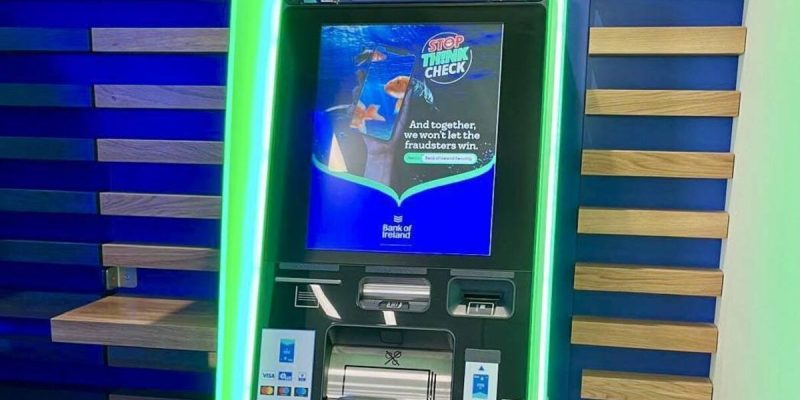
When you invest in an ATM, you are purchasing the machine and placing it in a high-traffic location (e.g., gas stations, retail stores, bars). You earn money every time someone uses the ATM, typically by collecting a surcharge fee ($2.00–$3.50) per transaction.
Here’s How It Works:
- Buy the ATM (new or used)
- Place it in a busy location
- Load it with cash regularly (or hire a cash loading service)
- Earn a fee per withdrawal
- Track performance via online software
How Much Can You Make?
| Example Scenario | Est. Monthly Profit |
| 300 transactions/month @ $2.75 fee | $825 gross income |
| After expenses (~25%) | ~$600 net monthly income |
| ROI on a $3,000 ATM | ~6 months |
Pro Tip: Placing multiple machines compounds your return, making this a scalable business.
ATM Investment Costs
| Item | Estimated Cost |
| New ATM machine | $2,500 – $3,500 |
| Used ATM | $1,200 – $2,000 |
| Installation & setup | $150 – $300 |
| Wireless modem & service | $15 – $30/month |
| Vault cash (recyclable) | $2,000+ |
| ATM processing fees | $0.10–$0.30 per transaction |
Many ATM owners recoup their initial investment within 6 to 12 months, depending on the location’s traffic.
Best Locations for ATM Placement
To maximize ROI, choose high-traffic, cash-friendly locations:
- Gas stations and convenience stores
- Bars and nightclubs
- Cash-only restaurants or dispensaries
- Colleges or universities
- Events, flea markets, festivals
- Apartment buildings (for rent payment access)
Location is everything. Even the best machine won’t perform well in a low-traffic area.
Pros and Cons of ATM Investing
Pros:
- Passive income after setup
- Low maintenance business
- Tax benefits through depreciation
- Scalable with minimal staff
- Demand for cash still exists, especially in certain industries
Cons:
- Cash handling risk or theft
- Need to maintain cash flow and loading schedule
- Technical malfunctions or EMV compliance issues
- Location agreements may vary by property owner
Is ATM Investing Safe?
Yes—if done properly. Follow these steps to ensure a secure investment:
- Buy from reputable ATM suppliers (e.g., Hyosung, Genmega, Triton)
- Use a secure processor (for ATM transactions and reporting)
- Ensure EMV compliance (chip reader required)
- Insure your machine (against theft, vandalism, or loss)
- Maintain clear contracts with host locations
Choosing the Right ATM Investment Model
| Model | What You Do |
| Direct Ownership | Buy, place, and manage your own ATMs |
| Franchise or Partnership | Split profits with a management company |
| Turnkey Packages | Vendor handles setup and management for a fee |
Direct ownership has the highest potential return, while turnkey options are more hands-off but may cost more upfront.
SEO Keyword Strategy
| Keyword | Placement |
| Investing in ATMs | Title, meta, H1, intro, benefits |
| ATM investment | Body content, pros and cons, ROI |
| ATM passive income | Income potential section, FAQs |
| Own an ATM | Business model, how-to steps |
| How to invest in ATMs | Step-by-step guide, intro |
Internal linking ideas:
- “Best passive income ideas for 2024”
- “ATM vs vending machine business”
- “How to write a location agreement for your ATM”
Conclusion
Investing in ATMs is a smart, scalable, and relatively low-risk way to earn passive income in 2024. With the right location and machine setup, you can start generating income within weeks—and expand into multiple units for even greater returns.
Whether you want to own one ATM as a side hustle or build a portfolio of machines, this business model offers real-world cash flow with minimal management.
FAQs
1. Is investing in ATMs profitable?
Yes. With good placement and minimal overhead, most ATM owners see 20%–30% ROI annually, sometimes more.
2. Do I need a license to operate an ATM?
No license is required in most countries, but you should register with FinCEN (in the U.S.) and comply with anti-money laundering rules.
3. Can I invest in ATMs without managing them myself?
Yes, many companies offer turnkey solutions that handle everything for a fee or revenue share.
4. How much does it cost to buy an ATM?
A new ATM costs $2,500–$3,500, while used machines can be found for under $2,000.
5. How do I find ATM processing services?
Look for reputable ATM processors like NationalLink, Switch Commerce, or CDS—many ATM resellers include this in packages.
Also read: Jobs with Benefits: Best Careers That Offer Great Perks in 2024