


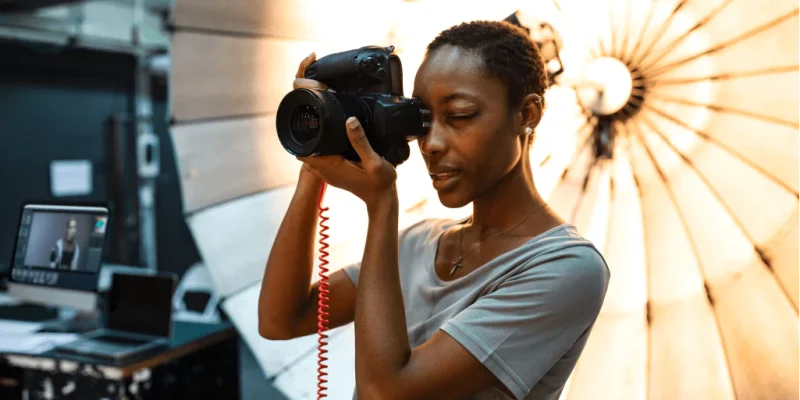
If you love capturing moments, creating visual stories, and have a good eye for composition, you may be wondering how to start a photography business. Whether you want to shoot weddings, portraits, products, or real estate, a photography business can be both creatively fulfilling and financially rewarding.
This step-by-step guide walks you through everything from planning and legal setup to marketing and finding your first clients—so you can turn your camera into a profitable business.
Step 1: Define Your Niche and Services
Before you dive in, clarify what type of photography you’ll specialize in.
Popular Photography Niches:
- Wedding & event photography
- Portraits (family, senior, maternity)
- Real estate photography
- Product & eCommerce
- Lifestyle & branding
- Fashion/editorial
- Pet photography
- Sports or action shots
Pro Tip: Focus on a niche to attract the right clients and stand out in a crowded market.
Step 2: Create a Photography Business Plan
A solid photography business plan will help you stay focused and organized.
Key Elements:
- Business name and mission
- Target market and niche
- Service offerings and pricing
- Marketing strategy
- Startup costs and budget
- Revenue goals
- Equipment list
Use free business plan templates or tools like LivePlan to build your plan.
Step 3: Handle Legal Requirements
Choose a Business Structure
- Sole Proprietorship (easy to set up)
- LLC (adds liability protection)
- Partnership (if you’re working with another photographer)
Register Your Business
- File a business name (DBA)
- Register with your state
- Get an EIN (for taxes)
Insurance and Contracts
- Get liability insurance
- Create contracts for client protection (e.g., model release, usage rights, booking agreement)
Don’t skip legal setup—it protects you from costly mistakes down the line.
Step 4: Invest in the Right Photography Gear
Must-Have Gear to Start:
- DSLR or mirrorless camera (Canon, Sony, Nikon)
- Lenses (wide-angle, portrait, zoom depending on niche)
- Tripod
- Lighting kit (softbox or reflectors)
- Memory cards, batteries, and backups
- Editing software (Lightroom, Photoshop)
Start lean—invest in quality over quantity and scale as your business grows.
Step 5: Build an Online Presence
Create a Website
- Use platforms like Squarespace, Wix, or WordPress
- Showcase your portfolio by niche
- Add contact forms, pricing, testimonials, and FAQs
- Optimize your site for SEO using keywords like “photographer near me” + niche
Start Social Media Accounts
- Instagram (visual storytelling)
- Facebook (local marketing, events)
- Pinterest (lifestyle and wedding inspiration)
- LinkedIn (for B2B and corporate headshots)
Step 6: Set Your Pricing Strategy
Research competitors in your area and consider:
- Hourly rate vs package pricing
- Digital vs print delivery
- Editing time and travel costs
- Value of your experience and equipment
Sample Price Ranges:
- Portrait sessions: $150–$500
- Weddings: $1,000–$5,000+
- Product photography: $25–$100 per image
Don’t underprice—value your time, skill, and overhead costs.
Step 7: Market Your Photography Business
Free and Paid Marketing Ideas:
- Google Business Profile setup
- SEO blog content (e.g., “Best locations for family photos in [City]”)
- Email newsletter with seasonal offers
- Facebook/Instagram ads targeting local audiences
- Collaborations with vendors (e.g., event planners, makeup artists)
Step 8: Build a Client Pipeline
- Offer discounted or free sessions to build your portfolio
- Ask for client referrals and online reviews
- Join local business groups or vendor directories
- Partner with real estate agents, event venues, or small businesses
SEO Keyword Strategy
| Keyword | Placement |
| How to start a photography business | Title, meta, H1, throughout main guide steps |
| Photography business plan | Step 2: Planning section |
| Starting a freelance photography business | Introduction, marketing tips |
| Legal steps for photographers | Step 3: Legal setup |
| Photography pricing | Pricing strategy section |
| Gear for photography business | Equipment and startup gear section |
Internal Linking Suggestions:
- “How to market your business on Instagram as a photographer”
- “Best photography contract templates for freelancers”
- “Top SEO tips for local photographers”
- “Photography gear checklist for beginners”
Conclusion
Starting a photography business takes more than a great camera—you’ll need a plan, a niche, and a strategy to stand out. By following these steps, you can build a profitable and professional photography brand that grows with your skills and passion.
Now that you know how to start a photography business, it’s time to take action—capture your first client, market your work, and turn your lens into a career.
FAQs
1. How much does it cost to start a photography business?
Expect to spend $2,000–$5,000+ for gear, marketing, legal setup, and insurance, depending on your niche.
2. Do I need a license to start a photography business?
It depends on your location. At a minimum, you’ll likely need to register your business and may need a local business license.
3. How can I get my first photography clients?
Start by offering sessions to friends/family, networking locally, and building an online portfolio that reflects your niche.
4. Should I do photography part-time or full-time?
Many photographers begin part-time and scale as demand grows. It’s okay to start as a side hustle and go full-time later.
5. What software do photographers use for editing?
Popular choices include Adobe Lightroom, Photoshop, and Capture One.
Also read: Careers for Empaths: Best Jobs for Sensitive, Compassionate Souls