


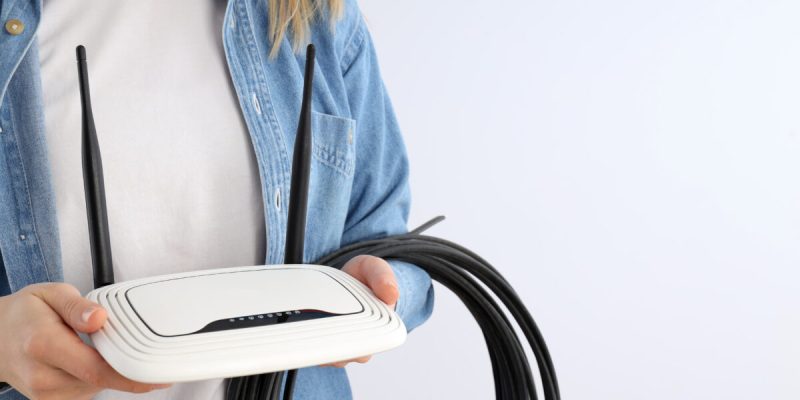
Your Wi-Fi router is the backbone of your home internet. It connects your devices to the web, enables streaming, online gaming, video calls, and keeps your smart home running. But like any electronic device, routers don’t last forever.
If you’ve ever wondered, “How long do routers last?”, the short answer is: about 3–5 years on average. However, this depends on usage, quality, and maintenance.
This guide explores everything you need to know about router lifespan — including factors that affect durability, signs of failure, maintenance practices, and when to upgrade.
Average Lifespan of a Router
Most routers last between 3 to 5 years before performance begins to decline.
Factors That Influence Router Lifespan:
- Build Quality: Higher-end routers tend to last longer than budget models.
- Usage Level: Heavy use (streaming, gaming, many connected devices) shortens lifespan.
- Heat & Environment: Overheating and dust buildup damage internal components.
- Technology Changes: Even if it still works, outdated routers may lack modern standards like Wi-Fi 6.
Signs It’s Time to Replace Your Router
How do you know when your router is on its last legs? Look out for these warning signs:
- Slow Internet Speeds
Even with a strong ISP plan, old routers can bottleneck performance.
- Frequent Disconnections
Dropping connections or requiring frequent reboots.
- Overheating
Routers that get excessively hot may be failing.
- Limited Coverage
Struggling to deliver Wi-Fi to all areas of your home.
- No Support for Modern Standards
Outdated routers may not support Wi-Fi 5 (802.11ac) or Wi-Fi 6 (802.11ax).
- Security Risks
Old routers often stop receiving firmware updates, leaving them vulnerable.
Factors That Shorten Router Lifespan
Heavy Usage
- Families with many connected devices (smartphones, TVs, smart homes) wear routers out faster.
Poor Ventilation
- Routers placed in enclosed spaces overheat and degrade quicker.
Outdated Hardware
- Using a router with old chipsets or low memory causes crashes under heavy load.
Power Surges
- Electrical fluctuations damage circuits over time.
Lack of Maintenance
- Dust, firmware neglect, and improper placement reduce longevity.
How to Extend the Life of Your Router
Good habits can help routers last closer to the 5-year mark (or beyond):
- Keep It Cool – Place routers in ventilated areas, away from heat sources.
- Clean Regularly – Dust can block airflow and trap heat.
- Update Firmware – Security patches and optimizations improve performance.
- Use a Surge Protector – Prevents damage from power fluctuations.
- Reboot Periodically – Keeps memory clear and reduces glitches.
- Don’t Overload It – Consider mesh systems if you have many devices.
Router Lifespan by Type
Not all routers are built equally. Here’s how long different categories generally last:
| Router Type | Average Lifespan | Notes |
| Budget Routers | 2–3 years | Prone to overheating, limited features. |
| Mid-Range Routers | 3–5 years | Balance of durability and performance. |
| High-End Routers | 5–7 years | Stronger processors, better heat management. |
| Mesh Wi-Fi Systems | 4–6 years | Designed for whole-home coverage, but may require earlier upgrades as tech evolves. |
Should You Replace Your Router or Modem?
Many people confuse routers and modems.
- Modem: Connect your home to your Internet Service Provider (ISP).
- Router: Distributes the internet signal to your devices.
Sometimes both are combined into a modem-router gateway. If your Wi-Fi is failing but wired internet is fine, it’s usually the router, not the modem.
Technology Advances: Why Routers Become Obsolete
Even if your old router still works, it may not support the latest speeds or features.
Key Upgrades Over the Years:
- Wi-Fi 4 (802.11n) → Introduced around 2009.
- Wi-Fi 5 (802.11ac) → Faster, improved streaming & gaming.
- Wi-Fi 6 (802.11ax) → Handles many devices better, offers longer range.
- Wi-Fi 6E → Uses new 6 GHz spectrum for even faster performance.
If your router is older than Wi-Fi 5, you’re missing out on major improvements.
How to Choose a Long-Lasting Router
When shopping for a new router, consider:
- Wi-Fi Standard: At least Wi-Fi 6 for future-proofing.
- Processor & RAM: More powerful hardware handles multiple devices better.
- Coverage Area: Ensure it matches your home size.
- Mesh Compatibility: Useful for large homes.
- Security Features: WPA3, auto-updates, built-in firewalls.
- Brand Reputation: Stick with trusted brands like Netgear, ASUS, TP-Link, Linksys.
Router Lifespan and Internet Security
Old routers are a major security risk. Without updates, they are vulnerable to:
- Hacking attempts
- Malware infections
- Data theft
Replacing routers regularly is not just about performance — it’s about protecting your digital safety.
Comparing Router Replacement Cycles
| User Type | Suggested Replacement | Why |
| Casual User | Every 4–5 years | Basic needs, light browsing. |
| Gamer / Streamer | Every 3–4 years | Requires faster speeds & stability. |
| Smart Home Owner | Every 3 years | Many devices strain older routers. |
| Business Use | Every 2–3 years | Security and uptime are critical. |
Conclusion
So, how long do routers last? On average, about 3–5 years, though high-end models can last longer with proper care. Factors like heavy usage, overheating, and outdated technology can shorten their lifespan.
To get the most out of your router: keep it cool, update firmware, clean it regularly, and use surge protection. When speeds drop, connections fail, or security updates stop, it’s time for an upgrade.
A reliable router is not just about fast Wi-Fi — it’s about smooth connectivity, online security, and future-proofing your digital life.
FAQs
1. How long does the average router last?
About 3–5 years, depending on usage and quality.
2. Can routers last 10 years?
Yes, some may still function, but they’ll likely be outdated and insecure.
3. What shortens router lifespan?
Heat, dust, power surges, and heavy device loads.
4. Do expensive routers last longer?
Generally, yes. High-end routers have better hardware and cooling systems.
5. How often should I replace my router?
Most experts recommend every 3–5 years, sooner for heavy users.
Also read: Carnivore Diet Delivered: Convenient Meal Plans for Meat-Based Living