


In an era where personalization is key, geofencing marketing allows businesses to connect with customers based on their real-world location. Whether you’re a retail store targeting foot traffic or a franchise aiming to beat local competitors, partnering with the right geofencing company can significantly boost your ROI.
But with so many providers in the market, how do you know which geofencing company is right for your business?
In this article, we’ll cover:
- What geofencing is and how it works
- Benefits of using geofencing companies
- Top geofencing companies in 2025
- How to choose the best provider for your needs
- Use cases across industries
What Is Geofencing?
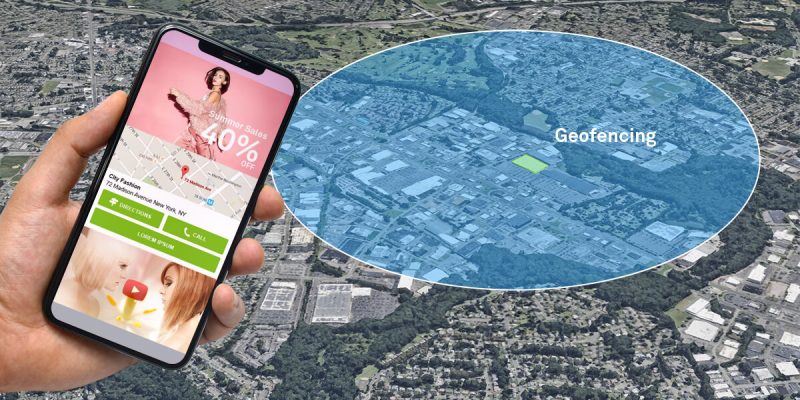
Geofencing is a location-based marketing technology that creates a virtual boundary (or “fence”) around a geographic area using GPS, Wi-Fi, RFID, or cellular data. When someone enters or exits that area, they can receive targeted ads, push notifications, or be tracked for analytics.
Example: A coffee shop can send a coupon to users who walk within 500 feet of their location during morning hours.
Why Businesses Use Geofencing Companies
Partnering with expert geofencing companies gives you access to:
- Precise location targeting
- Real-time audience engagement
- Custom campaign setup and analytics
- Integration with mobile apps, ad networks, and CRMs
- Competitive conquesting (targeting near competitor locations)
Geofencing helps businesses:
- Increase foot traffic
- Improve local campaign ROI
- Retarget walk-in customers
- Track offline conversions
Top Geofencing Companies in 2025
Here are the leading geofencing marketing providers offering top-tier tools, analytics, and support:
Propellant Media
Best For: Small to mid-sized businesses and franchises
Features:
- Mobile geofencing with custom radius targeting
- Location-based retargeting
- Addressable geofencing (target specific households)
- Google Ads and OTT integration
Pros: Transparent pricing, strong client support
Website: propellant.media
Simpli.fi
Best For: Enterprise businesses and programmatic buyers
Features:
- Granular audience targeting
- Real-time reporting
- Addressable geofencing and conversion zones
- Cross-device tracking
Pros: Advanced campaign tools, scalable for agencies
Website: simpli.fi
Reveal Mobile
Best For: Agencies, CPG brands, and location intelligence
Features:
- Location-based audience creation
- Attribution tracking
- Custom geofence creation for specific events/venues
- HIPAA-compliant for healthcare clients
Pros: Easy integration with ad platforms
Website: revealmobile.com
GroundTruth
Best For: Retail and QSR brands
Features:
- Blueprinted locations for accuracy
- Real-world behavior tracking
- In-store attribution
- Targeting by weather, demographics, and behaviors
Pros: Powerful analytics, transparent data
Website: groundtruth.com
Mobify (Salesforce Commerce Cloud)
Best For: E-commerce and omnichannel retailers
Features:
- Location-triggered push notifications
- Integration with customer journeys
- In-store vs. online behavior tracking
Pros: Seamless Salesforce integration
Website: salesforce.com
Gimbal (Now Part of InMarket)
Best For: Brands seeking real-time customer engagement
Features:
- SDK integration for mobile apps
- Audience segmentation
- Store visit attribution
- Offline-to-online targeting
Pros: Great for app developers and large brands
Website: inmarket.com
How to Choose the Best Geofencing Company
| Criteria | What to Look For |
| Coverage Area | Can they target globally, regionally, or down to ZIP codes? |
| Platform Integration | Do they work with Google, Facebook, DSPs, or your CRM? |
| Campaign Flexibility | Can you create custom shapes, set dwell times, or schedule ads? |
| Analytics & Attribution | Can they measure store visits, clicks, or ROI clearly? |
| Budget Range | Transparent pricing? Suitable for SMBs, franchises, or enterprises? |
| Customer Support | Do they offer setup help, strategy sessions, and reporting? |
Tip: Ask for case studies or demos before signing a long-term contract.
Popular Industries That Use Geofencing Companies
| Industry | Use Case Example |
| Retail | Send promotions to shoppers near a store or competitor |
| Restaurants | Offer discounts during lunch/dinner rush hours |
| Real Estate | Target attendees at open houses or real estate expos |
| Healthcare | Reach patients near urgent care or specialty clinics |
| Auto Dealerships | Retarget buyers who visited competitor lots |
| Events & Venues | Target attendees at concerts, conferences, or stadiums |
Benefits of Working with a Professional Geofencing Company
- Higher Precision: Accurate data helps target users more effectively
- Faster Campaign Launches: Experts handle setup and execution
- Deeper Insights: Attribution tracking to measure real-world impact
- Cross-Channel Integration: Connect geofencing with email, social, and PPC
- Competitive Edge: Reach your customers before competitors do
Conclusion
Choosing the right geofencing company can transform your marketing strategy—bridging the gap between digital campaigns and real-world behavior. Whether you’re looking to increase foot traffic, track offline conversions, or run hyper-targeted ads, location-based marketing provides a competitive edge in 2025.
Next steps:
- Define your goals (awareness, conversions, attribution)
- Request demos or consultations from top providers
- Launch a pilot campaign and optimize based on performance
FAQs
1. What is a geofencing company?
A geofencing company provides tools and services to create location-based virtual boundaries that trigger ads or collect user data when people enter or exit defined areas.
2. How much does geofencing marketing cost?
Campaigns typically range from $1,000 to $10,000+ per month, depending on targeting area, impressions, and platform.
3. Can I use geofencing without a mobile app?
Yes. Many geofencing companies use mobile ad networks and location data without needing a dedicated app.
4. What is the difference between GPS and Wi-Fi geofencing?
GPS geofencing is used outdoors with satellite data, while Wi-Fi geofencing provides more precision indoors using routers and beacons.
5. Is geofencing legal?
Yes, but companies must comply with data privacy laws (e.g., GDPR, CCPA) and allow users to opt in to location tracking.
Also read: Christmas Gift Giving Themes: 30+ Fun Ideas to Make Holiday Gifting Unique