



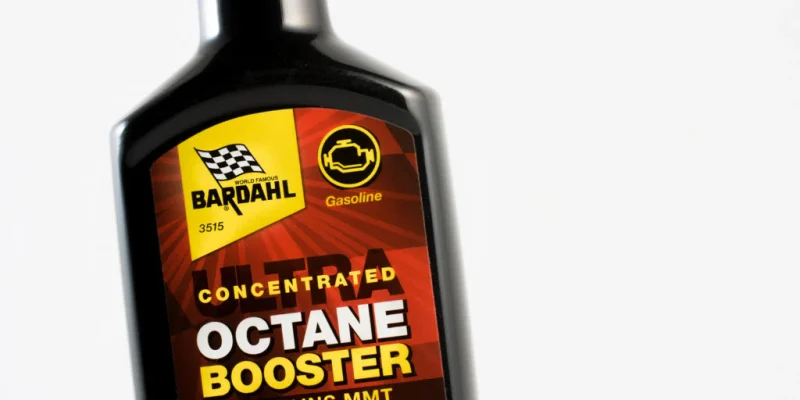
If you’re passionate about your car’s performance, you’ve probably heard of a gasoline octane booster. Whether you’re driving a high-performance sports car, a turbocharged vehicle, or simply want to maximize fuel efficiency, an octane booster can play a crucial role.
But what exactly does a gasoline octane booster do? How does it work, and when should you use it? More importantly, is it safe for your engine, and is it worth the investment?
This guide provides a deep dive into octane boosters, explaining their function, benefits, risks, and the best ways to use them for optimal results.
What is a Gasoline Octane Booster?
A gasoline octane booster is a fuel additive designed to increase the octane rating of gasoline. Octane rating refers to a fuel’s ability to resist “knocking” or “pinging” during combustion. Knocking occurs when fuel ignites prematurely in the combustion chamber, potentially causing engine damage.
By raising the octane level, octane boosters allow engines to run more efficiently and handle higher compression ratios, making them particularly beneficial for performance cars, turbocharged engines, and older vehicles prone to knocking.
How Octane Ratings Work
Gasoline is typically rated by its octane number:
- Regular fuel: 87 octane
- Mid-grade fuel: 89 octane
- Premium fuel: 91–93 octane
High-performance engines often require premium fuel to function properly. However, in some regions, only lower-octane fuel may be available. In these cases, a gasoline octane booster can help raise the octane rating to the required level.
How Gasoline Octane Boosters Work
Octane boosters contain chemicals that enhance fuel’s resistance to premature ignition. Common ingredients include:
- Methylcyclopentadienyl manganese tricarbonyl (MMT) – Raises octane but can leave deposits in some cases.
- Toluene and Xylene – Aromatic hydrocarbons that improve combustion stability.
- Ethanol or Alcohol Compounds – Increase octane while improving oxygen content.
When added to your fuel tank, these compounds mix with gasoline and improve combustion properties, reducing engine knock and improving overall performance.
Benefits of Using a Gasoline Octane Booster
Using the right octane booster offers multiple advantages:
Enhanced Engine Performance
Higher octane levels allow your engine to run at higher compression ratios, producing more power and efficiency.
Reduced Engine Knock
Pre-ignition and knocking can damage pistons, valves, and spark plugs. Octane boosters help prevent this.
Better Fuel Efficiency
Engines running on optimal octane levels burn fuel more completely, potentially improving miles per gallon (MPG).
Protection for Modified Engines
Vehicles with turbochargers, superchargers, or aftermarket modifications often require higher-octane fuel. Octane boosters provide this without relying solely on premium gas.
Improved Cold Starts and Idle
Engines running on higher-octane fuel often start more smoothly and maintain stable idling.
When Should You Use a Gasoline Octane Booster?
Not every vehicle needs an octane booster. However, it’s highly recommended in these situations:
- High-performance or luxury vehicles requiring premium fuel.
- Older engines prone to knocking or detonation.
- Tuned or modified engines with higher compression.
- Areas with limited premium fuel availability.
- Racing or track use where maximum performance is needed.
Potential Drawbacks of Octane Boosters
While octane boosters provide clear benefits, there are some potential downsides to consider:
- Not a substitute for maintenance – They won’t fix worn spark plugs, clogged injectors, or mechanical issues.
- May leave deposits – Some formulas (like MMT-based) can leave orange or brown residue on spark plugs.
- Varying effectiveness – Not all octane boosters deliver the same increase; some may only raise octane by a fraction of a point.
- Cost – Regular use can be expensive compared to simply purchasing higher-octane gasoline.
How to Use Gasoline Octane Boosters Safely
- Read Manufacturer Instructions – Each product has a recommended dosage.
- Add Before Refueling – For best mixing, pour the booster into the tank before filling with gasoline.
- Use the Right Product for Your Car – Check if your vehicle requires an octane boost or if premium fuel suffices.
- Avoid Overuse – Adding too much won’t necessarily improve performance and may harm the engine.
Top Gasoline Octane Boosters on the Market
Here are some popular and effective octane boosters:
- Royal Purple Max Boost – Increases octane by up to 3 numbers, reduces emissions.
- Lucas Oil Octane Booster – Affordable, widely available, safe for turbo and supercharged engines.
- Torco Accelerator – Popular in racing; allows users to fine-tune octane levels.
- STP Octane Booster – Budget-friendly option for reducing knock.
- Boostane Professional – High-end booster used by tuners and performance enthusiasts.
Gasoline Octane Booster vs. Premium Fuel
| Feature | Premium Fuel | Octane Booster |
| Availability | Found at most gas stations | Requires purchase separately |
| Cost | $0.50–$1.00 more per gallon | $10–$30 per bottle |
| Octane Increase | Fixed (91–93 max) | Variable, depending on product |
| Best For | Cars requiring premium | Cars needing higher than premium |
In short, premium gas is usually sufficient for most cars, but if your engine demands higher octane than what’s available, an octane booster is essential.
DIY Alternatives: Can You Make Your Own Octane Booster?
Some car enthusiasts experiment with toluene or ethanol blends as homemade octane boosters. While these may work, they come with risks:
- Potential damage to fuel lines and seals.
- Legal restrictions on transporting flammable chemicals.
- Inconsistent results compared to commercial products.
For safety and reliability, commercial octane boosters are recommended.
Environmental Impact of Octane Boosters
Some boosters reduce emissions by promoting complete combustion, while others may contribute to increased residue buildup. Look for eco-friendly, low-emission formulas if sustainability is important to you.
Future of Octane Boosters
As engines become more efficient and automakers push for turbocharged designs, demand for high-octane fuels and additives is expected to rise. Additionally, companies are developing cleaner, ethanol-based boosters that enhance performance without leaving harmful deposits.
Conclusion
A gasoline octane booster is a valuable tool for drivers who want to protect their engines, enhance performance, and reduce knocking. While not necessary for every vehicle, it can make a significant difference in high-performance, turbocharged, or modified engines.
By understanding when and how to use octane boosters, you can maximize their benefits while avoiding potential drawbacks. Whether you’re a weekend racer or just want your daily driver to run smoother, the right octane booster can help your engine deliver its best.
FAQs
1. Can I use an octane booster in any car?
Yes, but it’s most beneficial for cars requiring premium fuel, high-compression engines, or vehicles prone to knocking.
2. How much octane increase can I expect?
Most boosters raise octane by 1–3 numbers, though high-performance products may deliver more.
3. Is it cheaper to use octane booster instead of premium gas?
Not always. In most cases, simply buying premium fuel is more cost-effective unless your car needs octane higher than 93.
4. Can an octane booster damage my engine?
When used correctly, it won’t cause damage. Overuse or using poor-quality products may lead to deposits.
5. How often should I use an octane booster?
Only when necessary—such as before long drives, racing, or if knocking occurs. Regular use isn’t always required unless specified by your car’s setup.
Also read: Sesame Maya: A Complete Guide to This Nutritious Sesame-Based Superfood