


Knives come in many shapes, styles, and opening mechanisms, but one design that has recently gained massive attention is the front flipper. Sleek, stylish, and functional, the front flipper knife combines innovation with convenience, offering a unique opening style that appeals to both collectors and everyday users.
In this article, we’ll explore the front flipper meaning, its origin, how it operates, and why it’s become one of the most popular knife styles in the modern EDC (Everyday Carry) community.
What Is a Front Flipper?
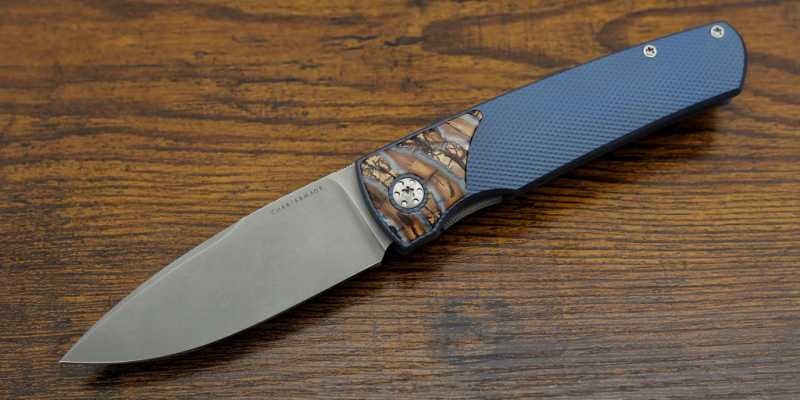
A front flipper is a type of folding knife that features a small protrusion or tab on the front of the blade’s spine near the pivot. Unlike traditional flipper knives that use a tab sticking out from the back of the handle, the front flipper allows the user to open the knife by rolling their thumb or index finger over the front tab.
This design creates a clean and minimalist appearance when the knife is closed. It’s particularly popular among those who prefer a more refined aesthetic without exposed flipper tabs interrupting the knife’s silhouette.
The Origin and Evolution of Front Flipper Knives
The concept of the front flipper knife is relatively new in comparison to traditional folding knives. It evolved as part of the growing EDC movement, where users wanted knives that were both functional and stylish.
Custom knife makers and boutique brands such as Gareth Bull, Brad Southard, and WE Knife Co. helped popularize the design in the late 2010s. Their creations inspired a wave of new front flipper models across the industry, from high-end custom builds to affordable production knives.
Over time, the front flipper mechanism has evolved to include different detent strengths, bearing systems, and ergonomic enhancements that improve deployment speed and smoothness.
How a Front Flipper Works
The operation of a front flipper knife relies on a precise mechanism that allows the blade to pivot open smoothly. When closed, a portion of the blade’s spine extends slightly past the handle. This small section acts as the flipping tab.
To open it:
- The user places their thumb or index finger on the exposed tab.
- They then apply pressure upward and slightly backward, using a rolling or flicking motion.
- As the blade passes the detent ball, the pivot mechanism — often equipped with ball bearings — propels it open until it locks in place.
The result is a seamless and satisfying deployment that requires no thumb stud or rear flipper tab.
Front Flipper vs. Traditional Flipper
While both knives use a similar internal mechanism, the difference lies in the location of the flipper tab and the style of deployment.
- A traditional flipper has a tab on the back of the handle, allowing the user to press it downward like a trigger.
- A front flipper, however, positions the tab on the front spine of the blade, requiring a forward rolling motion.
The front flipper is generally sleeker and more discreet, while the traditional flipper is faster and easier for beginners. Many knife enthusiasts appreciate the front flipper for its elegant simplicity and smooth action.
Why Knife Enthusiasts Love Front Flippers
The front flipper has earned a loyal following for several key reasons:
- Clean Aesthetic: The lack of a rear tab keeps the knife’s design smooth and uninterrupted.
- One-Handed Operation: Once mastered, it allows for quick, single-handed opening.
- Fidget Factor: The motion of rolling the thumb or finger to flip the blade is addictive and fun.
- Compact Design: Ideal for pocket carry, with fewer protruding parts.
- Innovation: It represents a new chapter in knife engineering, appealing to collectors who love mechanical precision.
The front flipper perfectly balances elegance with everyday practicality — a blend that appeals to modern users.
The Mechanics Behind Smooth Operation
A good front flipper relies on more than just clever design — it’s about precise engineering.
The following components play key roles in how it works:
- Detent System: Keeps the blade secure in the closed position until the user initiates the flip.
- Pivot Bearings: Usually ceramic or steel, these allow the blade to rotate smoothly and efficiently.
- Locking Mechanism: Most front flippers use a liner lock or frame lock to keep the blade safely open.
- Ergonomics: The placement of the pivot and the angle of the spine tab determine how comfortable it is to use.
When these elements work together, a front flipper feels effortless — a single, fluid motion from closed to open.
How to Use a Front Flipper Knife Properly
For beginners, learning to use a front flipper can take a bit of practice.
Here’s a simple guide:
- Grip the Handle Firmly: Hold the knife securely in your dominant hand.
- Locate the Front Tab: You’ll find it at the top corner of the handle, near the pivot.
- Roll Your Thumb or Index Finger Upward: Use a controlled rolling motion, not brute force.
- Let the Blade Glide Open: The pivot bearings will do most of the work.
- Engage the Lock: Once open, make sure the locking mechanism clicks into place.
Mastering this motion feels natural with repetition, and soon, the front flipper becomes one of the most enjoyable knives to operate.
The Advantages of a Front Flipper Knife
Front flippers aren’t just stylish — they offer real, functional benefits:
- Discreet Carry: No exposed flipper tab makes them more pocket-friendly.
- Safer Handling: The blade opens away from the hand, reducing accidental slips.
- Elegant Design: Their minimalist profile appeals to those who prefer understated tools.
- Ambidextrous Use: Suitable for both left- and right-handed users with minimal adjustment.
- Smooth Deployment: The bearing pivot ensures quick, frictionless movement.
These features make the front flipper ideal for everyday carry, office use, or outdoor activities where compactness and ease of use matter.
Potential Drawbacks of Front Flippers
While front flippers offer many advantages, they aren’t perfect for everyone.
- Learning Curve: New users may find it tricky at first compared to a rear flipper or thumb stud.
- Grip Sensitivity: Some designs require precise finger placement.
- Limited Leverage: The smaller tab means less force can be applied for opening.
- Less Beginner-Friendly: It’s better suited for enthusiasts who enjoy practicing and perfecting their technique.
However, these drawbacks are minor for most users once they become familiar with the mechanism.
Choosing the Right Front Flipper Knife
When selecting your first front flipper, consider the following factors:
- Blade Steel: Choose quality steels like S35VN, M390, or D2 for edge retention.
- Handle Material: Titanium, micarta, or carbon fiber provide durability and style.
- Detent Strength: A well-tuned detent ensures both security and smooth flipping.
- Brand Reputation: Reputable makers such as Civivi, Bestech, and Kizer produce excellent front flipper knives.
- Size and Ergonomics: Choose a size that fits your hand comfortably and suits your daily needs.
A well-chosen front flipper becomes not just a tool, but a conversation piece — a reflection of craftsmanship and personal taste.
Conclusion
The front flipper represents a fusion of artistry and engineering. It transforms the simple act of opening a knife into a smooth, satisfying motion. Whether you’re an EDC enthusiast, a collector, or someone seeking a functional yet elegant tool, understanding the front flipper meaning enhances your appreciation of modern knife design.
It’s not just a mechanism — it’s a statement. The front flipper stands for innovation, sophistication, and the joy of precision craftsmanship in motion.
FAQs
1. What makes a front flipper different from other knives?
A front flipper differs in its opening mechanism. Instead of a rear tab or thumb stud, it uses a small front-facing tab on the blade spine for deployment.
2. Is a front flipper hard to use?
At first, yes — it requires a bit of practice. But once you master the rolling or flicking motion, it becomes easy and intuitive to operate.
3. Are front flippers legal to carry?
In most areas, front flipper knives are legal, as they are manual openers and not classified as switchblades. However, always check your local knife laws.
4. Which brands make the best front flippers?
Brands like Civivi, Kizer, Bestech, WE Knife Co., and Gareth Bull are well-known for producing high-quality front flipper designs.
5. Why do collectors love front flipper knives?
Collectors appreciate front flippers for their clean design, unique mechanics, and the enjoyable flipping action. They blend beauty, innovation, and function in one tool.
Also read: When Is the Best Time to DoorDash? Maximize Your Earnings Every Day