


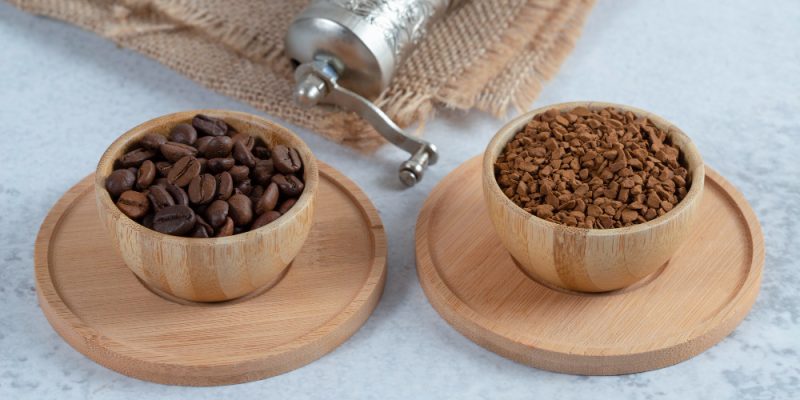
When it comes to making great coffee, the grinder is just as important as the beans or brewing method. A good grinder ensures consistency and unlocks the true flavor of your coffee. Among coffee enthusiasts and professionals, two main types of burr grinders dominate the discussion — flat burr and conical burr.
While both are designed to crush coffee beans into uniform particles, they do so differently, affecting the taste, aroma, and texture of your brew. Understanding how these grinders work and what makes them different can help you make a more informed choice for your brewing setup.
Introduction to Burr Grinders
Before diving into flat and conical burrs, it’s important to understand what a burr grinder is. A burr grinder uses two abrasive surfaces, known as burrs, to grind coffee beans to a consistent size. Unlike blade grinders, which chop beans unevenly, burr grinders crush the beans, resulting in a more uniform grind.
Consistency is crucial because it affects how evenly water extracts flavor during brewing. Burr grinders are available in two main designs — flat and conical — each offering unique advantages depending on your preferences and brewing method.
What Is a Flat Burr Grinder?
A flat burr grinder uses two flat, parallel discs with sharp edges that face each other. Coffee beans pass between these burrs and are ground into particles of uniform size. The burrs are typically made of stainless steel or ceramic and can be adjusted to produce coarse or fine grinds.
Flat burrs are known for producing highly consistent grind sizes, which is why they are often used in professional espresso machines and specialty coffee shops. The design ensures even particle distribution, making them ideal for brewing methods that demand precision, such as espresso and pour-over.
What Is a Conical Burr Grinder?
A conical burr grinder, as the name suggests, uses a cone-shaped burr paired with a ring-shaped burr. Coffee beans fall through the vertically aligned burrs and are crushed gradually, producing grounds of varying sizes that are still relatively uniform.
Conical burr grinders are popular for home use and commercial applications because they are efficient, quieter, and less prone to overheating. They work well across different brewing methods, from espresso to French press, and are often easier to maintain.
The Main Difference Between Flat Burr and Conical Burr Grinders
The primary difference between flat burr and conical burr grinders lies in the shape and alignment of the burrs. Flat burrs grind beans horizontally between two flat discs, while conical burrs grind them vertically through a cone-and-ring structure.
This difference in design affects three main factors:
- Grind consistency
- Heat generation
- Retention of coffee grounds
Flat burrs tend to produce a more consistent grind but may generate more heat during operation. Conical burrs are generally cooler and more energy-efficient, but the grind may have slightly more variation.
Ultimately, these design variations impact the flavor and aroma of the final cup of coffee.
Grind Consistency and Flavor Profile
Grind consistency is key to achieving balanced extraction and rich flavor. Flat burr grinders excel at delivering uniform particle sizes, resulting in smooth and precise flavor extraction. This makes them ideal for espresso and pour-over coffee, where small variations can affect taste noticeably.
Conical burr grinders, while slightly less consistent, produce a grind that is often described as more complex and balanced. The minor variations in grind size can contribute to a richer and more layered flavor, which some coffee drinkers prefer for manual brewing methods like Chemex or Aeropress.
Heat and Noise Considerations
When grinding coffee, heat generation is a concern because excessive heat can burn the coffee grounds and affect flavor. Flat burr grinders, due to their high-speed operation and flat design, tend to generate more heat. This can lead to minor flavor changes if the grinder is used continuously for large batches.
Conical burr grinders, on the other hand, operate more slowly and require less power, resulting in cooler grinding temperatures. They are also quieter than flat burr grinders, which makes them more suitable for home use, especially in the early morning hours.
Retention and Cleaning
Retention refers to how much ground coffee remains inside the grinder after use. Flat burr grinders usually have higher retention because of their horizontal design, which traps small particles between the burrs. This can affect the freshness of future grinds if not cleaned regularly.
Conical burr grinders typically have lower retention due to their vertical path, allowing most of the grounds to fall directly into the collection bin. This makes them easier to clean and helps ensure that each grind starts with fresh beans.
For anyone who values convenience and minimal maintenance, conical burr grinders offer a practical advantage.
Cost and Maintenance
When comparing costs, flat burr grinders are generally more expensive than conical burr grinders. Their precision and uniform grind make them a favorite among baristas and professionals who demand consistency. However, this performance comes with a higher price tag and often more complex maintenance.
Conical burr grinders, while more affordable, still deliver excellent performance and are easier to clean. They require less frequent calibration and are more forgiving for beginners. For home users who want quality grinding without intensive upkeep, conical burr grinders are often the better choice.
Which Grinder Is Better for Your Brewing Method?
The best grinder for you depends on your brewing style and personal taste preferences.
- Espresso Drinkers: Flat burr grinders are often preferred because they provide an extremely consistent grind, which is essential for even extraction and rich crema.
- Manual Brewing Enthusiasts: Conical burr grinders offer versatility and are ideal for pour-over, Aeropress, French press, and drip brewing. They bring out more subtle flavors and are easier to use.
- Home Users: If convenience, lower noise, and affordability matter most, conical burr grinders are the practical option.
- Professional Baristas: For precise control and superior consistency, flat burr grinders remain the standard choice.
There is no absolute winner — the right choice depends on how and why you brew coffee.
Choosing the Right Grinder for You
When selecting between flat and conical burr grinders, consider the following factors:
- Your brewing method: Match the grinder type to your coffee style.
- Budget: Flat burr grinders tend to be pricier, while conical burrs offer better value for money.
- Noise level: Conical burrs are quieter, making them ideal for home kitchens.
- Ease of cleaning: Conical designs have lower retention and are simpler to maintain.
- Taste preference: Flat burrs highlight clarity and brightness, while conical burrs bring warmth and depth to the flavor.
Taking these aspects into account will help you make the right investment for your coffee experience.
Conclusion
Both flat burr and conical burr grinders are capable of producing excellent coffee, but they cater to different needs and preferences. Flat burr grinders excel in grind uniformity and precision, making them the choice of professionals and espresso lovers. Conical burr grinders, on the other hand, offer efficiency, versatility, and ease of use, making them ideal for home brewers and those who appreciate a balanced flavor profile.
In the end, the best grinder is the one that complements your brewing style and enhances your daily coffee ritual. Whether you value precision or simplicity, understanding how each grinder works allows you to brew coffee that truly reflects your taste.
FAQs
1. Which grinder type produces better flavor?
Both can produce excellent flavor, but flat burr grinders emphasize clarity and precision, while conical burrs provide a more rounded and complex taste.
2. Are flat burr grinders worth the higher price?
Yes, if you value consistent particle size and professional-level espresso performance. However, for everyday brewing, conical burr grinders offer great value.
3. Do conical burr grinders require less maintenance?
Yes, they are generally easier to clean and have lower coffee retention, making them more user-friendly for home baristas.
4. Which grinder is quieter during operation?
Conical burr grinders are quieter because they operate at lower speeds and generate less friction compared to flat burr grinders.
5. Can both grinder types be used for all brewing methods?
Yes, but each excels in specific areas. Flat burrs are best for espresso and fine grinds, while conical burrs perform well across various brewing methods, including coarse grinds for French press.
Also read: Signs of a Bad Temp Sensor | Symptoms, Causes, and Fixes Explained