


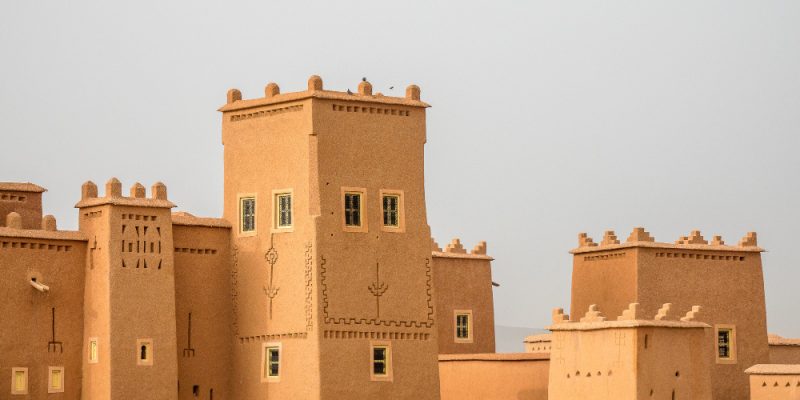
Steeped in centuries of history, Fes (Fez), Morocco, Fes Fez Morocco is a city that feels like a living museum. From the moment you step into the labyrinthine alleys of its famed medina, you’re transported to another era—a place where artisans still handcraft leather goods, where ancient madrasas echo with the sound of Quranic verses, and where every stone tells a story.
Known as Morocco’s cultural and spiritual heart, Fes is one of the oldest imperial cities in North Africa. It’s no wonder that this UNESCO-listed city is a dream destination for culture lovers. In this article, we uncover 9 cultural sites in Fes Fez Morocco that will absolutely leave you in awe.
1. Al-Qarawiyyin University – The World’s Oldest University
Founded in 859 AD by Fatima al-Fihri, Al-Qarawiyyin is recognized by UNESCO and the Guinness World Records as the oldest existing university in the world. It’s more than a center of Islamic learning—it’s a symbol of intellectual history and women’s empowerment.
While non-Muslims can’t enter the mosque section, you can still admire the stunning green-tiled roof and visit the library, which houses ancient manuscripts and scholarly works that shaped the Arab world.
2. Bou Inania Madrasa – A Masterpiece of Marinid Architecture
Built in the 14th century by Sultan Abu Inan Faris, Bou Inania Madrasa is one of the few religious buildings in Morocco open to non-Muslims. It served as both a school and a mosque, and its architecture is nothing short of breathtaking.
You’ll be mesmerized by the cedar wood carvings, stucco mosaics, and zellij tilework that decorate the courtyard and prayer hall. The sense of serenity inside is a profound contrast to the busy medina just outside its walls.
3. Chouara Tannery – A Window Into Medieval Leather Craft
One of the most photographed spots in Fes, the Chouara Tannery offers a raw and fascinating look into ancient leather-making techniques. Dating back to the 11th century, it’s still in use today.
From viewing platforms, you can watch workers dye leather in massive stone vats filled with natural colorants like saffron and poppy. Despite the strong smells, this tannery is a cultural treasure that showcases the enduring craft traditions of the city.
4. Fes el-Bali – The Ancient Medina That Time Forgot
No visit to Fes is complete without getting lost in Fes el-Bali, the largest and oldest medina in the world. With over 9,000 winding alleyways, it’s a living cultural heritage site where mules still carry goods and craftsmen hammer copper in tiny workshops.
Among its narrow streets, you’ll discover hidden gems like historic mosques, vibrant souks, and spice-scented stalls. The medina is not just a place to shop—it’s an experience of life in a bygone era.
5. Dar Batha Museum – A Showcase of Moroccan Art and Design
Housed in a 19th-century Andalusian-style palace, the Dar Batha Museum displays an impressive collection of traditional Moroccan arts, including woodwork, ceramics, embroidery, and calligraphy.
One of the highlights is the blue Fassi ceramics, which Fes is renowned for. The museum gardens, filled with citrus trees and fountains, offer a peaceful escape after the intensity of the medina.
6. Nejjarine Museum of Wooden Arts & Crafts – A Carved Legacy
Located in a restored caravanserai (funduq), this museum is a celebration of Moroccan woodwork. From intricately carved doors to antique musical instruments, the Nejjarine Museum showcases the richness of the country’s woodworking heritage.
The rooftop offers panoramic views over Fes, and the on-site café is the perfect place to relax and reflect on the artistry you’ve just explored.
7. Royal Palace (Dar al-Makhzen) – Regal Grandeur From the Outside
While the Royal Palace of Fes isn’t open to the public, the exterior alone is a cultural marvel. The palace gates, made of brass, cedar wood, and zellij tiles, are among the most beautiful in all of Morocco.
Spanning 80 hectares, the palace still serves as a royal residence when the king visits Fes. Standing in front of its grand gates gives you a sense of Morocco’s majestic past and present.
8. Moulay Idriss II Shrine – Sacred and Spiritual
This shrine honors Moulay Idriss II, the founder of Fes and a revered figure in Moroccan history. It’s considered one of the holiest sites in the country, and many Moroccans make pilgrimages here.
Non-Muslims can’t enter the tomb chamber, but the courtyard and surroundings are open to all, and the spiritual energy of the place is palpable. The nearby streets are filled with shops selling religious items, sweets, and traditional clothing.
9. Jnan Sbil Gardens – A Refreshing Cultural Escape
Dating back to the 18th century, the Jnan Sbil Gardens are a lush escape from the hustle of the medina. With Andalusian fountains, exotic plants, and shaded walkways, it’s a perfect spot for a cultural breather.
Originally built for royalty, the gardens now serve as a peaceful public park and reflect the importance of nature in Moroccan cultural and spiritual life.
Conclusion: A City Steeped in Soul
Fes Fez Morocco is not just a city; it’s a soul-stirring experience. It’s a place where culture is not confined to museums—it lives and breathes in the streets, architecture, and traditions. These 9 cultural sites offer a deep dive into Morocco’s rich tapestry of history, spirituality, and craftsmanship.
Whether you’re marveling at ancient madrasa carvings or witnessing leather being dyed by hand, you’ll walk away with more than just beautiful photos—you’ll carry the spirit of Fes with you.
FAQs
1. What’s the best time to visit Fes Fez Morocco?
The best times are spring (March–May) and autumn (September–November) when the weather is pleasant and the city is less crowded. Summers can be very hot, especially in the medina.
2. Is Fes safe for tourists?
Yes, Fes is generally safe for tourists, especially in popular areas. As with any city, use common sense—keep valuables secure and avoid walking alone in remote alleys at night.
3. Can you explore the medina without a guide?
You can, but hiring a guide is highly recommended for first-time visitors. The medina is vast and easy to get lost in. Guides also provide rich historical context and can help you avoid tourist traps.
4. Are credit cards accepted at cultural sites?
Most cultural sites accept only cash for entrance. It’s best to carry Moroccan dirhams (MAD), especially in the medina. Some museums may accept cards but don’t rely on it.
5. What should I wear while visiting cultural sites in Fes?
Dress modestly—long pants or skirts, covered shoulders, and comfortable shoes for walking. It shows respect for the local culture, especially in religious or traditional areas.
Also read : Why Starbucks’ Ang Ku Kueh Is the Perfect Blend of Old and New