


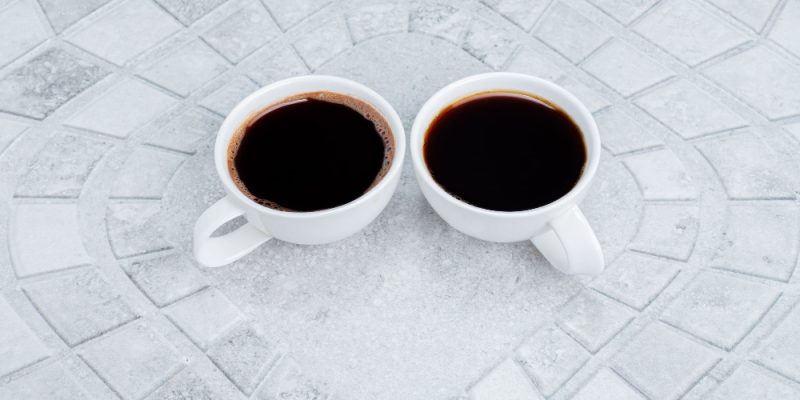
Coffee is more than just a drink—it’s a daily ritual for millions around the world. Among the countless brewing styles, two methods stand out as the most common and beloved: espresso and drip coffee. Though they both start with the same beans, these two brewing techniques produce remarkably different results in taste, texture, and experience. Understanding the difference between espresso and drip coffee helps coffee lovers choose the brew that best matches their preferences, time, and lifestyle.
In this article, we’ll explore what sets espresso apart from drip coffee, their brewing processes, flavor profiles, caffeine content, and how to decide which one is right for you.
The Basics of Espresso
Espresso is a concentrated coffee brewed by forcing hot water through finely ground coffee under high pressure. This method extracts a small but intense shot of coffee within about 25 to 30 seconds. The result is a thick, strong beverage topped with a creamy golden foam known as crema.
Espresso originated in Italy in the early 1900s and has become the foundation for many popular coffee drinks, including lattes, cappuccinos, macchiatos, and Americanos. The brewing process requires an espresso machine capable of generating at least nine bars of pressure, ensuring that water extracts oils, flavors, and aromas efficiently.
Because of its concentrated nature, espresso delivers a bold flavor and rich mouthfeel that coffee enthusiasts often describe as luxurious and full-bodied.
The Basics of Drip Coffee
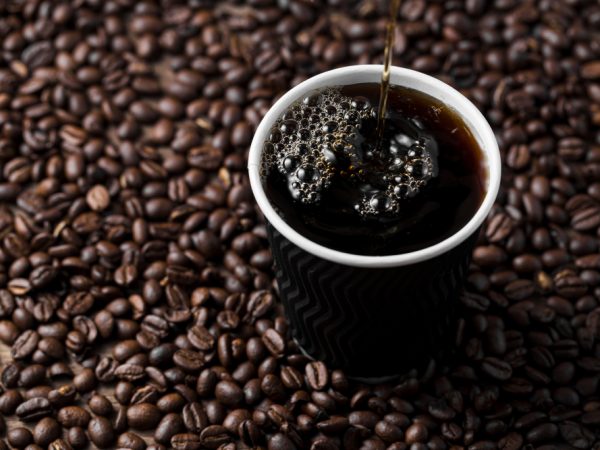
Drip coffee, also known as filtered or brewed coffee, is made by letting hot water flow through medium-ground coffee beans contained in a paper or metal filter. The water absorbs the coffee’s flavors and oils as it drips into a carafe or cup below.
This brewing method is slower than espresso but much simpler. Drip coffee makers are common in homes and offices because they require little effort—just add coffee grounds and water, press a button, and wait a few minutes.
Drip coffee produces a cleaner, lighter, and less concentrated cup than espresso. It allows drinkers to enjoy larger servings and subtle flavor notes that vary with bean type, roast level, and brewing time.
Brewing Process Differences
The most significant difference between espresso and drip coffee lies in how they are brewed. Espresso relies on pressure, while drip coffee depends on gravity.
An espresso machine pushes hot water through compacted grounds at high speed. This intense process extracts flavor quickly, resulting in a small but strong shot. On the other hand, drip coffee involves hot water slowly seeping through grounds, usually over several minutes. The longer extraction time gives drip coffee a smoother, milder taste with more volume.
Espresso machines tend to be more expensive and require maintenance, while drip machines are affordable and easy to use, making them ideal for daily convenience.
Flavor and Aroma Comparison
When comparing espresso and drip coffee, flavor is where the difference truly shines. Espresso has a concentrated taste, often described as bold, rich, and slightly bittersweet. The crema layer adds a creamy texture and enhances the aroma, giving espresso its signature intensity.
Drip coffee, in contrast, is lighter and more balanced. The slower brewing process highlights the nuanced flavors of the beans, allowing drinkers to detect fruity, nutty, or chocolatey undertones. This makes drip coffee a great choice for those who prefer a smoother and more delicate cup rather than an intense burst of flavor.
Ultimately, espresso is about intensity and strength, while drip coffee focuses on clarity and complexity.
Caffeine Content: Which Has More?
A common misconception is that espresso contains more caffeine than drip coffee because of its strong taste. While espresso is more concentrated, a single shot (about one ounce) typically has 60 to 80 milligrams of caffeine. A standard eight-ounce cup of drip coffee, however, contains about 90 to 120 milligrams of caffeine.
That means drip coffee generally delivers more caffeine per serving, but espresso provides more caffeine per ounce. If you drink several espresso shots, your caffeine intake can quickly surpass that of a regular cup of coffee.
The key takeaway is that your caffeine level depends on serving size. Espresso gives you a quick boost, while drip coffee offers a more gradual, sustained energy release.
Texture and Mouthfeel
Espresso’s texture is one of its most defining characteristics. Its thick, velvety consistency comes from the emulsified oils and fine coffee particles suspended in the shot. The crema on top adds a luxurious smoothness that coats the palate.
Drip coffee, on the other hand, feels much lighter. The paper filter used in drip brewing removes most oils and fine grounds, resulting in a clean, crisp mouthfeel. Metal filters, sometimes used in pour-over brewing, can create a slightly heavier body but still lack the creamy texture of espresso.
Your preference for texture largely determines which brew you’ll love more—espresso for richness or drip for smooth clarity.
Convenience and Accessibility
When it comes to convenience, drip coffee takes the lead. Drip machines are inexpensive, easy to maintain, and can brew multiple cups at once. They’re perfect for busy mornings or offices where several people need coffee quickly.
Espresso machines, while offering a more refined experience, require more effort and skill. You need to grind beans to the right fineness, tamp them evenly, and manage brewing pressure and temperature. However, modern automatic espresso machines simplify this process, allowing even beginners to make café-quality shots at home.
If speed and simplicity are your priorities, drip coffee is the better option. If you enjoy the craft and ritual of brewing, espresso may be your perfect match.
Cost and Equipment
The cost difference between espresso and drip coffee setups is significant. A basic drip coffee maker can cost as little as twenty to fifty dollars, while premium models rarely exceed a couple of hundred dollars. Maintenance is minimal, and filters are inexpensive.
Espresso machines, on the other hand, range from a few hundred dollars for entry-level models to several thousand for professional-grade equipment. You’ll also need a quality grinder to achieve the fine consistency espresso requires. While this investment is higher, espresso enthusiasts consider it worthwhile for the flavor precision and brewing control it provides.
Ultimately, drip coffee is the more affordable and practical choice for most households, but espresso machines offer a rewarding experience for dedicated coffee lovers.
Which Is Better: Espresso or Drip Coffee?
Choosing between espresso and drip coffee depends on your taste preferences, lifestyle, and priorities. If you love a quick, concentrated burst of flavor and caffeine, espresso is the way to go. It’s perfect for those who appreciate intensity and craftsmanship.
Drip coffee, on the other hand, is ideal for slow mornings, larger servings, and those who enjoy savoring the complex flavors of their beans. It’s less demanding to prepare and easier to share.
Neither brew is objectively better—the best choice depends entirely on what kind of coffee experience you want each day. Some coffee lovers even enjoy both, turning to espresso for a quick pick-me-up and drip coffee for relaxed sipping.
Conclusion
At their core, espresso and drip coffee represent two sides of the same love for great coffee. Espresso delivers intensity, power, and focus in every sip, while drip coffee offers depth, comfort, and subtlety. Each method has its charm and purpose—espresso energizes, and drip soothes.
Whether you prefer the short, bold shot of an espresso or the comforting aroma of a steaming cup of drip coffee, both brew styles celebrate the art of coffee making. The best choice is not about which one is superior but which one fits your moment. After all, the beauty of coffee lies in its diversity—and both espresso and drip remind us why coffee is one of life’s greatest simple pleasures.
FAQs
1. Which has more caffeine, espresso or drip coffee?
Per ounce, espresso has more caffeine, but a full cup of drip coffee contains more caffeine overall because of its larger volume.
2. Can I make espresso with regular coffee beans?
Yes, but espresso beans are typically roasted darker and ground finer for better extraction under pressure. You can use regular beans if you adjust the grind size appropriately.
3. Why does espresso taste stronger than drip coffee?
Espresso’s brewing method uses pressure to extract more flavor compounds quickly, creating a richer, more concentrated taste compared to the slower drip method.
4. Is espresso healthier than drip coffee?
Both are healthy in moderation. Espresso contains more antioxidants per ounce, while drip coffee’s paper filter removes oils that can raise cholesterol in excessive consumption.
5. Which coffee is cheaper in the long run?
Drip coffee is generally cheaper because the equipment and maintenance costs are lower, and it uses less coffee per serving.
Also read: Is 500 Mbps Good for Gaming? Here’s What You Need to Know