


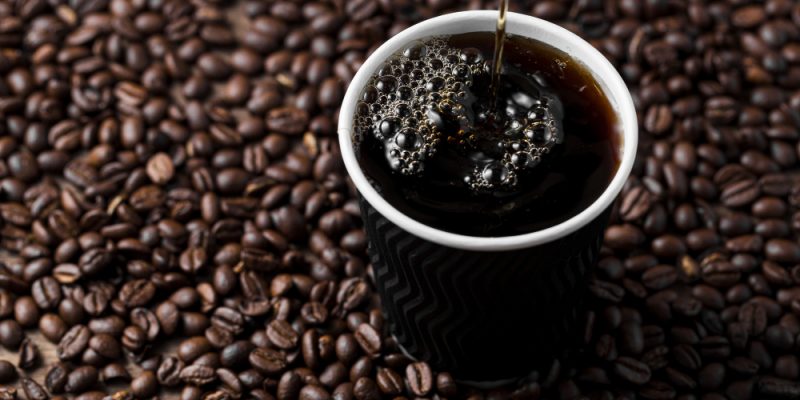
Espresso is meant to be rich, bold, and aromatic — not harsh or unpleasantly bitter. A good espresso shot should have a balanced flavor, combining sweetness, acidity, and a pleasant touch of bitterness. However, if your espresso tastes overwhelmingly bitter, something has gone wrong in your brewing process.
Understanding what causes bitterness in espresso is key to improving your technique. In this guide, we’ll explore the most common causes of bitter espresso and show you practical ways to fix each one.
Over-Extraction: The Most Common Cause of Bitter Espresso
Over-extraction happens when hot water runs through the coffee grounds for too long, pulling out too many compounds. The first part of espresso extraction brings out pleasant acids and sugars, but the final part contains bitter compounds.
If your espresso shot runs longer than 30 seconds, it can lead to over-extraction. The result is a cup that tastes harsh, burnt, or overly bitter.
How to fix it:
Try shortening your extraction time to around 25 to 30 seconds. You can do this by adjusting the grind size or the tamping pressure. If your espresso machine allows, experiment with different shot times to find the sweet spot.
Grind Size Too Fine
Grind size has a huge impact on espresso flavor. If your coffee grounds are too fine, water struggles to pass through them. This causes the water to stay in contact with the grounds for too long, leading to over-extraction and a bitter taste.
On the other hand, if the grind is too coarse, the shot may come out weak and sour. Finding the right balance is key.
How to fix it:
Adjust your grinder slightly coarser. Make small changes and test each shot until you get a balanced flavor with good crema. Always use a high-quality burr grinder for consistency.
Water Temperature Too High
Espresso requires hot water to extract flavors effectively, but if the water is too hot, it burns the coffee grounds, producing a bitter and smoky taste. Most espresso machines are designed to heat water to the ideal range, but temperature inconsistencies can still occur.
The optimal brewing temperature for espresso is between 195°F and 205°F (90°C to 96°C). Anything higher can scorch the grounds.
How to fix it:
Check your machine’s temperature settings if possible. If your espresso tastes burnt or bitter, try lowering the temperature slightly. Always allow your machine to warm up properly before brewing.
Stale or Low-Quality Coffee Beans
Freshness plays a major role in espresso flavor. Stale or low-quality beans often taste flat, dry, and bitter because they have lost their natural oils and sweetness.
Coffee beans start to lose flavor within a few weeks of roasting. Using pre-ground coffee makes this worse since it oxidizes faster.
How to fix it:
Use freshly roasted, high-quality beans from a reputable roaster. Store them in an airtight container away from light, heat, and moisture. Grind the beans right before brewing for the best flavor.
Using Too Much Coffee or Tamping Too Hard
Espresso brewing is precise, and even small changes in dose or tamping pressure can affect flavor. Using too much coffee or pressing too hard when tamping compresses the grounds too tightly, slowing water flow and leading to over-extraction.
This often results in a bitter, burnt-tasting espresso with minimal sweetness.
How to fix it:
Use a digital scale to measure your coffee dose accurately — typically 18 to 20 grams for a double shot. When tamping, apply firm, even pressure but do not over-compress. The goal is a smooth, level surface that allows even water flow.
Dirty Espresso Machine or Portafilter
A dirty espresso machine can easily ruin even the best coffee beans. Old coffee oils and residue build up inside the portafilter, basket, and group head, contaminating new shots with bitter, rancid flavors.
These residues continue to cook each time you brew, making every espresso taste worse over time.
How to fix it:
Clean your espresso machine regularly. Rinse the portafilter and basket after every shot. Backflush your machine daily using an espresso cleaner or detergent. A clean machine produces fresher, more balanced espresso.
Old or Burnt Coffee Oils in the Grinder
Just like your espresso machine, your grinder can hold onto old coffee oils and fine particles. These stale residues can mix with fresh coffee grounds and create a bitter taste.
Even high-end grinders need occasional cleaning to maintain flavor quality.
How to fix it:
Clean your grinder at least once a week. Brush out the burrs, remove old grounds, and use grinder cleaning tablets occasionally. This prevents contamination and keeps your espresso tasting bright and fresh.
Incorrect Brew Ratio
The brew ratio — the amount of coffee used compared to the amount of water extracted — affects the espresso’s strength and flavor balance. A typical espresso has a ratio of 1:2, meaning one gram of coffee produces about two grams of espresso.
If your shot uses too much water or too little coffee, it can taste thin and bitter. Getting the ratio right ensures proper extraction and flavor harmony.
How to fix it:
Use a scale to measure both your input (coffee dose) and output (espresso weight). For example, if you use 18 grams of coffee, aim for around 36 grams of espresso in 25 to 30 seconds. Adjust as needed to suit your taste.
Poor Water Quality
Even the best beans cannot overcome bad water. Hard water with too many minerals or chlorine can cause bitterness and alter flavor. Likewise, distilled water lacks the minerals needed to extract coffee properly.
Water should enhance the coffee’s natural flavors, not overpower them.
How to fix it:
Use filtered water or bottled spring water for brewing. Avoid softened or distilled water. Some espresso enthusiasts even use water optimized for coffee brewing to achieve consistent results.
Roast Level and Bean Type
Darkly roasted beans naturally have a more bitter flavor profile than light or medium roasts. While some bitterness is expected in espresso, overly dark beans can taste burnt, especially when brewed under high pressure.
Similarly, certain coffee origins or blends may have a stronger bitterness due to bean variety and processing method.
How to fix it:
If your espresso consistently tastes bitter despite correct brewing, try switching to a lighter or medium roast. These roasts tend to produce a smoother, sweeter espresso with better flavor balance.
Experiment with different bean origins to find one that matches your taste preferences.
Conclusion
A bitter espresso can be disappointing, but the good news is that it is almost always fixable. Most bitterness comes from over-extraction, grind size errors, or temperature issues — all of which you can correct with a little practice and attention to detail.
Focus on using fresh beans, keeping your equipment clean, and making small, consistent adjustments to your grind, dose, and extraction time. With patience, you will find the perfect balance of sweetness, acidity, and depth in every shot.
Brewing espresso is both an art and a science, and learning to control its variables is part of the journey. Soon enough, you’ll be pulling espresso shots that are rich, balanced, and never bitter again.
FAQs
1. Is espresso supposed to taste a little bitter?
Yes, a slight bitterness is normal and even desirable in espresso. It adds depth and balance. However, if the bitterness overwhelms the flavor, it means the coffee was over-extracted or brewed incorrectly.
2. How can I make my espresso taste sweeter?
Use fresh beans, a slightly coarser grind, and shorten your extraction time. Lighter roasts and proper water temperature also help highlight natural sweetness.
3. Can using old coffee beans cause bitterness?
Yes, stale beans lose oils and aroma, leaving behind dull, bitter flavors. Always use freshly roasted beans and store them properly in an airtight container.
4. What is the best espresso water temperature?
The ideal brewing temperature is between 195°F and 205°F (90°C to 96°C). Anything higher can burn the coffee grounds and produce bitterness.
5. How often should I clean my espresso machine?
Rinse the portafilter and basket after every shot, backflush the machine daily, and do a deep cleaning weekly. Regular maintenance prevents buildup that causes bitter flavors.
Also read: Model Rocket Launch Tips for Beginners