


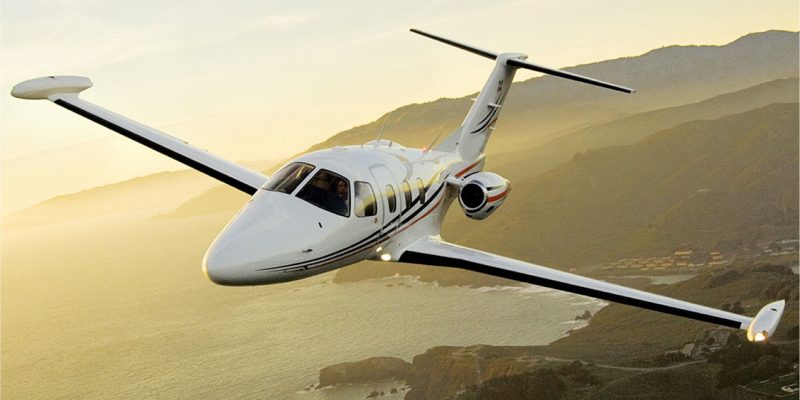
The Eclipse 500 Very Light Jet (VLJ) is a milestone in aviation history. Designed to make private jet travel more affordable, efficient, and accessible, the Eclipse 500 became a symbol of innovation in the early 2000s. Combining modern avionics, lightweight construction, and fuel-efficient engines, this jet redefined the small jet category.
In this article, we explore everything you need to know about the Eclipse 500, including its design, performance, cabin experience, operational costs, and ownership value.
Introduction to the Eclipse 500 Very Light Jet
The Eclipse 500 was one of the first successful Very Light Jets to enter production. Developed by Eclipse Aviation in the United States, it was introduced as a breakthrough in private aviation technology. The aircraft’s primary goal was to deliver the luxury and performance of a business jet at a fraction of the traditional cost.
Its twin-engine configuration, composite materials, and advanced avionics made it both efficient and economical, catering to private owners, air taxi operators, and corporate users seeking low operating expenses and high reliability.
Development and History
The Eclipse 500’s story began in the late 1990s when Eclipse Aviation envisioned a jet that could be operated as easily as a small piston aircraft but with jet-level performance. The company’s goal was to create a jet that could be certified under simpler regulations while maintaining safety and performance standards.
The prototype made its first flight in 2002, and after years of refinement, the aircraft received FAA certification in 2006. Although Eclipse Aviation faced financial struggles leading to its closure, the aircraft’s design lived on through Eclipse Aerospace and later One Aviation, which continued to support and upgrade the model.
Aircraft Design and Construction
The Eclipse 500 features a sleek, aerodynamic design optimized for fuel efficiency and high performance. Its airframe is primarily made of lightweight aluminum alloys, allowing it to maintain strength while reducing weight.
The jet’s compact size is a defining characteristic—it is designed for short-haul flights and quick operations at smaller airports. Its overall wingspan and length make it suitable for short runways, giving owners more flexibility in choosing destinations.
Another significant innovation is its use of advanced avionics, integrated systems, and simplified cockpit layout, making it easier to operate even for pilots transitioning from propeller-driven aircraft.
Engines and Performance
At the heart of the Eclipse 500 are two Pratt & Whitney Canada PW610F turbofan engines. Each engine produces approximately 900 pounds of thrust, offering strong performance for such a small aircraft. These engines are known for their reliability, low fuel consumption, and quiet operation.
The Eclipse 500 has a maximum cruise speed of around 370 knots (approximately 425 miles per hour) and a service ceiling of 41,000 feet. Its climb performance and range make it ideal for short to medium-haul routes, connecting regional destinations efficiently.
With a range of approximately 1,100 nautical miles, the Eclipse 500 can handle most domestic business flights with ease. It can operate from runways as short as 2,500 feet, allowing access to airports unavailable to larger jets.
Cockpit and Avionics
The Eclipse 500 was one of the first very light jets to introduce a fully integrated glass cockpit, known as the Avio Integrated Flight Management System. This avionics suite simplifies flight operations by centralizing navigation, communication, and engine monitoring functions.
Pilots benefit from dual screens that display flight data, engine performance, and weather information, reducing workload and improving situational awareness. The automation built into the Avio system also enhances safety by managing critical systems automatically, minimizing pilot error.
For owner-pilots, this setup makes the Eclipse 500 easy to operate and efficient to manage, even without a co-pilot on shorter routes.
Cabin Design and Comfort
Although compact, the Eclipse 500’s cabin is designed to provide comfort for up to six passengers, including the pilot. The cabin features four club-style seats, a minimalist design, and noise-reduction materials for a quieter experience.
The cabin dimensions offer enough legroom for regional flights, and its large windows allow ample natural light. While it lacks a stand-up cabin, it provides the essentials for short business trips, including climate control and optional storage configurations.
Some later upgrades and modifications from Eclipse Aerospace included enhanced soundproofing, upgraded lighting, and improved interior materials, offering a more luxurious feel.
Fuel Efficiency and Operating Costs
One of the biggest selling points of the Eclipse 500 is its impressive fuel economy. The jet burns roughly 48 to 60 gallons of fuel per hour, significantly less than most light jets in its category. This makes it one of the most cost-effective options for private jet travel.
Maintenance and operational costs are also relatively low due to its simple design and efficient systems. The aircraft requires fewer maintenance hours per flight hour, and the engines are designed for long life cycles between overhauls.
Overall, the Eclipse 500 allows owners and operators to achieve jet-level performance while keeping operating costs closer to those of a turboprop.
Market Value and Price Overview
When first introduced, the Eclipse 500 had a target price of around $1.5 million, making it one of the most affordable jets available. Today, used models typically range between $700,000 and $1.2 million, depending on condition, total flight hours, and avionics upgrades.
The resale value remains strong among owner-pilots and charter companies because of its low operating costs and reliability. Owners often view it as a practical choice for business or personal travel within a 1,000-mile range.
Maintenance and Support
Eclipse Aerospace and later One Aviation continued to provide support for existing Eclipse 500 aircraft, offering upgrades such as improved avionics and enhanced systems. Aftermarket service centers also provide maintenance and parts, ensuring continued airworthiness for existing fleets.
Many Eclipse 500 aircraft have been upgraded to the Eclipse 550 standard, which includes more advanced avionics, better systems integration, and enhanced flight performance. This ensures that even older models can remain competitive with modern light jets.
Ownership Experience and Use Cases
The Eclipse 500 appeals to a wide range of operators. Private owners appreciate its low entry cost and ease of operation, while corporate users value its efficiency for regional travel. Air taxi and charter services have also adopted the Eclipse 500 for short-haul routes, offering affordable private jet experiences to clients.
Its ability to access small airports, combined with low fuel burn and reduced maintenance needs, makes it one of the most practical aircraft for personal and business aviation.
Conclusion
The Eclipse 500 Very Light Jet stands as one of the most innovative aircraft in modern aviation history. It successfully merged the convenience of private air travel with cost efficiency, performance, and technological sophistication.
Although its manufacturer faced challenges, the aircraft continues to be a favorite among pilots and owners who seek the freedom of jet ownership without the high costs associated with larger models.
For travelers and aviators who need fast, flexible, and affordable regional air travel, the Eclipse 500 remains a remarkable achievement in the world of light jets.
FAQs)
1. What is the range of the Eclipse 500?
The Eclipse 500 has a range of approximately 1,100 nautical miles, making it ideal for regional business trips and short-haul routes.
2. How much does an Eclipse 500 cost today?
A used Eclipse 500 typically costs between $700,000 and $1.2 million, depending on its condition, total hours, and upgrades.
3. How many passengers can the Eclipse 500 carry?
The Eclipse 500 can accommodate up to six occupants, including the pilot. Most configurations include four passenger seats and two pilot seats.
4. What makes the Eclipse 500 fuel-efficient?
Its lightweight design, aerodynamic airframe, and efficient Pratt & Whitney PW610F engines contribute to low fuel consumption and excellent performance.
5. Is the Eclipse 500 still supported today?
Yes. Various companies, including Eclipse Aerospace and independent service centers, continue to provide parts, maintenance, and upgrade support for Eclipse 500 owners.
Also read: Front Flipper: What It Is and How It Works