


Flags are powerful symbols. They represent nations, movements, and ideas. But what about a flag for the entire planet Earth? Enter the Earth flag — a banner designed not for one country, but for all humanity.
Earth flags are symbols of global unity, environmental responsibility, and the shared home we all inhabit. Over the years, various designs have been proposed, each carrying a message of peace, sustainability, and planetary pride.
In this article, we’ll explore the origins, designs, symbolism, and modern uses of Earth flags, along with their importance in today’s interconnected world.
What is an Earth Flag?
An Earth flag is a symbolic flag created to represent the planet as a whole, rather than any single nation. Unlike national flags, Earth flags are about collective identity and global citizenship.
They are often used in:
- Environmental movements
- Space exploration proposals
- International peace organizations
- Cultural and educational contexts
The History of Earth Flags
The Original Earth Flag (1969)
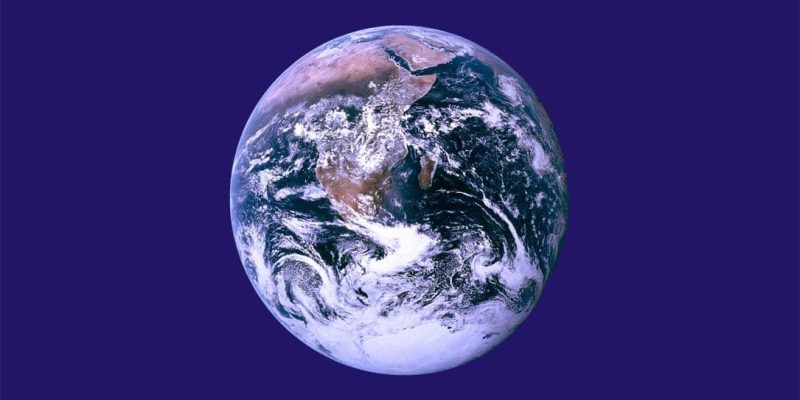
The first popular Earth flag was designed in 1969 by John McConnell, an activist and environmentalist.
- The design featured the “Blue Marble” photograph of Earth taken from space.
- It was meant to remind humanity of its shared responsibility to protect the planet.
The Earth Day Connection
McConnell’s Earth flag became closely associated with Earth Day celebrations, starting in 1970. The flag was flown at rallies, schools, and environmental campaigns.
Popular Earth Flag Designs
Over time, several Earth flag designs have gained attention:
The Blue Marble Earth Flag
- Features NASA’s famous photo of Earth from space.
- Symbolizes unity, fragility, and interconnectedness.
The International Flag of Planet Earth (2015)
- Designed by Oskar Pernefeldt of Sweden.
- Uses seven white interlinked circles on a blue background to represent interconnected life and water on Earth.
- Proposed for space missions as a symbol of planetary identity.
Earth Day Flags
- Often use green and blue color schemes.
- May feature trees, the globe, or recycling symbols.
Environmental Movement Flags
- Variations created by NGOs and activists.
- Include designs with leaves, oceans, and eco-friendly icons.
Symbolism of Earth Flags
Earth flags carry rich symbolism:
- Blue Backgrounds → Represent oceans, life, and peace.
- Globe or Earth Images → Show global unity and shared responsibility.
- Green Elements → Symbolize nature, forests, and sustainability.
- Interconnected Circles → Emphasize interdependence of all life forms.
Unlike national flags that highlight differences, Earth flags highlight common humanity.
Earth Flags in Modern Culture
Environmental Advocacy
Earth flags are widely used in climate marches, Earth Day events, and sustainability campaigns.
Education
Schools and universities often raise Earth flags to teach environmental responsibility.
Space Exploration
NASA and other agencies have considered adopting planetary flags to represent Earth on space missions.
Global Identity
In a world often divided by borders, Earth flags provide a symbol of unity and peace.
Why Earth Flags Matter
- A Shared Identity
Humanity has no official planetary flag. Earth flags provide a unifying alternative.
- Raising Environmental Awareness
Visual symbols strengthen environmental movements.
- Promoting Peace
The flag represents Earth as a single community beyond national conflicts.
- Future of Space Colonization
As humans explore Mars and beyond, an Earth flag could represent our collective home world.
Where to Buy Earth Flags
- Online Retailers: Amazon, Etsy, specialty flag stores.
- Environmental Organizations: Some NGOs sell Earth flags to support causes.
- Custom Printing: You can design your own Earth flag for events or classrooms.
Conclusion
The Earth flag is more than just a piece of fabric — it’s a symbol of unity, responsibility, and hope for a sustainable future. From John McConnell’s 1969 Blue Marble flag to the modern International Flag of Planet Earth, these designs remind us that we all share one fragile planet.
As climate change and global challenges increase, Earth flags serve as a powerful reminder of our common humanity and duty to protect our home.
FAQs
1. Who created the first Earth flag?
John McConnell designed the first widely recognized Earth flag in 1969.
2. What does the International Flag of Planet Earth look like?
It features seven interlinked white circles on a blue background, symbolizing interconnectedness.
3. Is there an official flag for planet Earth?
No official flag has been adopted globally, but several designs are widely used.
4. What is the Earth flag used for?
It is used in Earth Day events, environmental movements, and educational campaigns.
5. Can I buy an Earth flag?
Yes, Earth flags are available online, at environmental stores, and through NGOs.
Also read: Track Length: Definition, Uses, and Measurements Across Sports, Racing, and Music