



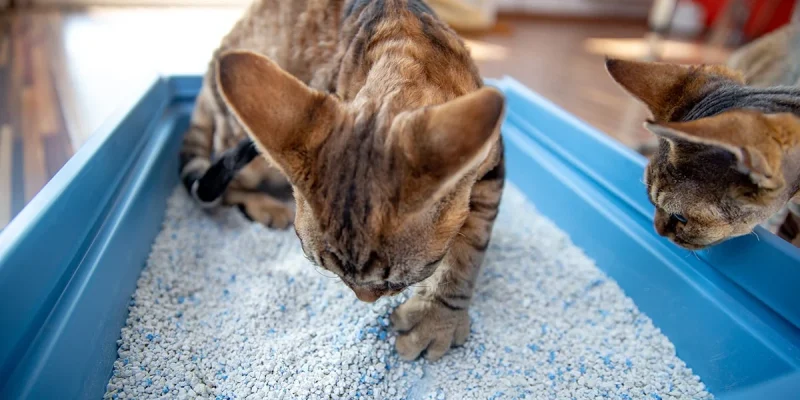
As cats age, their needs change dramatically, including the type of litter box and cat litter they prefer. Senior cats—typically defined as those aged 10 years or older—often face mobility issues, arthritis, kidney disease, and other age-related health concerns. These conditions can make litter box use challenging.
Choosing the right cat litter for senior cats can significantly improve their comfort, reduce accidents, and promote better hygiene. This article explores the best options, considerations, and expert tips to help you provide the most supportive environment for your aging feline friend.
Why Senior Cats Need Special Litter Considerations
A younger cat may adapt easily to most types of litter, but senior cats often require more thought and care.
Common Challenges Senior Cats Face in the Litter Box
- Arthritis and mobility issues – Difficulty stepping into high-sided boxes or digging in heavy litter.
- Reduced sense of smell – Older cats may need litter with better odor control.
- Health concerns – Kidney disease or diabetes can cause frequent urination, requiring highly absorbent litter.
- Sensitive paws – Senior cats may avoid sharp or rough litter textures.
Selecting the right cat litter can minimize these challenges and ensure your senior cat continues using the litter box comfortably.
Key Features to Look for in Cat Litter for Senior Cats
When shopping for cat litter for older cats, keep these features in mind:
Low Dust Formula
Dusty litter can irritate sensitive lungs, especially in aging cats prone to respiratory issues. Look for dust-free or low-dust clumping litters.
Soft Texture
Senior cats may have sore or arthritic paws. A soft, fine-grain litter is gentler and more inviting.
Excellent Odor Control
Older cats sometimes urinate more frequently. Odor-controlling litter—like those with activated charcoal or baking soda—helps maintain hygiene.
High Absorbency
Absorbent clumping litters keep the box cleaner and reduce tracking, especially important if your cat urinates more often.
Lightweight Options
If you need to clean the box frequently, lightweight litter is easier to scoop and replace.
Best Types of Cat Litter for Senior Cats
Clumping Clay Litter
- Pros: Easy to scoop, widely available, good odor control.
- Cons: Some brands are dusty and heavy.
- Best for: Senior cats without severe respiratory issues.
Silica Gel Crystal Litter
- Pros: Excellent absorbency, low dust, long-lasting odor control.
- Cons: Some cats dislike the texture.
- Best for: Cats with frequent urination due to kidney or thyroid issues.
Natural and Biodegradable Litter (Corn, Wheat, Walnut, or Paper)
- Pros: Eco-friendly, soft texture, low dust.
- Cons: May not clump as strongly.
- Best for: Senior cats with sensitive paws or allergies.
Paper Pellet Litter
- Pros: Ultra-soft, dust-free, gentle on paws.
- Cons: Less odor control, needs frequent changes.
- Best for: Cats recovering from surgery or with severe arthritis.
Litter Box Setup Tips for Senior Cats
Even the best cat litter won’t help if the litter box setup isn’t senior-friendly.
Low-Entry Litter Boxes
Choose boxes with lower sides to make it easier for arthritic cats to step in.
Multiple Litter Boxes
Place boxes on each floor of your home to reduce the distance your senior cat has to travel.
Frequent Cleaning
Older cats are more sensitive to odors. Scoop daily and change litter often to encourage use.
Non-Slip Mats
Place mats under litter boxes to prevent slipping and reduce litter tracking.
Quiet, Accessible Location
Keep boxes away from loud appliances or busy areas. Senior cats prefer privacy and easy access.
Transitioning Senior Cats to a New Litter
Cats can be picky about litter changes. To transition smoothly:
- Mix a small amount of the new litter with the old one.
- Gradually increase the new litter over 7–10 days.
- Observe your cat’s behavior and adjust if necessary.
Patience is key—some seniors need extra time to adapt.
Health Monitoring Through Litter
One overlooked benefit of choosing the right litter is health monitoring. Specialized senior cat litters are now available that change color when detecting abnormal urine pH or blood, helping cat owners catch issues like urinary tract infections or kidney disease early.
Expert Recommendations
Veterinarians and feline behaviorists often recommend:
- Dr. Elsey’s Senior Cat Litter – Dust-free, soft on paws, and great odor control.
- Fresh Step Lightweight Litter – Easy to manage and reduces odor.
- Yesterday’s News (Paper Litter) – Gentle for cats with paw sensitivity or post-surgery needs.
Always consult your veterinarian for personalized guidance, especially if your senior cat has chronic health conditions.
Conclusion
Choosing the best cat litter for senior cats is an essential part of keeping your aging feline comfortable, clean, and healthy. Look for low-dust, soft-textured, and absorbent options, and don’t forget to make the litter box setup senior-friendly with low sides, non-slip mats, and frequent cleaning.
By investing in the right litter and setup, you can help your senior cat maintain good bathroom habits and enjoy their golden years with dignity and comfort.
FAQs
1. What is the best cat litter for senior cats with arthritis?
Soft, fine-grain clumping or paper pellet litter works best for arthritic cats, as it’s easier on their paws.
2. Can I use scented litter for older cats?
It’s best to avoid heavily scented litter since older cats have a more sensitive sense of smell. Unscented or naturally deodorized litter is safer.
3. How often should I change litter for a senior cat?
Scoop daily and replace litter completely every 1–2 weeks. For cats with kidney disease, more frequent cleaning may be needed.
4. My senior cat is avoiding the litter box—what should I do?
Check for medical issues with a vet and consider switching to a softer, more accessible litter and a low-entry box.
5. Are lightweight litters better for senior cats?
Yes, lightweight litters are easier to dig in and make cleaning simpler for owners, which is especially helpful if frequent changes are required.
Also read: Why Are Kia Cars So Cheap? A Complete Guide to Affordability, Value, and Quality