


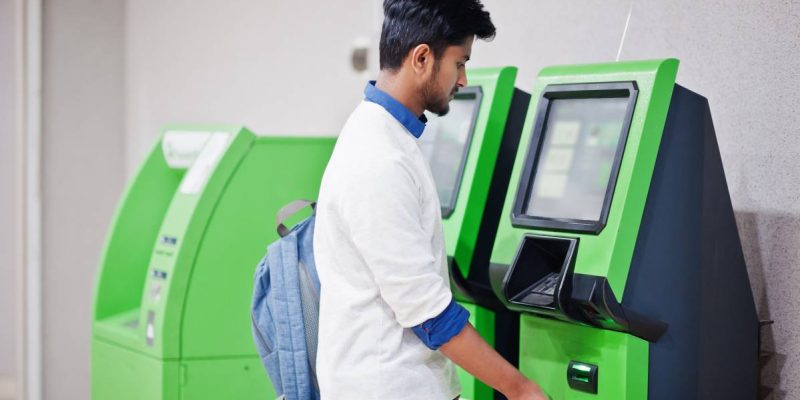
Looking for a low-maintenance, cash-generating business model? Buying an ATM machine offers a proven way to generate passive income by earning surcharge fees every time someone withdraws cash.
Whether you’re a small business owner wanting to increase foot traffic or an entrepreneur looking for a scalable investment, this guide covers everything you need to know to buy, install, and profit from your own ATM machine in 2025.
Benefits of Buying an ATM Machine
| Benefit | Why It Matters |
| Passive Income | Earn every time someone uses your ATM |
| Low Overhead | No employees or inventory required |
| Scalable Business | Start with 1 machine, grow to 10+ easily |
| Increased Foot Traffic | Attract customers to your store/location |
| Surcharge Control | Set your own transaction fee (avg $2.50–$3.50) |
Many ATM owners earn $200–$700+ per month per machine depending on location and traffic.
How Much Does It Cost to Buy an ATM Machine?
Here’s a breakdown of common costs in 2025:
| Expense | Estimated Cost |
| New ATM Machine | $2,500 – $4,000 |
| Used or Refurbished ATM | $1,200 – $2,000 |
| Installation | $200 – $500 |
| Cash Loading (if outsourced) | $100 – $300/month |
| Internet or Phone Connection | $10 – $30/month |
| Monthly Processing Fee | 3%–5% of revenue |
Types of ATM Machines
- Through-the-Wall ATM – Installed into a wall or kiosk; high-traffic areas
- Free-Standing ATM – Most common; placed indoors in convenience stores or lobbies
- Portable/Mobile ATM – Used at events or pop-up locations
Popular brands: Hyosung, Genmega, Triton, Hantle
Step-by-Step Guide to Buying an ATM Machine
Step 1: Choose Your Business Model
Decide if you want to:
- Own and operate ATMs (most profitable)
- Lease ATMs
- Partner with a processing company for a revenue split
Step 2: Select a Profitable Location
High-traffic areas work best:
- Gas stations
- Nightclubs
- Retail shops
- Colleges
- Events or festivals
Pro Tip: Get a location agreement with the business owner. Offer a small rent or revenue share (10%–30%).
Step 3: Buy the ATM Machine
You can purchase from:
- Direct manufacturers
- Authorized dealers
- Online resellers (e.g., ATMDepot, National ATM Systems, eBay)
Always look for:
- EMV compliance
- ADA accessibility
- Warranty and tech support
Step 4: Set Up Processing and Banking
You’ll need:
- An ATM processor (e.g., Switch Commerce, Columbus Data)
- A bank account for surcharge and withdrawal reconciliation
- A sponsor bank, if required by processor
Processing handles the communication between your machine, the bank, and the customer.
Step 5: Load Cash and Maintain the Machine
You can:
- Self-load cash (you keep 100% of surcharge)
- Hire a cash management service (less hassle, but lower profit)
Typical load: $2,000–$5,000 in $20 bills, refilled weekly depending on usage.
Step 6: Monitor Performance
Use cloud-based tools to:
- Track cash levels
- Monitor transactions
- View error messages remotely
Popular software: Triton Connect, Genmega RMS, ATM Fleet Tools
Legal and Compliance Requirements
| Requirement | Description |
| Register with FinCEN | Anti-money laundering compliance |
| ATM Operator Agreement | Required by processors |
| EMV Chip Compliance | Required for fraud protection |
| Local Permits (varies by city) | Check local zoning and vending laws |
| Insurance (optional) | Protects against vandalism/theft |
ATM businesses are regulated. Keep detailed records and comply with banking rules to avoid legal issues.
How Much Can You Make?
| Location Type | Average Monthly Transactions | Potential Profit/Month |
| Busy convenience store | 400–600 | $1,000+ |
| Small retail shop | 100–200 | $250–$600 |
| Event venue | Varies (seasonal) | $500–$2,000+ |
Should You Buy a New or Used ATM?
Buy New If You Want:
- Warranty and support
- Latest hardware
- Long-term performance
Buy Used If You Want:
- Lower upfront cost
- Entry-level setup
- Test the business before scaling
Common Mistakes to Avoid
- Choosing a bad location
- Ignoring EMV/ADA compliance
- Not securing a processing contract
- Forgetting about monthly operating costs
- Overestimating passive income without traffic data
Conclusion
Buying an ATM machine is a smart, scalable way to generate passive income—if done right. With the right location, machine, and setup, you could start earning within weeks. It’s ideal for side hustlers, small business owners, or investors who want a low-maintenance, high-cash-flow business.
Start small, track performance, and reinvest into more machines to grow your ATM route over time.
FAQs
1. How much money do I need to buy an ATM machine?
Typically $2,000–$4,000 upfront, plus cash to load and processing setup fees.
2. Is buying an ATM machine profitable?
Yes. Many owners make $300–$700+ per machine per month, depending on traffic.
3. Do I need a license to own an ATM?
Not in most states, but you must register with FinCEN and follow banking and compliance laws.
4. Who puts money in the ATM?
You can load it yourself or hire a cash management service.
5. Can I buy more than one ATM?
Absolutely. Most successful owners scale their income by building ATM routes across multiple locations.
Also read: The Oldest American Companies: Historic Businesses That Still Thrive Today