


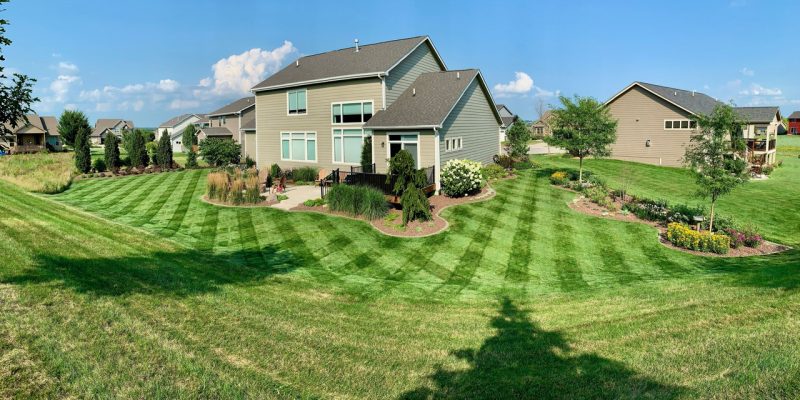
A well-maintained lawn adds instant beauty to any home, but mowing in creative patterns takes your yard to the next level. Lawn patterns transform ordinary grass into a visually striking canvas, blending aesthetics with craftsmanship. Whether you aim for a professional striped look or intricate checkerboards, these designs showcase both creativity and care.
Creating lawn patterns is not only about appearance — it also improves grass health. Regular mowing in different directions encourages even growth, reduces soil compaction, and enhances sunlight absorption. With the right approach, your yard becomes both beautiful and balanced.
Why Lawn Patterns Make a Difference
Lawn patterns elevate curb appeal and give your home a polished, high-end look. They reflect attention to detail and create a sense of order that complements your landscape design. Many homeowners and professional landscapers use mowing patterns to enhance visual flow, guide the eye, and make small spaces appear larger.
Beyond aesthetics, changing mowing patterns helps maintain healthier grass. It prevents ruts from forming in the soil and allows blades of grass to stand upright rather than bending in one direction. This results in a lusher, more vibrant lawn that feels soft underfoot and looks pristine from every angle.
How Lawn Patterns Work
The science behind lawn patterns lies in light reflection. When you mow in one direction, the grass blades bend away from you, reflecting light and appearing lighter in color. When you mow in the opposite direction, the blades bend toward you, appearing darker. This contrast creates the stripes and designs you see on golf courses and sports fields.
Achieving these effects depends on mowing height, grass type, and the weight of your mower. The taller the grass, the more flexible the blades, which enhances the striped appearance. Roller attachments or striping kits can further accentuate the design by bending the grass more evenly.
Tools and Equipment You’ll Need
Creating stunning lawn patterns does not always require expensive equipment, but having the right tools makes a difference. A reliable mower with sharp blades is essential for clean, precise cuts. Dull blades tear the grass, leading to a rough, uneven finish.
For defined patterns, consider using a lawn roller or a mower with a striping kit. These tools bend the grass in a consistent direction, creating sharp, professional-looking lines. A lightweight string trimmer can help define edges, while a leaf blower can clear clippings for a clean, finished appearance.
Common Types of Lawn Patterns
There are several popular lawn mowing designs you can try, each offering a unique visual effect:
Striped Pattern: The most common and easiest to create. It gives your lawn a sleek, professional look and works well for rectangular spaces.
Checkerboard Pattern: Made by mowing stripes in two perpendicular directions. This pattern provides a bold, eye-catching contrast often used in stadiums and golf courses.
Diagonal or Crisscross Pattern: Adds movement and dimension by angling the lines across your yard instead of following the straight boundaries.
Circular or Spiral Pattern: Perfect for open lawns or around focal points like trees and flower beds. The circular motion creates a soft, flowing appearance.
Wavy Pattern: A creative and relaxed design that softens sharp lines and adds personality to your lawn. It’s ideal for large, informal spaces.
Step-by-Step Guide to Creating Lawn Patterns
To achieve professional results, follow a systematic approach:
- Plan Your Design: Decide which pattern best fits your lawn shape and features. Draw a simple sketch or visualize how the lines will align with walkways, driveways, and flower beds.
- Mow the Perimeter First: Begin by mowing around the edges to define the boundary. This gives you room to turn your mower without overlapping the pattern.
- Choose Your Starting Point: Start on one side of the lawn and mow straight lines from end to end. Keep your eyes fixed on a distant object to maintain accuracy.
- Alternate Directions: On the return pass, mow in the opposite direction to create contrasting light and dark stripes.
- Add Cross Stripes (Optional): For checkerboard designs, mow another set of stripes perpendicular to the first set.
- Finish with Details: Use a trimmer for edges and a roller or striping kit to enhance the final look.
Patience and practice are key. With time, your mowing technique becomes smoother, and your lawn patterns will appear crisp and professional.
Grass Types That Work Best for Patterns
Not all grass types respond equally to pattern mowing. The ideal species have flexible blades that bend easily without breaking. Cool-season grasses such as Kentucky bluegrass, perennial ryegrass, and fescue varieties are excellent choices.
Warm-season grasses like Bermuda and Zoysia can still display patterns but may require more frequent mowing and a slightly higher cut. The goal is to keep the grass long enough to bend effectively while maintaining overall health. Regular fertilizing, watering, and aeration also help maintain the texture needed for strong visual effects.
Maintaining the Beauty of Your Lawn Design
To preserve your pattern and lawn health, consistency is vital. Mow regularly, but avoid cutting more than one-third of the grass height at a time. Changing the mowing direction every one or two weeks prevents wear and soil compaction.
Keep your blades sharp to avoid frayed edges, which can cause discoloration. After mowing, water your lawn to keep it hydrated and reduce stress on the grass. Over time, as your grass thickens, patterns will appear more distinct and last longer.
Creative Tips for Unique Lawn Patterns
For those who enjoy creativity, experiment with custom designs beyond basic stripes. Try adding curves or blending two patterns for a layered effect. Some advanced landscapers use templates or ropes to guide mower direction for symmetry.
You can also create themed designs for special occasions, such as heart shapes for weddings or wavy borders for summer parties. The key is to maintain precision and ensure the design complements the layout of your property.
For added visual impact, consider pairing your mowing patterns with thoughtful landscaping. Flower beds, garden borders, and walkways can enhance the lines and symmetry of your designs.
Benefits of Mowing with Patterns
Mowing in patterns offers several benefits beyond aesthetic appeal. It improves grass health by encouraging upright growth and preventing the turf from developing weak spots. Alternating directions distributes wear evenly, helping the lawn remain dense and strong.
From a visual standpoint, patterns can make your yard appear larger or more symmetrical. They also increase property appeal, which can be beneficial if you plan to sell your home. In essence, patterned mowing merges art, science, and care into a rewarding outdoor practice that reflects pride in your home.
Conclusion
Creating lawn patterns is a simple yet powerful way to turn your yard into a masterpiece. With a little creativity, the right tools, and consistent care, your lawn can rival the beauty of professional sports fields or landscaped estates. Beyond the visual appeal, mowing in patterns keeps your grass healthier and more vibrant throughout the year.
Whether you prefer classic stripes, elegant checkerboards, or playful curves, each design tells a story of dedication and artistry. Your yard becomes more than just a patch of green — it becomes a living canvas that reflects your personal style and appreciation for the natural beauty of your surroundings.
FAQs
1. How do lawn patterns actually form?
Lawn patterns appear because grass bends in different directions when mowed. The way light reflects off the bent blades creates the illusion of light and dark stripes.
2. Do I need special equipment to make lawn patterns?
Not necessarily. A standard mower with sharp blades works fine. However, using a roller or striping kit can make the lines more defined and professional-looking.
3. What is the best grass height for creating patterns?
Keep grass slightly taller — around three to four inches — so it bends easily and reflects light better. Taller blades help enhance the contrast between light and dark stripes.
4. How often should I mow to maintain lawn patterns?
Mow once or twice a week depending on growth rate and weather. Consistent mowing helps maintain the shape of your pattern and prevents uneven spots.
5. Can I create patterns on small lawns?
Yes. Even small lawns benefit from simple stripe or diagonal patterns. The key is to maintain precision, use straight lines, and adapt designs to the lawn’s shape and size.
Also read: Memorial Bird Feeder | A Beautiful Tribute to Loved Ones