


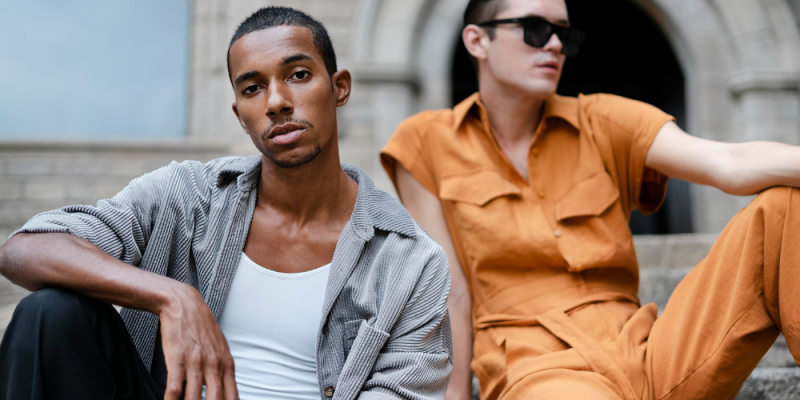
Fashion has always been a reflection of culture and identity. For decades, clothing was divided into two categories: men’s and women’s. However, the rise of non-gender-specific clothing has challenged this traditional divide. Today, fashion is becoming more inclusive, allowing people to express themselves without limitations. Non-gender-specific clothing, also known as gender-neutral or unisex fashion, celebrates individuality, comfort, and equality.
This growing trend represents more than a shift in clothing styles—it’s a social movement toward acceptance and diversity. It promotes freedom of choice, where people dress based on what they like, not what society dictates.
What Is Non-Gender-Specific Clothing?
Non-gender-specific clothing refers to apparel designed for anyone, regardless of gender identity. These clothes focus on comfort, functionality, and style rather than adhering to traditional masculine or feminine norms.
For example, oversized shirts, hoodies, tailored suits, and relaxed-fit jeans are popular non-gender-specific options. The goal is to design clothing that fits all body types and promotes inclusivity rather than division. Many brands now market their collections as genderless or unisex, encouraging customers to focus on expression and personality instead of labels.
The Evolution of Gender-Neutral Fashion
Gender-neutral clothing isn’t a new concept—it has existed for decades. In the 1960s and 1970s, designers began experimenting with androgynous looks inspired by youth culture and social change. Icons like David Bowie and Grace Jones challenged gender boundaries through fashion, paving the way for the unisex movement.
Today, non-gender-specific clothing has evolved into a global phenomenon. Modern designers and brands such as Telfar, Phluid Project, and Stella McCartney have embraced inclusivity as a central value. This shift reflects a broader cultural understanding that gender identity is diverse and fluid.
Why Inclusive Fashion Matters
Inclusive fashion matters because it promotes equality, self-expression, and representation. For many individuals, clothing is deeply personal—it reflects who they are and how they feel. Traditional fashion often excluded non-binary, transgender, and gender-nonconforming people by enforcing rigid style categories.
Non-gender-specific fashion challenges these barriers by giving everyone the freedom to wear what they love. It fosters confidence and encourages acceptance in society. Moreover, inclusive fashion sends a powerful message: style belongs to everyone, not to a specific gender.
Key Features of Non-Gender-Specific Clothing
There are certain design elements that define non-gender-specific clothing. These features make garments versatile, comfortable, and appealing to people of all gender identities.
- Neutral colors: Shades like black, white, beige, gray, and navy are common.
- Relaxed fits: Instead of emphasizing gendered body shapes, these clothes focus on comfort and mobility.
- Functional designs: Pockets, adjustable waistbands, and simple cuts make them practical for daily wear.
- Minimalistic style: Non-gender-specific clothing often embraces simplicity and timelessness over trends.
By focusing on these design aspects, fashion brands ensure that their clothing can be worn and enjoyed by anyone.
The Role of Brands in Promoting Gender Equality
Many global brands are now recognizing the importance of diversity in fashion. Major retailers like H&M, Zara, and ASOS have launched gender-neutral lines to cater to a wider audience. Independent labels such as Wildfang, One DNA, and TomboyX have also been pioneers in creating inclusive collections.
These brands are redefining how fashion markets to consumers. Instead of labeling sections as “men’s” or “women’s,” they present collections that appeal to all identities. This approach not only promotes equality but also broadens brand reach and builds loyalty among conscious consumers.
How Non-Gender-Specific Fashion Benefits Society
The popularity of non-gender-specific clothing brings several positive changes to society.
- Encourages self-expression: People can dress based on personality rather than stereotypes.
- Breaks social barriers: It challenges outdated gender roles and encourages acceptance.
- Supports mental well-being: When people feel free to express themselves authentically, it boosts confidence and happiness.
- Promotes sustainability: Many inclusive fashion brands also focus on ethical production and eco-friendly materials, connecting social equality with environmental responsibility.
This cultural shift toward inclusivity benefits everyone by creating a more understanding and empathetic world.
Styling Non-Gender-Specific Outfits
One of the greatest advantages of gender-neutral fashion is its versatility. Here are a few simple ways to style non-gender-specific outfits for any occasion.
- Casual look: Pair an oversized T-shirt with straight-cut jeans and sneakers.
- Professional look: Opt for a tailored blazer with wide-leg trousers and loafers.
- Athleisure look: Combine joggers with a neutral sweatshirt and sporty shoes.
- Evening look: Choose a monochromatic outfit with clean lines and minimal accessories.
The key to styling inclusive fashion is comfort and confidence. Mixing textures, layers, and fits allows for creative expression without boundaries.
The Connection Between Fashion and Identity
Fashion plays a vital role in shaping personal identity. For many, clothing is a form of self-expression that communicates individuality, culture, and beliefs. Non-gender-specific clothing helps people express themselves authentically without conforming to societal expectations.
It allows individuals to feel seen and respected for who they are. Whether someone identifies as male, female, non-binary, or gender-fluid, inclusive fashion supports their right to exist comfortably in their skin. By removing gendered barriers in fashion, we move closer to a more inclusive society.
The Future of Inclusive Fashion
The future of fashion is undoubtedly inclusive. As conversations around gender and diversity continue to grow, the demand for non-gender-specific clothing will increase. Consumers today value authenticity, sustainability, and inclusivity in the brands they support.
Technology and social media have also played a crucial role in amplifying diverse voices. Influencers, models, and designers from various backgrounds are promoting representation and acceptance in the fashion industry.
In the coming years, we can expect more brands to eliminate gendered labels, focus on body diversity, and embrace customization to fit individual preferences. Inclusive fashion is not just a passing trend—it’s the future of global style.
Conclusion
Non-gender-specific clothing represents a major step toward equality and inclusion in the fashion industry. It breaks away from outdated norms, allowing individuals to dress in ways that truly reflect their identity. By focusing on comfort, design, and freedom of expression, inclusive fashion empowers people to be themselves without fear of judgment.
The movement toward non-gender-specific fashion is reshaping how society views clothing. It proves that style has no gender—it’s about self-expression, authenticity, and confidence. As more brands adopt inclusive principles, fashion will continue to evolve into a space that celebrates everyone, regardless of gender identity.
FAQs
1. What does non-gender-specific clothing mean?
Non-gender-specific clothing refers to apparel designed for anyone, regardless of gender. It focuses on comfort, inclusivity, and self-expression rather than traditional gender norms.
2. Why is inclusive fashion important?
Inclusive fashion promotes equality, representation, and freedom of choice. It ensures that everyone can find clothing that reflects their personality without being limited by gender labels.
3. Which brands offer non-gender-specific clothing?
Brands like Telfar, Wildfang, Phluid Project, and major retailers such as ASOS and H&M offer gender-neutral collections that cater to diverse identities and body types.
4. How can I style gender-neutral outfits?
Choose versatile pieces like oversized shirts, blazers, and straight-cut jeans. Focus on comfort and simplicity, mixing textures and colors that suit your personality.
5. Is gender-neutral fashion a trend or the future?
Gender-neutral fashion is more than a trend—it’s a cultural shift. As society becomes more inclusive and aware of gender diversity, this movement is shaping the future of the fashion industry.
Also read: Sting Journalism Explained: How Undercover Reporting Works