


The automotive industry has always been a hub of innovation, constantly pushing the boundaries of technology and engineering. From the invention of the internal combustion engine to the rise of electric vehicles, cars have evolved dramatically over the decades. Today, a new wave of revolutionary car technologies is transforming how we drive, commute, and experience mobility.
The future of driving is not just about speed or style—it’s about sustainability, safety, efficiency, and intelligence. Automakers and tech companies are working together to create cars that can think, learn, and even drive themselves. These advancements are reshaping transportation as we know it, making driving safer, greener, and more connected.
In this article, we will explore the most groundbreaking car technologies leading this transformation and how they are redefining the future of mobility.
The Rise of Electric Vehicles (EVs)
Electric vehicles have become the symbol of the automotive revolution. Unlike traditional gasoline-powered cars, EVs rely on electricity stored in batteries to power their motors. This shift not only reduces greenhouse gas emissions but also significantly lowers fuel and maintenance costs.
With major car manufacturers such as Tesla, Ford, and Volkswagen investing heavily in EV development, the world is moving rapidly toward an all-electric future. Innovations in battery technology, such as solid-state batteries and fast-charging systems, are making EVs more practical and accessible than ever before. Governments worldwide are also promoting EV adoption by offering tax incentives and building charging infrastructure.
Autonomous Driving Technology
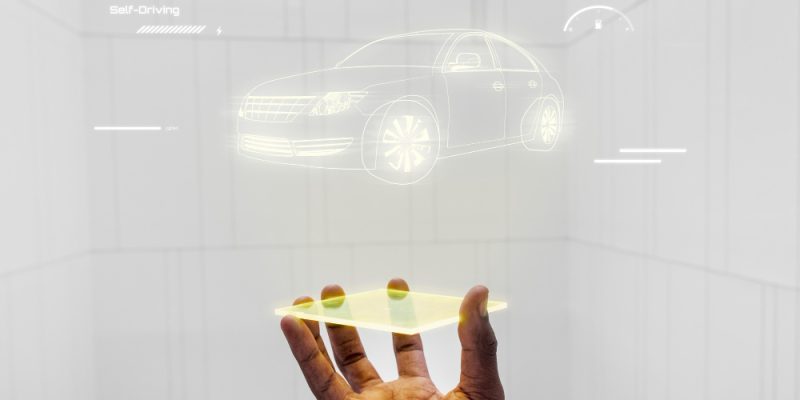
Perhaps the most futuristic and talked-about innovation in the automotive world is autonomous driving. Self-driving cars use a combination of sensors, cameras, radar, and artificial intelligence to navigate roads without human intervention.
Companies like Tesla, Waymo, and BMW are developing advanced driver assistance systems that can handle everything from lane-keeping to fully automated navigation. Levels of autonomy range from basic assistance, such as adaptive cruise control, to fully autonomous systems capable of operating without a driver.
The ultimate goal of autonomous driving technology is to eliminate human error, which accounts for the majority of road accidents. With continuous advancements, fully self-driving cars may soon become a common sight on public roads.
Artificial Intelligence and Machine Learning in Cars
Artificial intelligence (AI) plays a crucial role in the evolution of modern vehicles. AI systems analyze data from sensors, traffic patterns, and driver behavior to make real-time decisions. Machine learning enables cars to learn from experience, improving their performance over time.
AI is not just limited to autonomous driving—it also enhances user experience. For example, smart infotainment systems powered by AI can recognize voice commands, adjust climate control automatically, and even predict maintenance needs. AI-driven safety features, such as collision avoidance and predictive braking, help prevent accidents before they happen.
As AI continues to advance, vehicles will become more intuitive, responsive, and capable of adapting to their drivers’ preferences.
Vehicle-to-Everything (V2X) Communication
Vehicle-to-Everything, or V2X communication, is another revolutionary technology reshaping transportation. It allows cars to communicate with other vehicles, infrastructure, and even pedestrians in real time.
V2X systems use wireless communication to share information such as traffic conditions, hazards, and speed limits. For instance, if a car ahead brakes suddenly, it can send a warning to nearby vehicles to reduce speed, preventing potential collisions.
This technology is a cornerstone of smart city development, where connected vehicles and infrastructure work together to create safer and more efficient transportation networks. The integration of 5G networks further enhances V2X communication by enabling faster data exchange with minimal delay.
Advanced Driver Assistance Systems (ADAS)
Advanced Driver Assistance Systems are already making driving safer and more convenient. These systems use cameras, radar, and sensors to monitor the vehicle’s surroundings and assist the driver in various ways.
Some common ADAS features include:
- Lane departure warning and lane-keeping assist
- Blind-spot monitoring
- Adaptive cruise control
- Automatic emergency braking
- Parking assistance
These technologies act as an extra pair of eyes for the driver, reducing the likelihood of human error. As ADAS continues to evolve, it is paving the way for fully autonomous vehicles.
Connected Cars and the Internet of Things (IoT)
The concept of connected cars has gained immense traction in recent years. A connected car uses the Internet of Things (IoT) to communicate with devices, networks, and other vehicles. This connectivity allows for real-time updates, navigation assistance, and remote control features.
Drivers can now monitor their cars using smartphone apps, receive over-the-air software updates, and even start their vehicles remotely. Connected technology also enables predictive maintenance by alerting owners to potential issues before they become serious problems.
In the future, connected cars will play an integral role in building a fully digital transportation ecosystem, where vehicles seamlessly interact with roads, signals, and smart infrastructure.
Sustainable and Lightweight Materials
As environmental concerns grow, automakers are focusing on developing vehicles made from sustainable and lightweight materials. Traditional steel is being replaced with carbon fiber, aluminum, and composite materials that reduce vehicle weight without compromising strength.
Lighter cars require less energy to operate, which improves fuel efficiency and extends the range of electric vehicles. Additionally, manufacturers are experimenting with eco-friendly materials such as recycled plastics and plant-based composites for interiors.
These innovations not only reduce carbon emissions during production but also make vehicles more sustainable throughout their lifecycle.
Augmented Reality Dashboards and Displays
Augmented reality (AR) is finding its way into modern car dashboards and displays. Instead of relying on traditional gauges, AR displays project real-time information directly onto the windshield or screen.
This technology provides drivers with essential data such as speed, navigation directions, and hazard warnings without distracting them from the road. Some systems even highlight pedestrians or obstacles, enhancing situational awareness.
AR dashboards represent a major leap in user experience, blending digital information with real-world surroundings to create safer and more intuitive driving environments.
Energy Efficiency and Regenerative Braking
Improving energy efficiency has always been a priority for car manufacturers. One of the key innovations in this area is regenerative braking, a system that captures and stores energy lost during braking. This energy is then reused to power the vehicle or recharge the battery.
Regenerative braking is commonly found in electric and hybrid vehicles, helping extend driving range and reduce energy waste. Combined with aerodynamic design improvements and advanced power management systems, it plays a significant role in making vehicles more eco-friendly.
These energy-efficient technologies not only benefit the environment but also reduce operating costs for consumers.
The Future of Mobility: Flying Cars and Beyond
While it may sound like science fiction, the concept of flying cars is rapidly becoming a reality. Several companies are developing electric vertical takeoff and landing (eVTOL) vehicles designed to ease urban congestion and provide fast, efficient transportation.
These futuristic vehicles combine drone and car technologies, promising a new era of personal and commercial mobility. Alongside flying cars, innovations like hyperloop transportation, hydrogen fuel cells, and shared autonomous fleets are set to revolutionize how people move from place to place.
The future of driving is about more than just cars—it’s about redefining mobility itself.
Conclusion
The automotive world is in the midst of a technological revolution. From electric and autonomous vehicles to AI-driven systems and smart connectivity, cars are becoming more advanced, sustainable, and intelligent. These revolutionary technologies are not only transforming how we drive but also how we live, work, and interact with the world around us.
As we move toward a future of smarter, cleaner, and more efficient transportation, one thing is clear—the road ahead is full of innovation. The cars of tomorrow will not just be machines that take us from point A to point B; they will be intelligent companions that make travel safer, greener, and more enjoyable than ever before.
FAQs
1. What is the most revolutionary car technology today?
Electric vehicles and autonomous driving systems are among the most revolutionary technologies, significantly changing how cars are powered and operated.
2. How does AI improve driving safety?
AI enhances safety by analyzing data from sensors and predicting potential hazards. It helps control braking, steering, and acceleration to avoid collisions.
3. Are self-driving cars already available to the public?
Some vehicles offer partial autonomy through advanced driver assistance systems, but fully autonomous cars are still in testing phases.
4. What are connected cars?
Connected cars use internet-based systems to communicate with other devices, vehicles, and infrastructure for real-time updates, navigation, and safety features.
5. Will flying cars become a reality soon?
Several companies are developing flying car prototypes, and many experts believe commercial models could become available within the next decade.
Also read: Signs of a Bad Temp Sensor | Symptoms, Causes, and Fixes Explained