


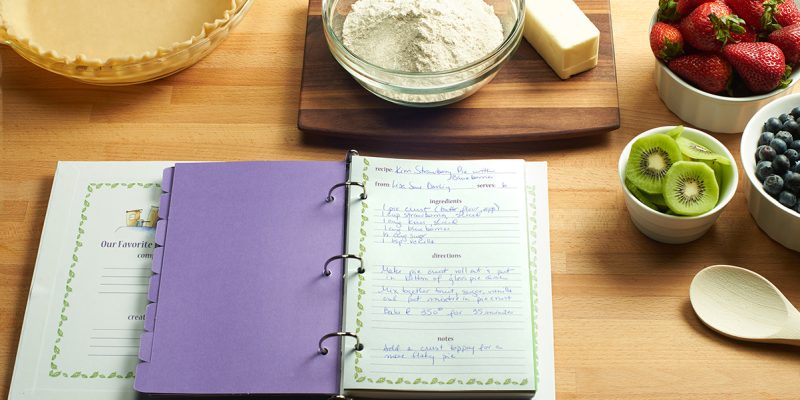
A good recipe book is more than a collection of dishes—it’s a roadmap for cooking inspiration, creativity, and organization. Whether you’re an amateur home cook or a professional chef, categorizing recipes helps streamline meal planning and makes cooking more enjoyable. Recipe book categories not only help you find what you need quickly but also make your collection more functional and visually appealing. From quick dinners to cultural cuisines, understanding the most useful recipe book categories ensures your kitchen stays both efficient and inspiring.
Everyday Meals: Quick and Easy Recipes
One of the most popular categories in any recipe book is everyday meals. These recipes are designed for busy weeknights or lazy weekends when time and energy are limited.
Quick and easy recipe sections often include dishes that require minimal preparation and ingredients—like 30-minute dinners, one-pot meals, and sheet pan recipes. These recipes appeal to home cooks who want tasty, wholesome food without spending hours in the kitchen.
This category typically focuses on accessibility and speed while maintaining flavor, making it essential for families, students, and anyone with a busy lifestyle.
Healthy and Balanced Eating
Health-focused cookbooks have gained immense popularity in recent years. The healthy eating category includes recipes that emphasize nutrition, portion control, and the use of fresh, whole ingredients.
Subcategories might include low-carb meals, vegetarian and vegan dishes, high-protein recipes, or heart-healthy options.
These recipes are perfect for readers who want to improve their diet, lose weight, or simply maintain a balanced lifestyle. Many cooks also include sections for smoothies, salads, and light meals to complement heavier dishes elsewhere in the book.
Comfort Food and Family Favorites
The comfort food category is one that resonates deeply with many cooks because it’s built around nostalgia and emotion. Comfort food recipes include hearty casseroles, stews, baked pasta, fried chicken, and other dishes that bring warmth and familiarity.
Family favorites often become traditions, passed down through generations. These recipes focus on flavors that evoke home, childhood, and togetherness. For many, this category forms the heart of their recipe collection, capturing the essence of family meals and celebrations.
Baking and Desserts
No recipe book is complete without a baking and dessert section. Baking is a distinct art form that requires precision and patience, and it deserves its own dedicated space.
This category includes cakes, cookies, pies, pastries, and breads, ranging from beginner-friendly recipes to advanced baking challenges.
For variety, you can divide this section into subcategories like “Simple Bakes,” “Celebration Cakes,” “Cookies and Bars,” or “Artisan Bread.”
Dessert recipes allow creative expression and make your cookbook more appealing to those who love sweets and special-occasion treats.
Global Cuisine: Exploring the World Through Food
Cooking is one of the most enjoyable ways to experience different cultures, and international recipes form a fascinating category in any recipe book.
This section can feature Italian pasta dishes, Thai curries, Mexican tacos, Indian spices, Mediterranean salads, and more. Each region offers unique techniques and ingredients that broaden your culinary perspective.
By including global cuisines, you create a more diverse and educational cookbook that appeals to adventurous cooks.
For readers who love exploring new flavors, this section transforms cooking into a cultural journey.
Special Diets and Lifestyle Cooking
As more people adopt specific dietary preferences, the special diets category has become increasingly important.
This section can include gluten-free, dairy-free, keto, paleo, vegetarian, and vegan recipes.
Lifestyle cookbooks tailored to these needs are among the fastest-growing in the food world, helping people cook delicious meals while adhering to their chosen diet.
Organizing recipes by dietary requirements makes it easy for readers to find suitable meals and also helps those cooking for family or friends with different needs.
Special Occasions and Holidays
Cooking often brings people together for celebrations, and the special occasions category focuses on recipes made for memorable moments.
This section includes holiday favorites like Thanksgiving dinners, Christmas desserts, and Easter brunches, as well as recipes for birthdays, anniversaries, and parties.
Special-occasion recipes tend to be more indulgent and elaborate, designed to impress guests and create lasting memories.
Having a dedicated category for festive dishes helps cooks plan ahead and makes the recipe book a trusted companion during holiday seasons.
Soups, Salads, and Starters
Light meals and starters deserve their own space in any well-organized recipe book. The soups, salads, and appetizers category offers refreshing and versatile options for any meal plan.
Soups can range from simple broths to creamy bisques, while salads can include both leafy greens and hearty grain bowls.
Appetizers add variety to gatherings and can double as snacks or side dishes.
This section gives readers quick options for lighter meals and is ideal for those who enjoy layering flavors and textures in creative ways.
Drinks and Smoothies
Beyond food, beverages add another layer of personality to a recipe book.
The drinks and smoothies category can include coffee creations, teas, cocktails, mocktails, and nutrient-packed smoothies.
Morning smoothies and health drinks fit naturally within wellness-focused cookbooks, while party cocktails and festive drinks appeal to those who enjoy entertaining.
Having a dedicated section for beverages makes your cookbook complete and versatile—offering something for every occasion, from a casual breakfast to a celebratory dinner.
Conclusion
Organizing a recipe book into clear categories helps both beginners and experienced cooks find inspiration and stay organized in the kitchen.
From everyday meals and comfort foods to baking, global cuisines, and healthy options, each category adds depth and personality to a cookbook.
A well-structured recipe book allows readers to easily explore new dishes and cooking techniques without feeling overwhelmed.
Whether you’re compiling family recipes, creating a blog, or designing your own cookbook, using diverse and thoughtful categories ensures that your collection serves every type of cook—from the novice to the expert.
A recipe book isn’t just about food; it’s about storytelling, culture, and creativity. With the right categories, it becomes a timeless companion in the kitchen—one that inspires delicious meals for years to come.
FAQs
1. What are the most important categories in a recipe book?
The most essential categories include everyday meals, healthy recipes, baking and desserts, international dishes, and special occasions. These sections cover a wide range of needs for most home cooks.
2. How should I organize recipes in my cookbook?
Organize recipes by meal type, cuisine, or dietary preference. Start with simpler dishes like breakfasts or quick meals, then move to more complex sections like baking, global cuisines, and festive dishes.
3. Should desserts and baking have separate categories?
Yes, it’s often best to separate desserts and baking because baking involves specific techniques and ingredients that differ from general cooking. It also helps readers find what they want faster.
4. Can I include beverages in a recipe book?
Absolutely. Adding beverages such as smoothies, cocktails, and coffee drinks makes your cookbook more complete and appealing, offering readers recipes beyond traditional meals.
5. How many categories should a recipe book have?
There’s no fixed rule, but most cookbooks have between 8 and 12 main categories. The key is balance—enough variety to cover different needs without overwhelming readers with too many sections.
Also read: Fuel Economy Ford Fusion – Real MPG, Efficiency, and Performance Guide