


Whether you are a gardener, farmer, or hobby grower, identifying weed seeds early is an important skill. Weeds compete with crops and flowers for sunlight, nutrients, and space. If you can recognize their seeds before they sprout, you can prevent unwanted plants from taking over your garden or lawn.
This beginner’s guide explains what weed seeds look like, how they differ from other plant seeds, and offers practical tips for identifying and managing them effectively.
What Are Weed Seeds?
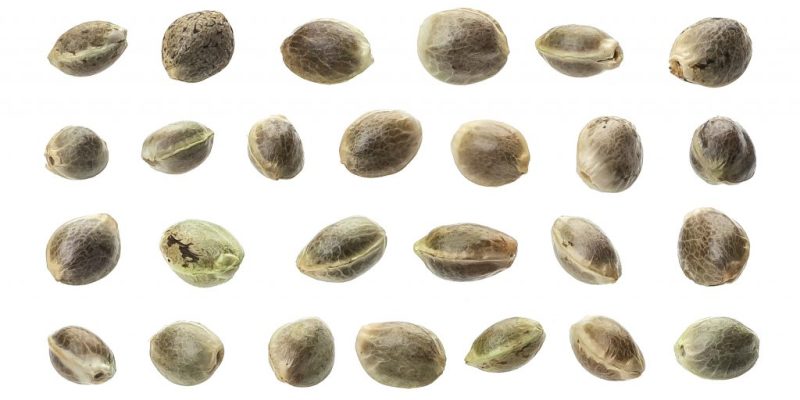
Weed seeds are the reproductive units of unwanted plants. Just like cultivated plants, weeds spread by producing seeds that germinate under the right conditions. These seeds vary greatly in shape, color, and size depending on the species.
Weeds are resilient and adaptive, allowing their seeds to survive harsh conditions. Some can remain dormant underground for years and still sprout when the environment becomes favorable. This makes early identification crucial to keeping gardens and fields weed-free.
Why Identifying Weed Seeds Matters
Identifying weed seeds helps gardeners and farmers prevent infestations before they start. By recognizing seeds early, you can:
- Avoid planting contaminated soil or compost.
- Control weed spread before germination.
- Protect your crops and maintain healthy growth.
- Save time and money spent on weed removal later.
Weed seeds often hide in the soil, compost, or store-bought seed mixes. Knowing what to look for ensures you can act before weeds take over your garden space.
Common Characteristics of Weed Seeds
Although weed seeds differ widely, many share certain characteristics. Here are general traits that help identify them:
- Small size: Weed seeds are often smaller than cultivated seeds.
- Dark or dull color: Many appear brown, black, or gray, blending easily with soil.
- Hard texture: They often have tough outer shells to survive rough conditions.
- Irregular shapes: Some are spiky, oval, or uneven, unlike the smooth, uniform shapes of crop seeds.
- Clinging or sticky surfaces: Certain weed seeds attach easily to fur, shoes, or clothing for spreading.
These features make weed seeds excellent survivors, capable of spreading through animals, wind, or water.
Examples of Common Weed Seeds
While there are hundreds of weed species, a few are more common in gardens and lawns. Below are some easily recognizable ones:
Dandelion Seeds
Dandelion seeds are small, lightweight, and have white, feathery tops that help them float in the wind. Each seed is attached to a thin stalk and can travel long distances.
Crabgrass Seeds
Crabgrass seeds are oval and small, often tan or light brown in color. They grow in clusters and germinate quickly when temperatures rise.
Foxtail Seeds
Foxtail seeds have a pointed shape with tiny bristles, giving them a spiky appearance. They can cling to animal fur and clothing easily.
Pigweed Seeds
Pigweed seeds are tiny, round, and dark brown to black. They are shiny and often blend into the soil, making them difficult to spot.
Clover Seeds
Clover seeds are small and yellowish-brown, shaped somewhat like tiny pebbles. They are smooth and round with a hard coating.
Recognizing these seeds helps you identify potential weed problems early.
How Weed Seeds Differ from Plant Seeds
It can be tricky to tell weed seeds apart from desired plant seeds. However, there are some differences you can look for:
- Size: Weed seeds are usually smaller and lighter.
- Texture: Many weed seeds are rough, while plant seeds are smoother.
- Color: Weeds often produce dark-colored seeds, while cultivated varieties tend to be lighter.
- Shape: Weed seeds come in irregular shapes, while crop seeds are often uniform.
When starting plants from seed, check the source. Buying from reputable suppliers reduces the risk of weed seed contamination.
Where Weed Seeds Hide
Weed seeds can be surprisingly good at hiding. They often mix unnoticed with soil, compost, and even potting mixes. Common hiding spots include:
- Garden soil: Old soil can contain dormant weed seeds waiting to sprout.
- Compost piles: Incomplete composting allows weed seeds to survive.
- Animal manure: Seeds eaten by animals can pass through and remain viable.
- Seed mixes: Poorly filtered grass or flower seed blends sometimes include weed seeds.
- Wind and water: Weed seeds can blow or wash into your garden from nearby areas.
Being aware of where they come from helps you take steps to limit their spread.
How to Identify Weed Seeds Before Planting
If you suspect your soil or seed mix contains weed seeds, here are a few ways to identify them:
- Visual inspection: Spread soil or seed mix on a white surface and look for dark, irregular seeds.
- Sprouting test: Place a small amount of soil in a tray and water it regularly. After one to two weeks, observe what sprouts. If weeds appear, you know the soil is contaminated.
- Use magnification: A small magnifying glass helps you notice tiny details like color and texture differences.
- Compare to reference images: Many gardening guides and websites provide photos of common weed seeds for comparison.
These methods can help you detect problems before they spread to your entire garden.
Preventing Weed Seeds from Spreading
Prevention is the most effective weed control strategy. Once weeds go to seed, it becomes much harder to manage them. Here are ways to prevent weed seeds from taking over:
- Pull weeds early: Remove them before they flower or produce seeds.
- Use mulch: A thick layer of mulch blocks sunlight and prevents seed germination.
- Compost properly: High heat during composting destroys weed seeds.
- Use clean soil: Purchase certified soil and seed mixes from trusted sources.
- Inspect garden tools: Clean shovels, hoes, and gloves to avoid spreading seeds.
- Edge your garden: Create barriers to prevent wind-blown seeds from entering.
By combining these strategies, you can drastically reduce the spread of unwanted weeds.
The Role of Dormant Weed Seeds
One of the biggest challenges in weed management is seed dormancy. Some weed seeds can lie dormant in the soil for many years, waiting for the right conditions—light, warmth, or moisture—to germinate.
Even if you clear visible weeds, dormant seeds can sprout later. Techniques like soil solarization (covering soil with clear plastic to heat it) or deep mulching can help reduce seed survival.
Understanding dormancy helps gardeners plan long-term weed control strategies rather than focusing only on short-term fixes.
Eco-Friendly Ways to Control Weed Seeds
Controlling weeds does not always require harsh chemicals. There are natural and eco-friendly ways to manage them effectively:
- Mulching: Suppresses weeds by blocking sunlight.
- Hand weeding: Removes small weeds before they mature and seed.
- Vinegar sprays: Natural acetic acid solutions can kill young weeds.
- Corn gluten meal: Acts as a pre-emergent weed preventer.
- Crop rotation: Changes growing patterns to disrupt weed lifecycles.
- Ground covers: Planting low-growing crops or flowers limits open soil space where weed seeds can germinate.
These sustainable practices protect your garden’s ecosystem while keeping weeds under control.
Conclusion
Identifying weed seeds is an essential skill for any gardener or grower. By learning what weed seeds look like and where they hide, you can take proactive steps to prevent infestations before they start.
Weed seeds vary in color, shape, and size, but they share one goal—survival. Recognizing them early, using clean soil, composting properly, and maintaining garden hygiene all help reduce their spread. With consistent care, you can keep your garden healthy and thriving without letting weeds take over.
Knowledge, patience, and prevention are your best tools for managing weed seeds effectively.
FAQs
1. How small are weed seeds?
Most weed seeds are very small, often less than a few millimeters in size. Their tiny shape helps them hide easily in soil or seed mixes.
2. Can weed seeds survive winter?
Yes. Many weed seeds are hardy and can survive freezing temperatures. They stay dormant until the weather warms up again.
3. How long do weed seeds stay viable in soil?
Some weed seeds can remain viable for five to twenty years, depending on species and soil conditions.
4. Can composting kill weed seeds?
Proper composting at high temperatures (above 140°F or 60°C) can destroy most weed seeds. If compost piles are not hot enough, some seeds may survive.
5. What is the best way to stop weeds from reseeding?
Prevent weeds from flowering and setting seeds. Regular weeding, mulching, and proper disposal of pulled weeds will stop reseeding and reduce future growth.
Also read: Mira AI – Smart Assistant for Modern Productivity