


In the world of fine watchmaking, few names have risen as quickly in reputation as Sellita. Known for crafting precise, dependable, and accessible Swiss movements, the Sellita movement has become a favorite among independent and established watch brands alike.
Once a subcontractor for ETA, Sellita has evolved into a powerhouse of innovation, producing millions of mechanical movements each year. For many in the horology community, the brand represents the perfect balance of Swiss tradition, reliability, and affordability.
In this detailed guide, we’ll dive into 10 key insights inside the Sellita movement — exploring how it works, its origins, why it’s loved by watchmakers, and what makes it one of the most trusted watch engines in the modern era.
What Is the Sellita Movement?
The Sellita movement is a Swiss-made mechanical or automatic movement — essentially the heart of a watch that powers its hands and complications. Founded in La Chaux-de-Fonds, Switzerland, in 1950, Sellita has become one of the largest independent movement manufacturers in the world.
The company produces both automatic (self-winding) and manual mechanical movements. These engines power a wide variety of watches, from affordable microbrands to luxury Swiss timepieces.
Watch enthusiasts admire Sellita movements for their excellent accuracy, smooth operation, and long-term reliability — all while maintaining a lower cost than competitors like ETA.
A Brief History of the Sellita Movement
Sellita began as an assembly partner for ETA, helping produce and finish ETA calibers. However, when ETA reduced supply to non-Swatch Group brands in the early 2000s, many independent watchmakers were left without a reliable source of Swiss movements.
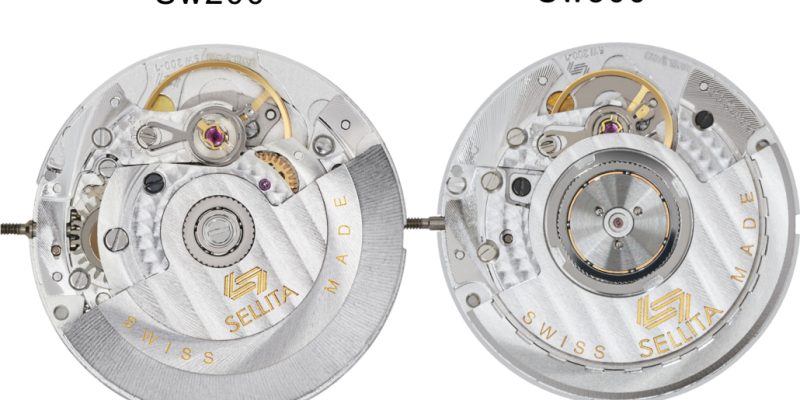
Sellita recognized the opportunity and began developing its own calibers based on expired ETA patents — the most famous being the SW200, modeled after the ETA 2824-2.
This move catapulted Sellita into the spotlight. Over the next two decades, the company expanded its product line and improved its designs, eventually producing millions of Sellita movements annually. By 2025, Sellita stands as a symbol of Swiss independence and innovation in horology.
How the Sellita Movement Works
To appreciate the Sellita movement, it helps to understand its mechanical process. Each movement is a small marvel of engineering, often consisting of over 150 tiny components working in perfect harmony.
Here’s a simplified look at how it works:
- Energy Storage: The mainspring inside the barrel stores energy when the watch is wound.
- Transmission: This energy moves through a series of gears and pinions known as the gear train.
- Regulation: The escapement releases energy in precise increments, keeping time consistent.
- Oscillation: The balance wheel oscillates back and forth, acting as the heartbeat of the movement.
- Display: The hands on the dial move in measured steps, translating mechanical motion into readable time.
The result is a smooth, rhythmic sweep of the second hand — one of the hallmarks of a high-quality Sellita movement.
Popular Sellita Calibers in 2025
Over the years, Sellita has introduced a wide range of calibers, each suited for specific functions and styles.
- SW200-1: One of Sellita’s most famous automatic movements, often compared to the ETA 2824-2. It features a 38-hour power reserve, 26 jewels, and a frequency of 28,800 vibrations per hour (vph).
- SW300-1: A thinner, more refined caliber designed for slimmer watches. It’s known for smoother operation and a 42-hour power reserve.
- SW330-2: A versatile GMT movement that allows tracking of multiple time zones, with a 56-hour power reserve.
- SW500: A robust chronograph movement based on the ETA 7750 design, offering precise timekeeping and durability.
- SW1000: A compact, in-house designed movement for smaller watches, featuring a 42-hour power reserve.
Each Sellita movement combines Swiss precision with reliability, making them an ideal choice for both large manufacturers and microbrands.
Sellita Movement vs ETA: The Comparison
The Sellita vs ETA debate is a recurring topic among watch collectors. Both are Swiss-made and offer similar architecture, yet there are distinct differences.
Both companies produce movements with automatic winding, date functions, and high-frequency regulation. However, Sellita movements tend to include one extra jewel (26 vs. 25), improving gear smoothness and reducing wear.
Sellita is also independent, while ETA belongs to the Swatch Group, which limits availability to outside brands. This independence makes Sellita a go-to supplier for countless non-Swatch watchmakers.
In real-world use, the Sellita movement performs nearly identically to ETA in accuracy and durability — with many watchmakers now preferring Sellita for its serviceability and open availability.
Why Watchmakers Love the Sellita Movement
Ask any experienced watchmaker, and they’ll tell you that a Sellita movement is a joy to work with.
Key reasons include:
- Reliability: The movements are known for long-term performance with minimal issues.
- Serviceability: Parts are widely available and easy to replace.
- Consistency: Every Sellita movement undergoes strict quality testing.
- Affordability: Offers excellent value without compromising precision.
- Adaptability: Easy for brands to customize with decorative rotors or branding.
Whether in a $700 microbrand diver or a $3,000 luxury automatic, Sellita movements deliver Swiss precision that’s both dependable and cost-effective.
The Engineering and Craftsmanship Behind Sellita
Each Sellita movement reflects decades of Swiss craftsmanship and technical innovation.
Sellita designs its movements to operate at 28,800 vibrations per hour, ensuring a smooth second-hand motion. The inclusion of 26 synthetic ruby jewels reduces friction across moving parts, enhancing both accuracy and longevity.
Many Sellita models also feature Incabloc shock protection, which safeguards the delicate balance wheel during impact. Combined with a power reserve of 38 to 56 hours (depending on the model), these movements offer the same performance you’d expect from far pricier calibers.
It’s this combination of engineering precision and accessible craftsmanship that makes the Sellita movement a modern watchmaking favorite.
Top Watch Brands Using Sellita Movements
The Sellita movement powers a diverse range of watches across the market — from boutique brands to respected Swiss names.
Some of the most recognized brands using Sellita include Oris, Sinn, Christopher Ward, Monta, Baume & Mercier, Eterna, and Formex. Even independent watchmakers appreciate Sellita’s transparency and consistent quality.
These brands often enhance Sellita calibers with customized rotors, finishing, and adjustments, resulting in unique yet reliable timepieces that honor Swiss mechanical tradition.
For collectors, seeing “Sellita SW200” or “SW300” on a watch’s specifications has become a mark of quality and dependability.
Future Innovations in Sellita Movements
Sellita isn’t just resting on its reputation — it’s continuously innovating.
Recent advancements include chronometer-certified movements for higher accuracy, anti-magnetic materials for improved resistance, and micro-rotor technology for slimmer cases.
The company is also extending power reserves to 70+ hours in newer models and incorporating silicon balance springs to enhance precision and longevity.
As of 2025, Sellita is one of the few independent Swiss manufacturers capable of delivering both mass production and bespoke engineering, securing its place as a long-term leader in movement design.
How to Identify a Genuine Sellita Movement
As Sellita movements have grown in popularity, counterfeit or unlicensed copies have surfaced. Knowing how to identify an authentic movement is essential for collectors.
Look for “SW” engravings and the full caliber number (e.g., SW200-1) clearly marked on the rotor or movement plate. Genuine Sellita calibers also feature high-quality finishing such as perlage, Geneva stripes, and polished screws.
Buying from authorized dealers and reputable watch brands ensures you’re getting an authentic Sellita movement built to Swiss standards.
Conclusion
The Sellita movement stands as a triumph of Swiss engineering — dependable, precise, and beautifully crafted. Once seen as a backup for ETA, it’s now an industry leader powering thousands of premium timepieces worldwide.
From its humble origins as an assembly partner to its modern-day independence, Sellita represents the essence of Swiss horology: tradition, innovation, and excellence.
Whether you’re a collector, watchmaker, or enthusiast, understanding how the Sellita movement works deepens your appreciation for the mechanical art ticking beneath every dial.
In 2025 and beyond, the Sellita movement continues to symbolize Swiss reliability and timeless craftsmanship — proving that true quality stands the test of time.
FAQs
1. What is a Sellita movement?
A Sellita movement is a Swiss-made mechanical or automatic movement known for reliability, accuracy, and use in both luxury and microbrand watches.
2. How accurate is the Sellita movement?
Standard Sellita movements are accurate within ±10 seconds per day, while chronometer-certified versions can achieve ±4 seconds or better.
3. Which watches use Sellita movements?
Brands like Oris, Sinn, Christopher Ward, and Baume & Mercier frequently use Sellita movements in their collections for dependable performance.
4. Is the Sellita movement better than ETA?
Both are excellent. The Sellita movement matches ETA in quality and often surpasses it in availability, flexibility, and affordability for independent brands.
5. How long does a Sellita movement last?
With proper maintenance every 4–6 years, a Sellita movement can last decades — making it one of the most durable Swiss calibers available.
Also read: Zero XE: The Next Generation of Electric Performance