



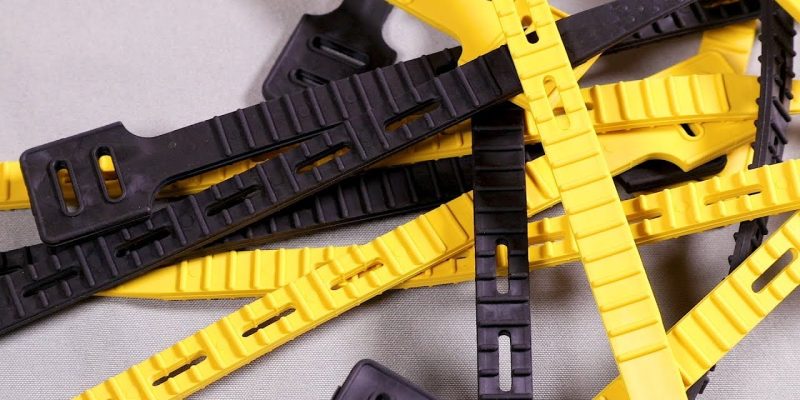
When it comes to organizing cables, tools, and equipment, flexibility and durability matter. That’s why rubber cable ties have become a favorite among electricians, DIY enthusiasts, and industrial professionals. They combine strength, elasticity, and reusability, making them a sustainable alternative to traditional plastic zip ties.
In this ultimate guide, you’ll learn 10 essential facts about rubber cable ties—their design, benefits, and practical applications—and how they can simplify your everyday tasks, whether at home, in the office, or on a job site.
What Are Rubber Cable Ties?
Rubber cable ties are flexible fasteners made from high-grade elastomeric rubber or silicone. Unlike standard nylon zip ties that lock permanently, rubber ties stretch, wrap, and secure items with reusable tension.
Their soft, elastic structure allows them to hold cables tightly without cutting or damaging insulation. They’re ideal for securing cords, hoses, or bundles where gentler grip and easy removal are needed.
Why Rubber Cable Ties Are Better Than Plastic Zip Ties
Traditional plastic zip ties are single-use; once you tighten them, they must be cut to remove. Rubber cable ties, on the other hand, are reusable, eco-friendly, and adjustable.
Key advantages include:
- Reusability: You can untie and retie them countless times.
- Flexibility: Perfect for irregular or delicate surfaces.
- Durability: Resistant to cracking, UV exposure, and extreme temperatures.
- Safety: Won’t damage cables or cause sharp edges.
In short, rubber ties combine the strength of zip ties with the gentleness of bungee cords.
The Materials Used in Rubber Cable Ties
High-quality rubber cable ties are typically made from EPDM rubber, silicone, or TPR (thermoplastic rubber).
Each material has unique benefits:
- EPDM: Excellent weather and ozone resistance, great for outdoor use.
- Silicone: Flexible and heat-resistant; ideal for electronics or kitchen applications.
- TPR: Combines the elasticity of rubber with the durability of plastic for general use.
These materials make rubber cable ties versatile across industries—from automotive wiring to garden maintenance.
Key Features That Make Rubber Cable Ties Unique
Several features make rubber cable ties stand out in cable management:
- Stretchable design – conforms to different shapes and bundle sizes.
- Reusable hooks or loops – allows multiple fastening cycles.
- Slip-resistant texture – provides secure grip even on smooth surfaces.
- Temperature tolerance – can handle −40 °C to 120 °C depending on material.
- Non-conductive – safe to use around electrical wires.
These qualities make them dependable fasteners in both home projects and industrial settings.
Common Applications of Rubber Cable Ties
The versatility of rubber cable ties means they can be used almost anywhere.
Here are some popular applications:
- Electronics: Managing wires behind TVs, computers, and gaming setups.
- Automotive: Bundling cables and hoses in engines or under dashboards.
- Home organization: Keeping kitchen cords, extension cables, or tools tidy.
- Gardening: Gently supporting plants or securing drip-irrigation lines.
- Industrial maintenance: Managing equipment cables, pipes, or air hoses.
Because they’re reusable and soft, they’re perfect for temporary or frequently adjusted setups.
How to Use Rubber Cable Ties Correctly
Using rubber cable ties is simple and efficient.
Follow these steps for the best results:
- Wrap the tie around the cables or objects you want to bundle.
- Stretch and secure it through the built-in loop or hook.
- Adjust the tension as needed—tight enough to hold, but not to crush.
- Release or reuse by unhooking rather than cutting.
This ease of use saves time and reduces waste, especially in projects requiring frequent adjustments.
Environmental Benefits of Rubber Cable Ties
Sustainability is a major reason people switch to rubber cable ties. Because they’re reusable and long-lasting, they significantly reduce plastic waste.
Instead of discarding dozens of single-use zip ties after every project, one rubber tie can replace hundreds of plastic ones over time. Many are made from recyclable or non-toxic materials, further reducing environmental impact.
Choosing the Right Size and Type
Rubber cable ties come in various lengths, thicknesses, and locking styles.
When selecting the right one:
- Small ties (4–6 inches): Ideal for electronics and office cords.
- Medium ties (8–12 inches): Great for household or vehicle use.
- Large ties (14 inches and above): Suitable for heavy-duty or outdoor tasks.
Some versions use hook-and-loop systems, others rely on self-locking stretch bands. Consider your project’s size, environment, and reusability needs before choosing.
Maintenance and Storage Tips
To ensure your rubber cable ties last as long as possible:
- Clean them regularly with mild soap and water.
- Avoid sharp edges that could cut the rubber surface.
- Store in a cool, dry place away from direct sunlight.
- Check for wear before reusing on electrical or heavy loads.
Proper maintenance prevents degradation and keeps them performing like new.
Cost and Value: Are Rubber Cable Ties Worth It?
While rubber cable ties may cost slightly more upfront than plastic ones, their longevity and reusability make them far more economical in the long run.
A single pack can last for years and replace hundreds of disposable ties. The flexibility and safety they provide around delicate equipment or expensive wiring also add hidden value.
For anyone who values efficiency, durability, and sustainability, investing in rubber cable ties is a smart move.
Conclusion
Rubber cable ties are more than just a convenient accessory—they’re a practical, sustainable solution for everyday organization. With their flexible design, reusability, and strength, they outperform traditional plastic zip ties in almost every way.
Whether you’re managing cables, securing garden tools, or organizing industrial equipment, rubber cable ties offer unmatched reliability and ease of use.
In short, these small, reusable fasteners pack a big punch—keeping your workspace neat, safe, and environmentally friendly.
FAQs
1. What are rubber cable ties used for?
They’re used to bundle, organize, or secure cables, wires, hoses, and other materials in homes, offices, and industrial settings.
2. Are rubber cable ties reusable?
Yes! Most rubber cable ties are designed for multiple uses. You can stretch, release, and retie them without damage.
3. Can rubber cable ties handle outdoor conditions?
High-quality versions made of EPDM or silicone are UV- and weather-resistant, perfect for outdoor or automotive applications.
4. Do rubber cable ties conduct electricity?
No. They are non-conductive and safe to use near electrical wires, making them ideal for electronic and electrical projects.
5. How long do rubber cable ties last?
With proper care and storage, good-quality rubber cable ties can last for several years without losing flexibility or strength.
Also read: Zoom Boom: The Rise of Remote Work and Digital Communication