


Grabbing a coffee to go has become a global habit. Every morning, millions of people line up at coffee shops for their favorite brew, often in a disposable cup. The convenience is undeniable—no need to carry a mug, no cleanup, and easy portability. Yet behind this daily ritual lies a significant environmental cost.
The disposable cup of coffee, once a symbol of modern efficiency, has turned into a major contributor to global waste and pollution. While the cup itself seems harmless, its production, use, and disposal have far-reaching consequences for ecosystems, wildlife, and climate change.
This article explores the environmental footprint of disposable coffee cups, why recycling them is so difficult, and how we can move toward sustainable alternatives without sacrificing convenience.
The Rise of the Disposable Coffee Culture
The culture of convenience began in the 20th century when fast-paced lifestyles led to the rise of takeout beverages. Coffee chains popularized the idea of grabbing a drink on the go, and disposable cups became a symbol of mobility and productivity.
Today, the world consumes an estimated 250 to 300 billion disposable coffee cups every year. Most of these are used once and thrown away within minutes. What started as a convenience has evolved into a massive environmental issue.
The reality is that every cup, lid, and sleeve contributes to waste accumulation, carbon emissions, and resource depletion.
What Makes Disposable Coffee Cups Harmful?
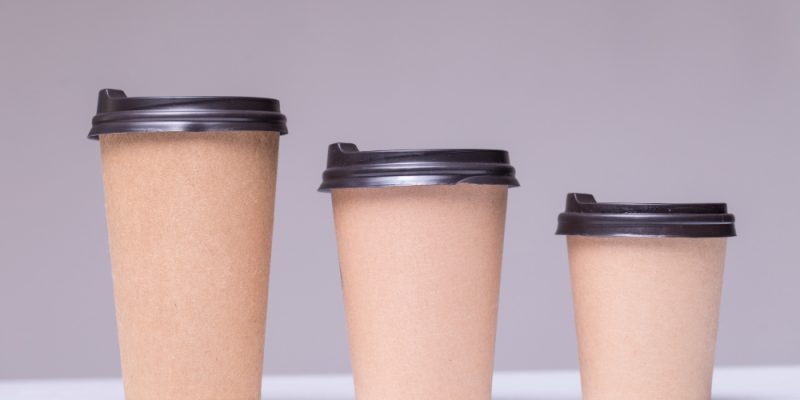
At first glance, a paper coffee cup looks eco-friendly. However, most disposable cups are not purely made of paper. To make them waterproof and heat-resistant, they are lined with a thin layer of plastic polyethylene.
This coating prevents liquids from leaking but also makes recycling difficult. When combined with the plastic lid and sleeve, each cup becomes a complex waste item that most recycling facilities cannot process.
As a result, billions of cups end up in landfills or incinerators every year, where they take decades to decompose, releasing harmful chemicals and microplastics into the environment.
The Scale of the Problem
Globally, disposable coffee cups generate an enormous amount of waste. For example, in countries like the United Kingdom, over 2.5 billion cups are thrown away annually, with less than one percent being successfully recycled.
In the United States, coffee drinkers discard over 50 billion cups each year, contributing to plastic pollution and carbon emissions.
Even though the cups seem light and small, their combined environmental footprint is staggering when considering manufacturing, transportation, and disposal. Each stage leaves behind greenhouse gases, deforestation, and pollution.
The Hidden Carbon Footprint of a Coffee Cup
Producing disposable cups requires large amounts of energy, water, and raw materials. The paper used in these cups often comes from virgin wood pulp, meaning trees must be cut down.
The production process involves:
- Harvesting trees and processing wood into pulp
- Manufacturing the paper and plastic lining
- Assembling and transporting cups globally
Each step consumes energy and emits carbon dioxide. A single paper cup with a plastic lid can have a carbon footprint of up to 60 grams of CO₂ equivalent, depending on production methods.
Multiply that by billions, and it’s clear why disposable cups are a hidden contributor to climate change.
Why Recycling Disposable Cups Is So Difficult
While many coffee cups carry a recycling symbol, very few actually end up being recycled. The reason lies in their mixed material composition.
Recycling facilities are designed to handle either paper or plastic—not both fused together. The plastic lining must be separated from the paper, which requires specialized equipment available in only a few recycling plants worldwide.
Most cups that enter general recycling bins contaminate other materials, leading to entire batches being sent to landfills instead. Even compostable or biodegradable cups require specific conditions to break down properly—conditions not found in most municipal systems.
In short, the infrastructure to handle disposable cup waste simply doesn’t exist at scale.
Environmental Impact on Land and Water
When disposable cups are thrown away, they often end up in landfills or littered in streets, parks, and waterways. The plastic lining and lids break down into microplastics, tiny particles that persist in the environment for decades.
These microplastics contaminate soil and water, harming wildlife that mistake them for food. Marine animals such as fish, turtles, and seabirds often ingest these particles, which can cause injury or death.
Even when incinerated, disposable cups release carbon dioxide and toxic fumes, contributing to air pollution and global warming. The environmental cost extends far beyond the momentary convenience of a takeaway drink.
The Myth of Compostable Cups
To address growing environmental concerns, some coffee chains have introduced compostable or biodegradable cups. While this seems like a positive step, it is not a perfect solution.
Compostable cups require industrial composting facilities that maintain specific temperatures and conditions. If they end up in regular trash or home compost, they decompose very slowly—similar to traditional cups.
Moreover, labeling a cup “biodegradable” can create a false sense of security, encouraging continued single-use habits rather than fostering long-term sustainability.
Real change requires reducing waste at the source, not simply substituting materials.
Reusable Cups: A Sustainable Alternative
The most effective solution is simple—reusable cups. Using a personal coffee mug or thermos drastically reduces waste and environmental impact. Many coffee shops now encourage this practice by offering discounts for customers who bring their own cups.
A reusable cup made of stainless steel, glass, or bamboo can replace hundreds of disposable ones over its lifetime. The initial manufacturing impact of a reusable cup is offset after as few as 15 to 20 uses.
Small lifestyle changes like this can make a big difference when adopted widely.
What Coffee Shops and Businesses Can Do
Businesses play a key role in reducing disposable cup waste. Coffee chains and cafes can take several steps to promote sustainability, such as:
- Offering discounts or loyalty rewards for reusable cup users
- Providing in-store mugs for dine-in customers
- Partnering with recycling programs for specialized cup recovery
- Educating customers about waste reduction
Several major brands have already begun phasing out single-use cups in favor of deposit-and-return systems, where customers borrow a cup and return it for cleaning and reuse.
Corporate responsibility, paired with consumer awareness, can drive systemic change in the coffee industry.
How Consumers Can Make a Difference
Change starts with individual choices. As consumers, small daily decisions add up to meaningful impact. Here are a few ways to reduce your environmental footprint:
- Carry a reusable coffee cup or thermos
- Choose dine-in options whenever possible
- Support coffee shops that use sustainable practices
- Recycle properly and separate waste correctly
- Encourage friends and family to adopt eco-friendly habits
Each time you skip a disposable cup, you help reduce waste, save resources, and set an example for others. Convenience should never come at the cost of the planet.
Conclusion
The disposable cup of coffee represents more than just a morning ritual—it symbolizes the broader issue of convenience versus sustainability. While single-use cups offer ease and speed, they come with hidden environmental costs that can no longer be ignored.
From deforestation and carbon emissions to plastic pollution, every cup contributes to a growing global problem. The good news is that solutions already exist. Reusable cups, recycling innovations, and responsible consumer behavior can dramatically reduce waste.
By making conscious choices, we can enjoy our favorite coffee without harming the environment. The next time you grab a coffee to go, remember: real convenience is found in sustainability, not disposability.
FAQs
1. Why are disposable coffee cups bad for the environment?
Most disposable coffee cups are lined with plastic, making them hard to recycle. They contribute to landfill waste, pollution, and carbon emissions.
2. Are paper coffee cups recyclable?
Technically, yes—but only in facilities equipped to separate the plastic lining from the paper. Most local recycling centers cannot process them effectively.
3. What is the best alternative to disposable coffee cups?
Reusable cups made from stainless steel, glass, or bamboo are the most sustainable options. They reduce waste and can be used for years.
4. Do compostable coffee cups really decompose?
Only under industrial composting conditions. In normal landfills or home compost bins, they break down very slowly, similar to regular cups.
5. How can I help reduce disposable cup waste?
Carry your own cup, choose dine-in options, and support businesses with eco-friendly policies. Encouraging others to do the same also helps create collective impact.
Also read: 10 Fun Book Club Games to Make Your Meetings More Exciting