


In the world of renewable energy, finding a durable and reliable battery system is just as important as generating electricity. While lithium-ion batteries dominate the consumer market, many energy-conscious homeowners, businesses, and off-grid enthusiasts are turning to an alternative: the Iron Edison battery.
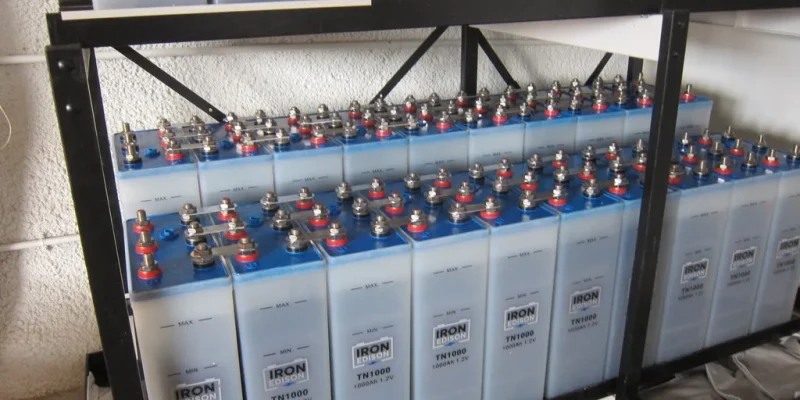
Iron Edison specializes in nickel-iron (NiFe) and lithium iron phosphate (LiFePO4) batteries designed for solar, wind, and backup power applications. Known for their extraordinary lifespan, safety, and resilience, these batteries provide a long-term solution for anyone seeking reliable energy storage.
This article dives deep into Iron Edison batteries—their history, chemistry, advantages, disadvantages, costs, and why they are becoming a popular choice for sustainable energy users.
The History of Iron Edison Batteries
The technology behind Iron Edison batteries dates back more than a century.
- Invented by Thomas Edison in 1901, the nickel-iron (NiFe) battery was designed as a rugged, long-lasting energy storage system.
- These batteries were commonly used in railway signaling, early electric cars, and backup systems due to their resilience.
- Unlike lead-acid batteries, NiFe cells could last decades with minimal degradation.
Today, Iron Edison, a Colorado-based company, has revived and modernized this technology while also offering lithium-based alternatives.
Types of Iron Edison Batteries
Iron Edison produces two primary types of batteries:
Nickel-Iron (NiFe) Batteries
- Extremely long lifespan (30+ years)
- Tolerant of overcharging and deep discharging
- Works well in off-grid solar applications
- Environmentally friendly with recyclable components
Lithium Iron Phosphate (LiFePO4) Batteries
- More compact and energy-dense than NiFe
- 5,000 – 10,000 cycle lifespan
- High efficiency (up to 98%)
- Excellent for grid-tied solar and backup systems
Both battery types are tailored to different user needs—NiFe for durability and lifespan, LiFePO4 for high efficiency and space savings.
How Iron Edison Batteries Work
Nickel-Iron Battery Chemistry
- Positive Electrode: Nickel hydroxide
- Negative Electrode: Iron
- Electrolyte: Potassium hydroxide solution
When charging, nickel ions store energy while iron oxidizes. On discharge, the reaction reverses, releasing stored electricity.
Lithium Iron Phosphate Chemistry
- Uses lithium ions moving between electrodes
- Highly stable structure prevents overheating
- Safer and longer-lasting than traditional lithium-ion cells
Key Benefits of Iron Edison Batteries
Choosing Iron Edison means prioritizing longevity, safety, and sustainability.
Unmatched Lifespan
- NiFe batteries can last 30–40 years or more.
- LiFePO4 batteries deliver up to 10,000 cycles.
Durability and Reliability
- Withstand extreme charging/discharging.
- Operate in hot and cold climates.
- Ideal for off-grid solar in remote locations.
Environmentally Friendly
- Non-toxic components (iron, nickel, potassium hydroxide).
- Fully recyclable, unlike many lithium-ion batteries.
Safe Operation
- No risk of thermal runaway or fire.
- Can be deeply discharged without permanent damage.
Low Maintenance
- Minimal degradation over time.
- Simple water refills required for NiFe batteries.
Drawbacks of Iron Edison Batteries
No battery is perfect, and Iron Edison systems have some trade-offs.
- Lower Efficiency (NiFe): Around 65–80%, compared to 95–98% for lithium-ion.
- Higher Upfront Cost: Long-term savings offset this, but initial investment is significant.
- Size and Weight: NiFe batteries are bulky compared to lithium alternatives.
- Regular Maintenance: NiFe systems require occasional electrolyte checks and water refills.
Applications of Iron Edison Batteries
Iron Edison batteries are ideal for a wide range of uses:
- Off-Grid Solar Homes – Perfect for cabins, homesteads, and rural areas.
- Commercial Renewable Energy Systems – Long lifespan reduces replacement costs.
- Backup Power Systems – Reliable during grid outages.
- Industrial Energy Storage – Handles heavy cycling and demanding conditions.
- Remote Telecom & Infrastructure – Low maintenance and resilience make them a good fit.
Cost of Iron Edison Batteries
The cost of an Iron Edison battery system depends on capacity, chemistry, and installation.
- NiFe Systems: $8,000 – $30,000+ depending on size.
- LiFePO4 Systems: $5,000 – $20,000+ depending on energy storage capacity.
While upfront costs are higher, the extraordinary lifespan often makes Iron Edison batteries more cost-effective than lead-acid or lithium-ion over time.
Iron Edison vs. Other Battery Technologies
| Feature | Iron Edison NiFe | Iron Edison LiFePO4 | Lead-Acid | Standard Lithium-Ion |
| Lifespan | 30–40 years | 10–15 years | 3–7 years | 5–10 years |
| Efficiency | 65–80% | 95–98% | 70–85% | 90–95% |
| Safety | Very Safe | Very Safe | Moderate | Risk of overheating |
| Maintenance | Low (water refills) | Minimal | Moderate | Low |
| Upfront Cost | High | Moderate-High | Low | Moderate |
| Eco-Friendliness | Excellent | Good | Moderate | Poor |
This table highlights why Iron Edison batteries are considered premium, long-term solutions.
Why Choose Iron Edison for Renewable Energy?
- Trusted Brand: U.S.-based company with excellent customer support.
- Proven Technology: Modern updates to Edison’s original NiFe design.
- Custom Solutions: Tailored systems for homes, businesses, and industrial users.
- Sustainability: Prioritizes environmentally responsible manufacturing.
Customer Success Stories
Off-Grid Homesteads in Colorado
Families running solar-powered homes in remote areas have reported decades-long performance from Iron Edison’s NiFe batteries.
Commercial Installations in California
Businesses seeking reliable backup power during rolling blackouts use Iron Edison LiFePO4 batteries for high efficiency and long-term savings.
The Future of Iron Edison Batteries
With growing demand for renewable energy storage, Iron Edison continues to innovate. Future advancements may include:
- More compact NiFe designs.
- Further efficiency improvements.
- Integration with smart-grid systems.
As energy independence becomes more important, Iron Edison batteries are positioned as a leading long-term solution.
Conclusion
The Iron Edison battery stands out as one of the most reliable and sustainable energy storage options available today. Whether you’re powering an off-grid cabin, securing backup electricity for your business, or investing in renewable energy, Iron Edison offers unmatched durability, eco-friendliness, and safety.
While the upfront cost is higher, the long-term benefits—30+ year lifespan, low maintenance, and proven reliability—make Iron Edison batteries a smart investment for the future of clean energy.
FAQs
1. How long do Iron Edison batteries last?
Nickel-iron (NiFe) models can last 30–40 years, while lithium iron phosphate (LiFePO4) versions typically last 10–15 years.
2. Are Iron Edison batteries safe?
Yes. Both NiFe and LiFePO4 batteries are extremely safe with no risk of thermal runaway or fire.
3. How much do Iron Edison batteries cost?
Prices range from $5,000 to over $30,000, depending on system size and chemistry.
4. Do Iron Edison batteries require maintenance?
NiFe batteries need occasional water refills, while LiFePO4 options are virtually maintenance-free.
5. Are Iron Edison batteries worth it compared to lithium-ion?
For users seeking maximum lifespan, sustainability, and reliability, Iron Edison batteries often outperform standard lithium-ion despite higher upfront costs.
Also read: Sesame Maya: A Complete Guide to This Nutritious Sesame-Based Superfood