



Cocaine use remains a serious public health issue in the United States and around the world. According to the National Institute on Drug Abuse (NIDA), millions of people report using cocaine each year, with many developing dependence or addiction.
While the effects of cocaine can sometimes be hidden, one of the clearest warning signs is the presence of cocaine accessories—items used to prepare, store, or consume the drug. For parents, educators, and employers, recognizing these items is a critical first step in addressing possible substance use and providing support.
This guide explains:
- How to identify cocaine accessories look like
- Why they’re used
- Warning signs of cocaine use
- Steps to take if you suspect cocaine involvement
- Treatment and recovery resources
What Are Cocaine Accessories?
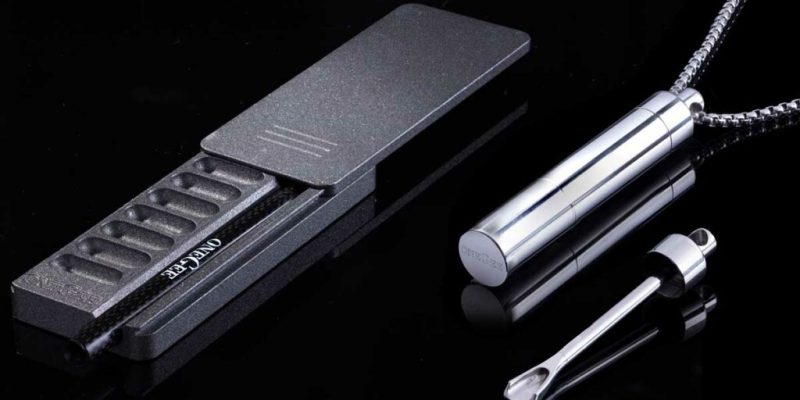
Cocaine accessories (also called drug paraphernalia) are everyday objects that have been adapted or purchased specifically to use, conceal, or distribute cocaine. While many of these items may seem harmless on their own, in combination—or in the wrong context—they can signal drug use.
Recognizing these objects can help identify potential problems early.
Common Cocaine Accessories
Small Bags or Wrappers
- Tiny plastic baggies, folded paper, or aluminum foil packets are often used to store cocaine powder.
- Sometimes they contain a fine white residue.
Razor Blades, Credit Cards, or Gift Cards
- These flat, rigid items are commonly used to cut cocaine powder into “lines” for snorting.
Mirrors or Flat Surfaces
- Small hand mirrors, glass trays, or other flat objects are often used as a surface for preparing lines.
Straws, Hollow Pens, or Rolled-Up Bills
- These act as snorting tools. They may show signs of powder residue or discoloration.
Spoons and Small Metal Tools
- Sometimes used to measure or handle cocaine powder.
- Burn marks on spoons can indicate heating cocaine with other substances.
Pipes
- Small glass or metal pipes may be used for smoking cocaine in its “crack” form.
- Often show burn marks or residue inside.
Needles and Syringes
- Less common, but some people dissolve cocaine in water and inject it.
- Presence of syringes without a medical reason can be a red flag.
Physical Signs That Accompany Accessories
Recognizing accessories is important, but noticing changes in behavior or physical health can provide additional context. Warning signs include:
- Frequent nosebleeds or sniffing
- Burned lips or fingers
- Dilated pupils and restlessness
- Rapid weight loss
- Mood swings, irritability, or hyperactivity
- Unexplained financial problems
Why People Use Cocaine Accessories
Cocaine accessories exist because of the different methods of ingestion:
- Snorting – Most common method, requiring straws or rolled paper.
- Smoking – Crack cocaine is smoked using pipes.
- Injecting – Requires needles, though less frequent.
Each method carries severe health risks, from nasal damage and lung disease to bloodborne infections.
Risks of Cocaine Use
Understanding the risks can help parents and educators communicate the seriousness of cocaine use:
- Short-Term Risks: Euphoria, increased energy, but also anxiety, paranoia, and irregular heartbeat.
- Long-Term Risks: Addiction, cardiovascular disease, nasal collapse, and neurological damage.
- Legal Risks: Possession of cocaine or cocaine accessories is illegal and may result in criminal charges.
What To Do if You Find Cocaine Accessories
If you discover suspicious items, it’s important to respond thoughtfully.
Stay Calm and Objective
Avoid accusations. Focus on facts and your concern for the person’s well-being.
Document What You Find
Note the type of accessory, location, and any physical evidence of cocaine residue.
Have a Conversation
For parents: approach your child in a supportive, non-confrontational way.
For educators/employers: follow institutional policies when addressing suspected drug use.
Seek Professional Help
Encourage evaluation by a doctor or counselor. Addiction treatment centers can provide structured support.
Prevention Strategies
For Parents
- Talk openly with children about drugs early on.
- Set clear rules and expectations about substance use.
- Model healthy coping strategies.
For Schools
- Implement drug education programs.
- Provide counseling resources.
- Train teachers to recognize warning signs.
For Employers
- Create a drug-free workplace policy.
- Offer Employee Assistance Programs (EAPs).
- Provide confidential support for workers seeking help.
Treatment and Recovery Resources
Cocaine addiction is treatable. Resources include:
- Behavioral Therapy – Cognitive Behavioral Therapy (CBT) and contingency management are proven methods.
- Support Groups – Cocaine Anonymous and Narcotics Anonymous provide community support.
- Rehabilitation Programs – Inpatient or outpatient rehab centers offer structured care.
- Hotlines – The SAMHSA Helpline (1-800-662-HELP) offers 24/7 free and confidential assistance.
SEO Best Practices for Awareness Articles
To maximize reach, an educational article about cocaine accessories should target keywords like:
- cocaine paraphernalia signs
- how to spot cocaine use
- cocaine addiction warning signs
- cocaine accessories parents should know
Including these keywords naturally throughout the article helps it rank well in search engines while maintaining clarity for human readers.
Conclusion
Cocaine use is a serious issue that affects families, schools, and workplaces. By learning to recognize cocaine accessories and paraphernalia, parents, teachers, and employers can spot early warning signs of drug use and take action before problems escalate.
The presence of these items should never be ignored. Instead, it should serve as a signal to open a conversation, provide support, and connect individuals to treatment and recovery resources.
Education and awareness are powerful tools in the fight against addiction—and recognizing the signs is the first step toward helping someone reclaim their health and future.
FAQs
1. What do cocaine accessories look like?
They may include small baggies, straws, rolled paper, spoons, or glass pipes—often with white residue or burn marks.
2. Can everyday items be considered cocaine paraphernalia?
Yes. Items like credit cards, pens, or aluminum foil may seem harmless but can be adapted for drug use.
3. Is possession of cocaine accessories illegal?
Yes. In most regions, possession of paraphernalia with intent to use drugs is illegal.
4. How can parents talk to teens about cocaine use?
Approach with concern, not judgment. Use facts, express care, and encourage open dialogue.
5. What should employers do if they suspect an employee is using cocaine?
Follow workplace policies, document evidence, and provide confidential access to support programs.
Also read: Turbo Vado SL: The Ultimate Lightweight Electric Bike for Commuting and Fitness