


Today, Automated Teller Machines (ATMs) are everywhere—on street corners, in malls, airports, and banks. They’ve become essential for 24/7 banking, allowing users to withdraw cash, check balances, and deposit funds without a teller.
But have you ever wondered: When did ATMs come out? Who invented them? And how have they evolved?
In this article, we’ll explore:
- The exact year ATMs were first introduced
- The key inventors and companies behind ATM technology
- The evolution of ATMs over the decades
- How ATMs have shaped the future of banking
When Did ATMs Come Out? The First ATM in History
The first ATM (Automated Teller Machine) came out on June 27, 1967, in London, England.
- Bank: Barclays Bank
- Location: Enfield Town, North London
- Inventor: John Shepherd-Barron
- Manufacturer: De La Rue Instruments
- Function: Cash dispenser using a special paper voucher
This first-generation ATM could only dispense a fixed amount of cash (£10) and required a single-use coded voucher issued by the bank.
The First ATM in the United States
- Date: September 2, 1969
- Location: Chemical Bank, Rockville Centre, New York
- Notable Quote: “On Sept. 2, our bank will open at 9:00 and never close again.”
- Inventor: Donald Wetzel, working with Docutel Corporation
This U.S. ATM was the first to use a magnetic-striped card, paving the way for modern ATM usage.
Key Milestones in ATM Development
| Year | Innovation |
| 1967 | First ATM (Barclays, UK) using voucher system |
| 1969 | First U.S. ATM using magnetic card (Chemical Bank) |
| 1973 | First networked ATM system developed in the U.S. |
| 1977 | Citibank installs ATMs across NYC to beat competition |
| 1980s | Widespread adoption; interbank networks like Cirrus and Plus emerge |
| 1990s | Deposit-enabled ATMs introduced |
| 2000s | Touchscreens and envelope-free deposits added |
| 2010s | Mobile-connected ATMs with biometric verification appear |
Who Invented the ATM?
While several inventors contributed to ATM development, the title is often shared among:
- John Shepherd-Barron (UK): Proposed the idea of a 24/7 cash dispenser to Barclays
- Luther George Simjian (USA): Filed early patents for a “Bankograph” in the 1950s (rarely used)
- Donald Wetzel (USA): Credited with developing the first true ATM prototype using modern card technology
So, when did ATMs come out officially?
1967 is recognized as the official debut of ATM machines globally.
How ATMs Changed Banking Forever
ATMs transformed personal finance by offering:
- 24/7 access to cash
- Reduced lines at banks
- Faster, more convenient service
- Global access to funds via interbank networks
They also laid the foundation for:
- Online banking
- Card-based transactions
- Mobile banking and self-service kiosks
ATM Statistics and Facts (as of 2025)
- Over 3.1 million ATMs worldwide
- ATMs process over 100 billion transactions annually
- More than 80% of global ATM withdrawals are still cash-based
- The largest ATM operator: Cardtronics (acquired by NCR)
Modern ATMs: Features in 2025
Today’s ATMs are smarter than ever. Modern features include:
- Biometric authentication (fingerprint, facial recognition)
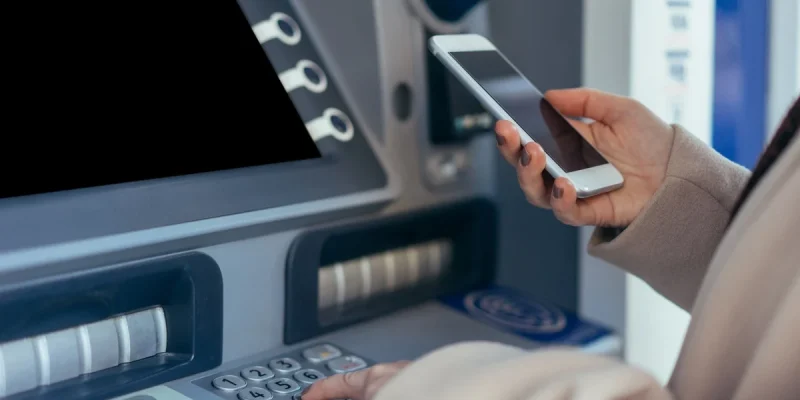
- NFC-enabled withdrawals (use smartphones, no card required)
- Multi-currency dispensing for travelers
- Video chat customer support
- QR code scanning for mobile banking apps
Are ATMs Still Relevant in the Digital Age?
Yes. Despite the rise of mobile payments, ATMs continue to serve important roles:
- Cash access for people without mobile payment tools
- Essential services in rural and underbanked areas
- Secure withdrawals for travelers and emergencies
- Deposit services for small businesses and freelancers
Conclusion
To answer the question, “When did ATMs come out?”—they first launched in 1967 in the UK and arrived in the U.S. in 1969. What started as a simple cash dispenser has become a vital part of global banking infrastructure.
Even in a digital-first world, ATMs continue to provide secure, accessible financial services across continents. And with AI, biometrics, and mobile integration, the future of ATM technology looks even more innovative.
FAQs
1. When was the first ATM introduced?
The first ATM came out in June 1967 at Barclays Bank in London.
2. Who invented the ATM?
John Shepherd-Barron (UK) and Donald Wetzel (USA) are credited as key inventors.
3. When did ATMs become common in the U.S.?
ATMs gained popularity in the late 1970s and exploded in use during the 1980s.
4. Are ATMs still used in 2025?
Yes. ATMs remain essential, especially in cash-based economies and for convenience banking.
5. Can you use ATMs without a card today?
Yes. Many ATMs now support cardless withdrawals via mobile apps or biometric ID.
Also read: Boost Morale Meaning: What It Is, Why It Matters, and How to Do It Right