



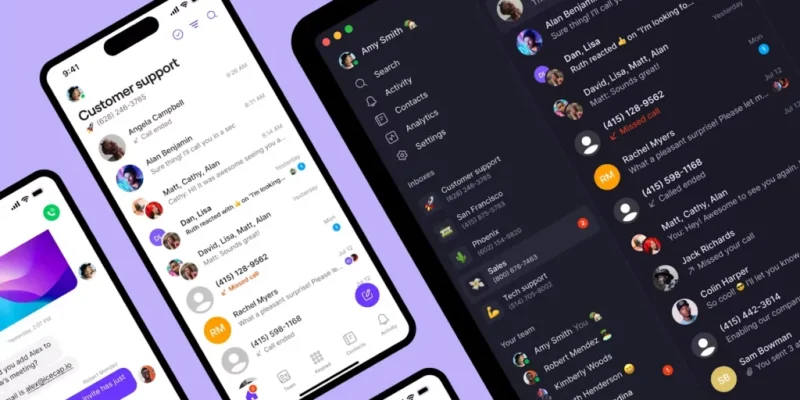
In today’s connected world, choosing the right type of phone number is essential for business branding, customer trust, and communication efficiency. Two of the most common options are a local number and toll free number—each offering unique advantages.
Whether you’re a local service provider or a nationwide eCommerce brand, understanding the difference between these options will help you make smarter decisions for customer support, sales, and marketing.
What Is a Local Number?
A local phone number is a number that is tied to a specific geographic area code (e.g., 212 for New York, 310 for Los Angeles). It creates the perception that your business is based in or serves that community.
Benefits of a Local Number:
- Builds local trust and familiarity
- Great for local SEO and Google My Business listings
- Encourages calls from nearby customers
- Cost-effective for small businesses
- Easily integrated with VoIP and virtual phone systems
Example: A real estate agent in Dallas may use a 214 area code to appeal to local clients.
What Is a Toll-Free Number?
A toll-free number is a phone number that customers can call without being charged. The business pays for the call instead. These numbers typically begin with 800, 888, 877, 866, 855, 844, or 833.
Benefits of a Toll-Free Number:
- Enhances national or international credibility
- Makes your business appear larger and more established
- Useful for customer service, order lines, or support desks
- Easier to remember for advertising and branding
- Encourages longer customer calls with no cost to them
Example: A national eCommerce brand may use 1-800-GET-GEAR for nationwide support.
Local Number vs. Toll-Free Number: Key Differences
| Feature | Local Number | Toll-Free Number |
| Geographic association | Tied to a city or region (area code) | National/Non-regional (e.g., 800, 888) |
| Customer perception | Local, approachable | Professional, established |
| Caller cost | Regular charges apply | Free for caller, business pays |
| Best for | Local service providers | Nationwide or multi-location businesses |
| Marketing use | Local SEO, regional advertising | Broad marketing campaigns, 800 branding |
Which One Should Your Business Use?
Choose a Local Number If You:
- Serve a specific region or city
- Want to rank higher in local search results
- Need to build local trust
- Have a physical storefront or office
Choose a Toll-Free Number If You:
- Offer nationwide or global services
- Have a dedicated support or sales line
- Want to appear more established or “corporate”
- Advertise across multiple regions or media
Pro Tip: Many businesses use both. Route local calls to your local number and national calls to your toll-free line—all within one VoIP or cloud-based system.
Business Use Cases for Each Number Type
| Industry | Local Number Best For | Toll-Free Number Best For |
| Home Services (HVAC, Plumbing) | Local credibility and rapid trust | Booking regional jobs via national campaigns |
| eCommerce | Local warehouse/pickup lines | Nationwide customer service line |
| Legal/Consulting | Local law firm presence | Free consultation line for inbound leads |
| SaaS/Tech Support | Office phone or team extensions | Centralized support for clients across regions |
How to Get a Local or Toll-Free Number
- Choose a provider:
VoIP services: Grasshopper, RingCentral, Ooma, Google Voice
Telecom providers: AT&T, Verizon, Twilio
Virtual number apps: OpenPhone, Sideline, Nextiva
- Pick your number:
Search for a specific area code (for local)
Choose a vanity number or random toll-free digits
- Port or forward your number:
Easily route incoming calls to mobile, office phones, or CRM tools
- Set up voicemail, call routing, and extensions:
Use auto-attendant features to handle calls professionally
SEO Keyword Strategy
| Keyword | Placement |
| Local number and toll free number | Title, meta, intro, comparison sections |
| Toll-free vs local number | Subheading, key differences table |
| Business phone number options | Introduction and buying guide |
| Virtual phone systems | Setup and provider sections |
| Toll-free business line | National branding and marketing sections |
Internal Linking Ideas:
- “How to set up a virtual phone system for your business”
- “Best VoIP providers for small businesses in 2024”
- “Why your Google My Business listing needs a local number”
- “How to get a vanity toll-free number for branding”
Conclusion
Choosing between a local number and toll-free number depends on your audience, marketing strategy, and brand image. Local numbers offer geographic trust and SEO value, while toll-free numbers enhance your national presence and professionalism.
Many businesses find success using both—and with modern phone systems, managing multiple numbers has never been easier.
FAQs
1. Can I have both a local and toll-free number?
Yes! Many businesses use both to appeal to local and national customers. Call routing tools make managing multiple numbers easy.
2. Are toll-free numbers free for businesses?
No. The business pays the cost of each incoming call, but it’s a great way to improve customer experience and brand trust.
3. Will a local number help with SEO?
Absolutely. Local numbers are crucial for local SEO, especially in Google Business Profiles and location-based searches.
4. Can I forward my toll-free number to my cell phone?
Yes. Most virtual and VoIP providers allow call forwarding to mobile, landlines, or teams.
5. What’s a vanity toll-free number?
A custom 800 number that spells out something brandable—like 1-800-FLOWERS or 1-888-BOOK-NOW.
Also read: Best POS System for Small Business in 2024: Top Features, Reviews & Recommendations