


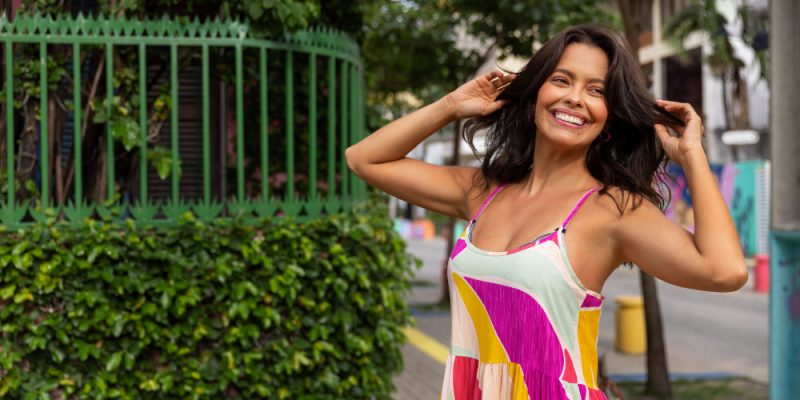
Summer in Brazil is an electrifying experience. The skies are sunny, the beaches are buzzing, and the streets come alive with some of the world’s most colorful and high-energy festivals. From internationally renowned events like Carnival to regional celebrations steeped in tradition, Brazil’s summer calendar is packed with vibrant, diverse festivities that reflect the country’s joyful spirit and cultural richness.
Whether you’re into music, dance, tradition, or simply soaking up good vibes, these 10 vibrant festivals will make your summer in Brazil unforgettable.
1. Rio de Janeiro Carnival – The Greatest Show on Earth
When people think of summer in Brazil, Carnival is the first thing that comes to mind. Held in February or early March, depending on Easter, this world-famous festival transforms Rio de Janeiro into a riot of color, music, and movement.
Highlights:
Dazzling samba parades at the Sambadrome.
Street parties (blocos) in every neighborhood.
Elaborate costumes and nonstop dancing.
Why you can’t miss it: It’s the ultimate celebration of Brazilian culture and energy. Carnival in Rio is truly an experience of a lifetime.
2. Salvador Carnival – Afro-Brazilian Beats and Street Energy
While Rio’s Carnival is more theatrical, Salvador in Bahia offers a raw, street-level experience driven by Afro-Brazilian rhythms and cultural pride. The city’s summer Carnival is one of the largest in the world in terms of crowd size.
What to Expect:
Trio elétrico trucks with live bands moving through the streets.
Axé music, samba-reggae, and African drumming.
Inclusive energy—locals and tourists dance side by side.
Don’t miss: Following a bloco like Olodum or Ilê Aiyê, where music meets social activism and African heritage.
3. Parintins Folklore Festival – Amazonian Culture Comes Alive
Held in late June in the Amazonas state, Festival de Parintins isn’t technically in the summer months but often overlaps with Brazil’s school holidays. It’s worth including for its theatrical scale and cultural uniqueness.
Key Features:
A battle between two folkloric bulls: Caprichoso (blue) and Garantido (red).
Massive floats, costumes, and Amazonian myth-themed performances.
Tribal chants, dances, and jungle-inspired visuals.
Why it stands out: It’s like watching a Broadway show infused with indigenous Amazonian traditions.
4. Réveillon – New Year’s Eve on Copacabana Beach
One of the most epic New Year’s Eve celebrations in the world, Réveillon in Rio de Janeiro is a spiritual, musical, and visual feast. Over two million people gather on Copacabana Beach, dressed in white for good luck.
Festive Elements:
Fireworks over the ocean at midnight.
Live music stages along the beach.
Candomblé rituals offering flowers to the sea goddess Yemanjá.
Pro tip: Book early if you want a beachside hotel room with a view of the fireworks.
5. Lavagem do Bonfim – A Sacred Summer Procession in Salvador
Celebrated in mid-January, Lavagem do Bonfim is one of Salvador’s most important religious and cultural festivals. Thousands join a procession from Conceição da Praia Church to Bonfim Church, a walk of about 8 km.
What Makes It Special:
Women in traditional Bahian white dresses wash the church steps with scented water.
Singing, drumming, and dancing throughout the streets.
A beautiful blend of Catholic and Afro-Brazilian spiritual practices.
Cultural insight: It’s a deeply meaningful event combining faith, community, and joy.
6. Festa de Iemanjá – Honoring the Goddess of the Sea
Held on February 2nd, particularly in Salvador and Rio, this festival pays homage to Iemanjá, the Afro-Brazilian goddess of the sea. Devotees offer gifts like flowers, perfume, and jewelry by the ocean.
Where to Experience It:
Rio Vermelho Beach in Salvador.
Coastal neighborhoods in Rio like Copacabana and Niterói.
Don’t miss: The sight of boats being launched with offerings to Iemanjá is both spiritual and photogenic.
7. Rec-Beat – Brazil’s Underground Music Gem
While Carnival dominates the mainstream, Rec-Beat in Recife offers a more alternative music experience during the same period. Set along the Capibaribe River, it features indie rock, electronic, hip-hop, and experimental Brazilian genres.
Festival Vibe:
Free entry.
Young, artsy crowd.
Breaks the mold of traditional Carnival sounds.
Ideal for: Travelers who want to dive into Brazil’s cutting-edge music scene during summer.
8. Festival de Verão de Salvador – Summer Music Marathon
This Summer Festival of Salvador is usually held in January and brings together the best of Brazilian music—from samba and axé to pop and funk. It’s one of the country’s biggest multi-day music festivals.
Main Attractions:
Performances by top Brazilian artists.
Huge stages and light shows.
Beach parties before and after the shows.
Who will love it: Music lovers looking for a Brazilian Coachella vibe.
9. São Sebastião Festival – Devotion and Celebration in Rio
Taking place on January 20th, this festival celebrates Saint Sebastian, Rio’s patron saint. It blends religious observance with secular celebration, attracting both faithful Catholics and party-goers.
Highlights:
A traditional mass and religious procession through the city.
Fireworks and music in the evening.
Community feasts and neighborhood parties.
Cultural angle: It reflects the strong Catholic identity woven into Brazilian celebrations.
10. Festival de Verão de Ilhabela – Island Summer Festivities
If you’re looking for a more relaxed festival atmosphere, head to Ilhabela, an island near São Paulo. During January and February, it hosts Festival de Verão, featuring live music, art, and sports.
Activities Include:
Sailing competitions.
Outdoor concerts by the beach.
Artisanal markets and food fairs.
Why it’s worth visiting: It’s family-friendly, low-key, and set in a stunning natural environment.
Conclusion: Brazil’s Summer Festivals Are a Cultural Explosion
Summer in Brazil is far more than a tropical holiday—it’s a season-long celebration of the country’s identity, rhythm, and creativity. From the thunderous beats of Carnival to the spiritual serenity of Yemanjá rituals, Brazil’s festivals are deeply immersive and emotionally resonant. Attending even one of these events will offer you a richer understanding of Brazilian culture and leave you with memories that outshine even the sunniest beach day.
If you’re planning a trip, align your itinerary with these festivals—and prepare to dance, sing, reflect, and celebrate like a local.
Frequently Asked Questions (FAQs)
1. When is summer in Brazil?
Summer in Brazil runs from December to March, coinciding with school holidays, Carnival, and various regional festivals.
2. Is it safe to attend festivals in Brazil as a tourist?
Yes, but it’s important to stay alert, especially in crowded areas. Use a money belt, avoid flashing valuables, and stick to well-lit public areas or go with guided tour groups when possible.
3. Do I need to buy tickets in advance for festivals like Carnival?
For Sambadrome seats in Rio Carnival or exclusive parties in Salvador, it’s highly recommended to book months in advance. Street blocos are usually free and open to all.
4. What should I wear to Brazilian summer festivals?
Light, breathable clothing is ideal. For Carnival or beach festivals, colorful costumes, swimwear, and sandals are common. Many events have themed outfits—white for Réveillon, traditional dress for Lavagem do Bonfim, etc.
5. Can families attend these festivals?
Absolutely! Many festivals have family-friendly versions or activities for kids. Salvador’s Lavagem do Bonfim and beachside New Year’s Eve events are perfect for all ages
Also read : South Coast Map – Explore the Best Towns, Beaches & Attractions