



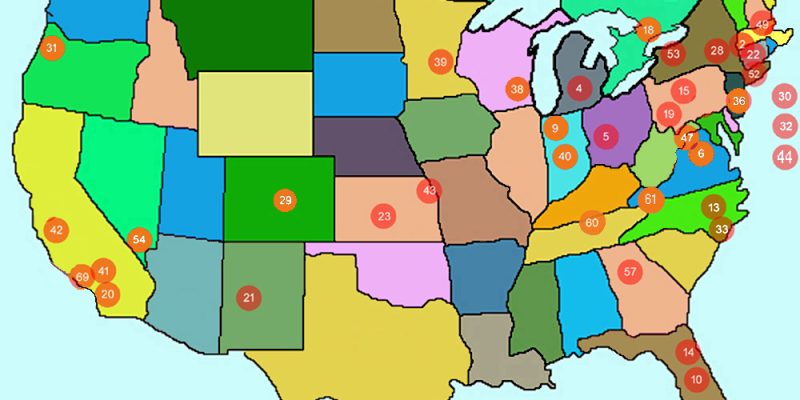
In the ever-evolving world of media, advertising, and digital strategy, understanding your audience’s geographic location is crucial. That’s where the concept of Designated Market Areas (DMAs) comes in. Whether you’re planning a TV campaign, geo-targeted ads, or market-specific promotions, knowing what a Designated Market Area is can help you reach the right viewers at the right time.
In this guide, we’ll explain:
- What a DMA is
- How it’s defined and segmented
- Why it matters in media buying
- Its impact on marketing strategies in 2025
What Is a Designated Market Area?
A Designated Market Area (DMA) is a geographic region in the United States where the population receives the same or similar television and radio station offerings. DMAs are defined by Nielsen Media Research, the company that collects and analyzes TV audience data.
There are 210 DMAs in the U.S., and each represents a group of counties where TV and media consumption patterns are similar, typically centered around a major city (e.g., New York DMA, Los Angeles DMA).
In simple terms: A DMA is used by advertisers and broadcasters to measure, compare, and target local audiences more effectively.
How Are DMAs Determined?
Nielsen assigns DMAs based on:
- The TV viewing habits of people in a given region
- The dominant TV market whose stations residents primarily watch
- Historical and statistical data collected from homes with set-top boxes, streaming, and cable subscriptions
DMA boundaries are updated annually to reflect changes in population, viewing behavior, and broadcast influence.
Why DMAs Matter in Marketing and Advertising
Understanding DMAs allows marketers and advertisers to:
Target Local Audiences
Brands can deliver geo-targeted TV, radio, and digital ads based on the preferences of people in a specific DMA.
Allocate Media Budgets Wisely
DMA data informs where to spend advertising dollars based on viewership, competition, and reach.
Measure Campaign Performance
Nielsen ratings are DMA-specific, helping brands understand ad performance and regional engagement.
Plan Political Campaigns
Politicians use DMA insights to tailor ads and appearances for key voter markets.
Enhance OTT and CTV Advertising
Streaming platforms now integrate DMA data for localized ad delivery.
DMAs vs. Other Market Areas: What’s the Difference?
| Term | Meaning | Use Case |
| DMA | Defined by Nielsen, based on TV viewing regions | TV & media advertising |
| MSA (Metro Statistical Area) | Defined by the U.S. Census Bureau, based on population density | Demographic & economic studies |
| Zip Code or County | Smallest targeting units | Direct mail, local SEO, hyperlocal ads |
| Designated Marketing Area (DMA) | Often confused with “Designated Market Area” but means the same in media contexts | Common in advertising discussions |
Use of DMAs in Modern Digital Marketing (2025 Trends)
Though originally created for TV planning, DMAs are now used in:
- Connected TV (CTV) and OTT advertising
- YouTube and digital video campaigns
- Programmatic ad buying platforms
- Local SEO and geo-fencing mobile ads
- Cross-platform analytics combining streaming, social media, and television
Marketers are combining DMA data with first-party customer data to refine personalization, relevance, and ROI.
Tools for DMA Targeting
Popular platforms that support DMA-level targeting:
- Google Ads (YouTube TV campaigns)
- Meta Ads Manager (geo-targeting by DMA)
- The Trade Desk and DV360
- Nielsen and Comscore reports
- TVision, Samba TV, and other CTV analytics tools
Examples of Large Designated Market Areas
| DMA Rank | Market Name | Approx. Population |
| 1 | New York, NY | ~7.5 million TV homes |
| 2 | Los Angeles, CA | ~5.6 million |
| 3 | Chicago, IL | ~3.2 million |
| 10 | Atlanta, GA | ~2.1 million |
| 20 | Sacramento, CA | ~1.5 million |
Source: Nielsen DMA Rankings, 2024
DMA Planning Tips for Marketers
- Combine DMA targeting with behavioral and demographic filters
- Avoid assuming DMA borders match city or state lines—they often don’t
- Use DMA analytics for local brand lift studies
- Prioritize high-ranking DMAs for national product launches
- Localize creative messaging per DMA to boost ad relevance
Conclusion
Understanding what a Designated Market Area is can transform the way your brand plans and delivers advertising. Even in a world of streaming and hyper-personalization, DMAs remain a key geographic unit for media planning, audience targeting, and ROI tracking. Whether you’re a small business targeting a single city or a national brand launching a cross-market campaign, DMA intelligence is your strategic edge.
FAQs
1. What is a Designated Market Area (DMA)?
A DMA is a geographic region defined by Nielsen where people receive the same media content, used for ad targeting and media measurement.
2. How many DMAs are in the United States?
There are currently 210 DMAs in the U.S., covering the entire country based on regional viewing patterns.
3. Why are DMAs important for advertisers?
DMAs allow advertisers to target and measure local TV and digital ad performance, improving campaign relevance and ROI.
4. Are DMAs still relevant with streaming services?
Yes, DMA targeting is now integrated into streaming, OTT, and CTV platforms for localized digital video ad delivery.
5. What’s the difference between a DMA and a zip code?
DMAs are larger, TV-based regions defined by media habits, while zip codes are postal-based areas used for mail and micro-targeting.
Also read: Bee Hoon Soup: 10 Delicious Variations to Try in Singapore