


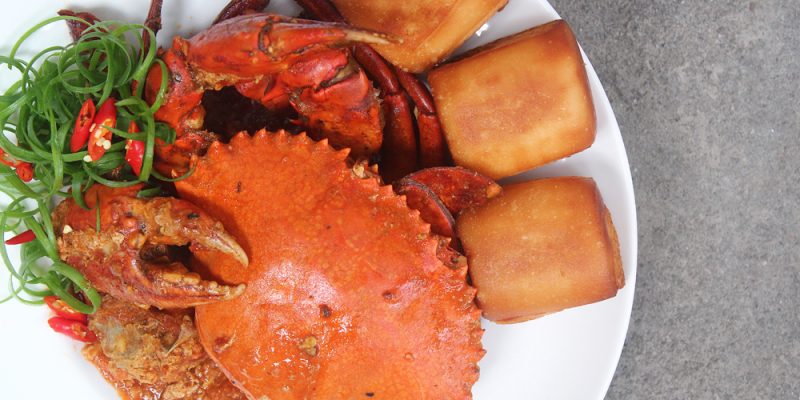
Few dishes represent the heart of Singaporean cuisine as perfectly as Chilli Crab with Mantou. Rich, spicy, sweet, and finger-licking good, this iconic seafood creation is not just a dish—it’s a national treasure. Whether enjoyed at a hawker center or in a Michelin-starred restaurant, chilli crab has become a must-try for anyone exploring the culinary soul of Singapore.
In this comprehensive guide, we’ll dive into the origins of chilli crab, explore why it’s so beloved, show you how to recreate it at home, and share the magic of pairing it with fried mantou buns. Get ready to discover why this dish remains a proud symbol of Singapore’s multicultural culinary legacy.
The Origins of Singapore’s Chilli Crab
Chilli crab was born out of innovation and necessity in the 1950s. The dish is believed to have been created by Cher Yam Tian, who, along with her husband, sold seafood from a humble pushcart. One day, she decided to stir-fry crabs with bottled chilli sauce and tomato ketchup, creating a dish that would soon become legendary.
As Singapore evolved into a global culinary hotspot, the recipe was refined. Today’s version includes fresh mud crabs stir-fried in a thick, semi-sweet, tangy, and mildly spicy sauce made from fresh chillies, garlic, ginger, ketchup, and eggs. What remains consistent is its vibrant flavor profile and messy, satisfying indulgence.
Why Chilli Crab Is More Than Just a Dish
Chilli crab isn’t merely food—it’s a cultural experience. It represents Singapore’s melting pot of culinary influences: Chinese stir-frying techniques, Malay sambal-style spice blends, and Western tomato-based sauces.
What Makes It Special
- Communal Dining: Often served whole, chilli crab encourages sharing and bonding.
- Messy Yet Memorable: It’s a dish best enjoyed with your hands, cracking open shells and soaking up sauce.
- Customizable Heat: Whether you like it fiery or mildly sweet, chilli crab caters to all palates.
Its reputation has grown internationally, even appearing on CNN’s list of the World’s 50 Best Foods, earning the admiration of chefs and foodies alike.
The Role of Mantou: The Perfect Companion
While the crab and sauce steal the spotlight, Mantou (Chinese steamed or fried buns) plays a crucial supporting role. These golden, fluffy buns are the perfect vehicle to soak up every last drop of that luscious chilli crab gravy.
Fried vs. Steamed Mantou
- Fried Mantou: Crisp on the outside, soft inside—perfect for dipping.
- Steamed Mantou: Soft, chewy, and subtly sweet—ideal if you prefer a lighter pairing.
The sweetness of mantou balances the spicy tang of the crab sauce, making it a pairing that’s nothing short of culinary harmony.
Ingredients for Chilli Crab with Mantou
Before diving into the recipe, gather the following ingredients:
For the Crab
- 2 large mud crabs (or 1.2–1.5 kg total)
- 1 tablespoon oil
- 1 teaspoon sesame oil
- 1 thumb-sized piece of ginger (julienned)
- 4 cloves garlic (minced)
- 3 shallots (sliced)
For the Sauce
- 3 tablespoons tomato ketchup
- 2 tablespoons chilli sauce (adjust to taste)
- 1 tablespoon sugar
- 1 tablespoon vinegar (white or rice vinegar)
- 1 tablespoon light soy sauce
- 1 tablespoon cornstarch (mixed with 3 tbsp water)
- 300 ml chicken stock or water
- 1 egg (lightly beaten)
For Garnish
- Spring onions or coriander
- Red chillies (optional for spice)
For the Mantou
- Store-bought mantou (steamed or frozen)
- Oil for deep frying (if making fried mantou)
Step-by-Step: How to Make Chilli Crab with Fried Mantou
Step 1: Clean and Prepare the Crab
- Remove the shell, clean the innards, and cut each crab into quarters.
- Crack the claws slightly so the flavor seeps in during cooking.
Step 2: Make the Sauce Base
- Heat oil in a wok or deep pan. Sauté ginger, garlic, and shallots until fragrant.
- Add ketchup, chilli sauce, sugar, vinegar, and soy sauce. Stir well.
Step 3: Add the Crab
- Toss in the crab pieces and coat them evenly with the sauce.
- Add chicken stock or water, cover, and simmer for 10–12 minutes until crab is cooked.
Step 4: Thicken the Sauce
- Stir in the cornstarch mixture slowly to thicken the sauce.
- Once thickened, swirl in the beaten egg to create silky ribbons in the sauce.
Step 5: Fry the Mantou
- Heat oil in a deep pan and fry the mantou buns until golden brown (2–3 minutes).
- Drain on paper towels.
Step 6: Serve and Garnish
- Garnish crab with chopped spring onions and sliced chillies.
- Serve hot with fried mantou on the side for dipping.
Variations and Tips for the Perfect Chilli Crab
Variations
- Spicier Version: Add fresh bird’s eye chillies or sambal belacan.
- Black Pepper Crab: Swap the chilli sauce for crushed black pepper and oyster sauce.
- Eggless Sauce: Omit eggs for a lighter, vegan-friendly gravy.
Pro Tips
- Use Live Crabs for maximum freshness.
- Don’t Overcook the crab—meat should be juicy, not rubbery.
- Sauce Consistency: Adjust cornstarch to make it thicker or thinner depending on preference.
The key is to find a balance of sweet, spicy, and tangy while allowing the natural sweetness of crab meat to shine.
Where to Try Chilli Crab in Singapore
If cooking isn’t your thing, fear not—Singapore is full of top-tier spots to enjoy chilli crab.
Famous Places Include:
- Jumbo Seafood (East Coast and Riverside Point): The quintessential chilli crab experience.
- No Signboard Seafood: Known for its rich sauce and fresh crabs.
- Long Beach Seafood: Offers a slightly spicier, pepper-heavy version.
- Red House Seafood: Blends traditional and modern takes with mantou always on the menu.
Pro tip: Always book in advance—these places are popular with both locals and tourists!
Conclusion
Chilli Crab with Mantou isn’t just a meal—it’s a journey through Singapore’s heritage, innovation, and multicultural flair. It embodies the bold, rich, and inclusive spirit of the city. Whether you’re preparing it at home or savoring it at a seafood restaurant by the sea, it’s an experience worth indulging in.
Next time you’re in Singapore—or just craving something uniquely flavorful—make it a point to enjoy this timeless classic. Don’t forget the napkins, a bib if you must, and lots of mantou buns. Because when it comes to chilli crab, messy is beautiful.
FAQs
1. What type of crab is best for chilli crab?
Mud crabs are the preferred choice due to their sweet, meaty flesh and large claws. However, you can also use flower crabs or even Dungeness crab depending on availability.
2. Can I make chilli crab less spicy?
Yes! Reduce or eliminate the chilli sauce and fresh chillies. Focus more on tomato ketchup and sugar to maintain flavor while lowering heat.
3. What’s the difference between chilli crab and black pepper crab?
Chilli crab features a sweet-spicy-tangy tomato-based sauce, while black pepper crab uses a dry, peppery sauce with oyster and soy sauce as the base.
4. Can I freeze leftovers?
It’s not recommended to freeze cooked crab as the texture may change. However, you can refrigerate leftovers for up to 2 days and reheat gently over the stove.
5. Where can I buy mantou buns?
Mantou is available at most Asian grocery stores, either frozen or fresh. Look for plain, mini-sized buns for frying or steaming as a perfect accompaniment to chilli crab.
Also read: Stein am Rhein: 10 Reasons It’s Switzerland’s Hidden Gem