


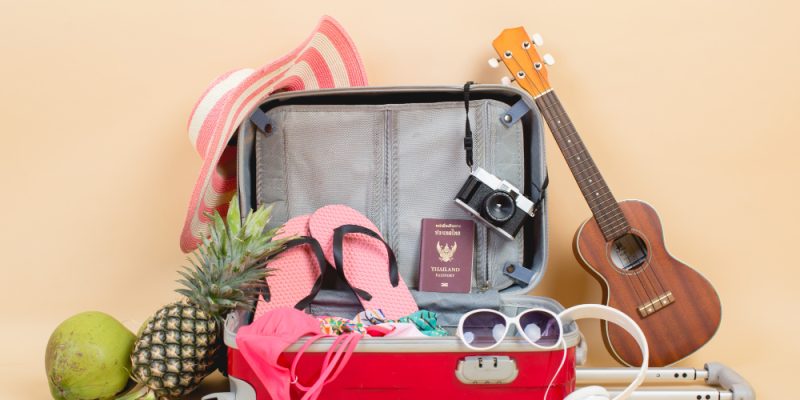
The Caiman Pantanal, located in the heart of Brazil’s expansive wetland region, is one of the richest ecosystems on the planet. With its untamed landscapes, rare wildlife sightings, and once-in-a-lifetime safari experiences, it promises adventure at every turn. But to truly enjoy your trip to this natural wonderland, packing the right essentials is key.
From sweltering days to chilly nights, and mosquito swarms to muddy trails, the Caiman Pantanal offers unforgettable memories — but only if you’re well-prepared. This guide reveals the 11 must-pack items to keep you comfortable, safe, and fully immersed in this bucket-list destination.
1. Lightweight, Long-Sleeved Clothing
In the Pantanal, sun exposure and mosquitoes are constant companions. The best solution? Long-sleeved shirts and pants made of breathable, quick-dry fabrics. These protect you from insect bites, scratches from bushes, and harsh sun without overheating.
Look for neutral colors like olive, tan, or gray, which don’t attract insects and help you blend into the environment during wildlife spotting.
Pro tip: Convertible pants (zip-off style) give you both shorts and trousers in one!
2. Sturdy Waterproof Hiking Boots
The terrain in the Caiman Pantanal varies from muddy trails to grassy plains and shallow streams. A pair of waterproof hiking boots with good ankle support is crucial for navigating it all comfortably and safely.
Your shoes will take a beating, so choose durability over style — and break them in before you go.
Bonus item: Pack moisture-wicking socks and quick-dry insoles to keep your feet happy.
3. Insect Repellent with DEET or Picaridin
Mosquitoes, ticks, and other biting insects thrive in the wetlands. A high-quality insect repellent is one of your most important items — especially in the early mornings and evenings when bugs are most active.
Choose a formula with 30-50% DEET or 20% Picaridin for maximum protection, and consider bringing a mosquito-repellent wristband or sprayable permethrin for your clothes.
4. Wide-Brimmed Hat and Sunglasses
To beat the tropical sun, pack a wide-brimmed, lightweight hat that offers full face and neck coverage. A breathable hat with a chin strap is ideal for breezy boat rides and long hikes.
Pair it with polarized sunglasses that reduce glare and protect your eyes during midday excursions on water or open land.
5. High-SPF Sunscreen
Even on overcast days, the sun in the Pantanal is intense, especially if you’re out on the water. Apply broad-spectrum SPF 50+ sunscreen on all exposed skin, including the back of your hands and neck.
Go for a sweat-resistant, reef-safe formula to stay protected throughout your adventures. A small sunscreen stick is also great for quick touch-ups on the go.
6. Dry Bag or Waterproof Backpack
Between boat rides, sudden rain showers, and misty mornings, your gear is likely to get wet. Protect electronics, clothes, and important documents by bringing a dry bag or waterproof backpack.
You’ll be grateful for it when crossing rivers, kayaking through marshes, or encountering a surprise rainstorm on the trail.
Optional: Use smaller dry sacks within your main bag to separate wet/dirty clothes from clean ones.
7. Binoculars for Wildlife Viewing
The Pantanal is a dream destination for spotting jaguars, giant otters, capybaras, caimans, toucans, and more. A good pair of binoculars brings you closer to the action without disturbing the animals.
Look for 8x or 10x magnification and weather-resistant features. Compact binoculars are easier to carry, but make sure image quality isn’t sacrificed.
8. Camera with Zoom Lens or Smartphone Gimbal
Whether you’re a professional photographer or a casual traveler, the Caiman Pantanal is incredibly photogenic. You’ll want a camera or phone setup that lets you capture fast-moving wildlife, reflective lagoons, and dramatic sunsets.
DSLR or mirrorless camera with a zoom lens (200mm or more) is ideal.
If using a smartphone, pack a gimbal or stabilizer for smooth video and panorama shots.
Don’t forget spare batteries, memory cards, and a lens cleaning kit.
9. Reusable Water Bottle with Filter
Staying hydrated is crucial in the hot, humid Pantanal. Bring a durable, insulated water bottle, preferably one with a built-in filtration system. This allows you to safely drink from natural sources or lodge taps without relying on single-use plastic bottles.
Brands like LifeStraw, Grayl, or Sawyer offer great travel-friendly water filtration bottles.
10. Compact First Aid Kit
When traveling into remote areas, it’s smart to carry a small first aid kit for blisters, bug bites, minor cuts, or stomach upset. Your lodge or guide may have a kit, but having one of your own ensures you’re ready for minor mishaps.
Must-haves include:
Adhesive bandages
Antiseptic wipes
Tweezers
Anti-itch cream
Pain relievers
Rehydration salts
Anti-diarrheal medication
11. Headlamp or Flashlight
Electricity in remote areas of the Pantanal can be inconsistent, and many nighttime activities (like jaguar spotting or night walks) require your own source of light. A headlamp is more convenient than a handheld torch, especially when your hands are full or you’re navigating uneven paths.
Choose one with a red-light mode to avoid startling animals and preserve your night vision.
Conclusion: Smart Packing = A Smoother, Wilder Adventure
Exploring the Caiman Pantanal is a once-in-a-lifetime experience — but like any journey into the wild, it demands preparation. Packing the right gear ensures you stay safe, comfortable, and ready to soak in every amazing moment, from birdwatching at dawn to sunset safaris and everything in between.
With these 11 essentials in your backpack, you’ll be well-equipped to embrace the vibrant chaos and natural wonder of Brazil’s greatest wilderness. Now get ready to paddle through calm lagoons, ride horses alongside capybaras, and catch a glimpse of a jaguar as the sun dips behind the marshes — the Pantanal is waiting.
FAQs About Packing for Caiman Pantanal
1. What is the best time of year to visit the Caiman Pantanal?
The dry season (May to October) is ideal for travel. Wildlife is easier to spot, and trails are more accessible. However, the wet season (November to March) offers vibrant scenery and fewer crowds.
2. Is it safe to drink the water in the Pantanal?
It’s recommended to use filtered or bottled water. Carrying a water bottle with a built-in filter allows you to safely hydrate without contributing to plastic waste.
3. Can I wear shorts in the Caiman Pantanal?
Yes, but long pants are generally better for protection against insects, sun, and thorny vegetation. Lightweight, breathable materials offer comfort without compromising safety.
4. Are there stores in the Pantanal to buy essentials?
No — once you’re in the Pantanal, supplies are limited. It’s important to pack all essentials beforehand, especially personal items, medications, and gear.
5. Do I need malaria pills or vaccines before visiting?
The Pantanal is not a high-risk malaria area, but consult your travel doctor about recommended vaccines (such as Yellow Fever and Typhoid) and any prophylactic medications based on your itinerary.
Also read : What is Tau Sar Pau? A Sweet Asian Treat with Red Bean Filling