


In the vibrant world of Cantonese cuisine, few dishes embody comfort, tradition, and flavor quite like Ting Zai Congee (艇仔粥). Translating to “Boat Congee” in English, this iconic dish has warmed hearts and stomachs across generations, transcending its humble origins to become a treasured staple in Chinese culinary culture.
This article dives deep into the story, ingredients, cultural significance, and modern interpretations of Ting Zai Congee. From its origins on the waterways of Guangdong to its presence in global food scenes today, you’ll discover why there’s a world of heritage in every bowl.
The Origin Story: Congee Born on Water
Ting Zai Congee traces its roots back to the bustling city of Guangzhou (Canton), specifically along the Pearl River during the Qing Dynasty. At the time, small boats called “ting zai” or “sampans” served as mobile homes and food stalls for river dwellers.
Fishermen and their families lived on these boats, cooking simple, nourishing meals to sell to other locals, travelers, and traders passing through. Congee—rice boiled into a silky porridge—was a convenient, economical, and filling dish to prepare.
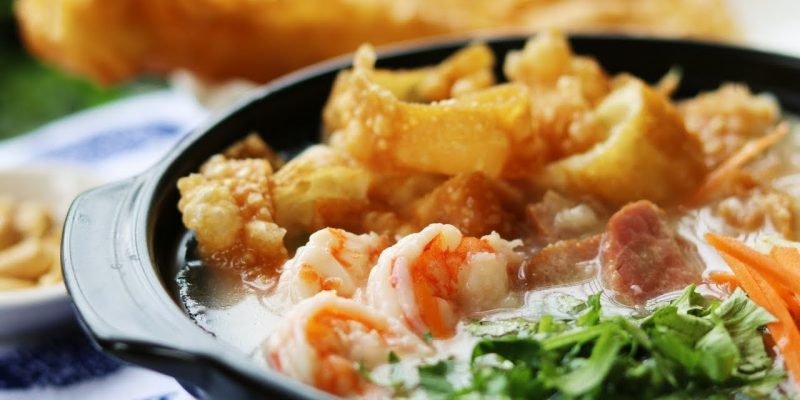
To make it flavorful, they added whatever seafood or meats were available: fish slices, squid, jellyfish, peanuts, century eggs, and shredded pork. Thus, Ting Zai Congee was born—a melting pot of river ingredients and the spirit of survival.
The Essence of Ting Zai Congee: Simplicity and Soul
At first glance, Ting Zai Congee may appear modest. But like many heritage dishes, its power lies in its simplicity, balance, and texture.
A traditional bowl typically contains
- Silky rice porridge, slow-cooked to creamy perfection
- Slices of fresh fish (commonly grass carp or snakehead fish)
- Shredded squid and cuttlefish
- Jellyfish strips
- Peanuts or fried dough sticks (youtiao) for crunch
- Preserved vegetables or century egg
- Fresh scallions and coriander
- A drizzle of sesame oil and soy sauce
Each ingredient serves a purpose—adding flavor, texture, or cultural context. This isn’t just a dish; it’s a carefully orchestrated symphony of taste and history.
Nutritional Value and Health Benefits
Besides being deeply satisfying, Ting Zai Congee is also highly nutritious and digestible, making it a go-to meal for people of all ages.
Health benefits include
- Digestive ease: Congee is gentle on the stomach, ideal for those recovering from illness.
- Hydration: The high water content keeps you hydrated.
- Lean protein: Fish and squid offer high-quality protein and omega-3 fatty acids.
- Low fat: Traditionally made without excessive oils or heavy fats.
- Customizable: Easy to tailor for low sodium, vegetarian, or allergen-friendly diets.
Elders often refer to Ting Zai Congee as a healing food, good for restoring energy, especially during colder months or after fasting.
Cultural Significance and Legacy
Ting Zai Congee is more than sustenance—it’s a cultural artifact. Passed down through generations, it reflects southern Chinese values: frugality, ingenuity, community, and respect for nature.
In the past, it was a commoner’s dish, yet today, you’ll find it on the menus of upscale Cantonese restaurants across Hong Kong, Macau, Singapore, and Chinatowns worldwide. Whether served in plastic bowls from street hawkers or elegant porcelain at fine dining tables, the essence remains the same.
The dish is especially popular during traditional Chinese holidays like Qingming Festival, when families eat humble meals to honor their ancestors.
Modern Variations and Global Appeal
With the global rise of Cantonese cuisine, Ting Zai Congee has seen exciting reinterpretations. While traditionalists stick to the original ingredients, modern chefs are adding creative twists to adapt to global palates.
Popular variations include
- Seafood Supreme: With scallops, prawns, crabmeat
- Fusion Bowl: Includes Japanese miso or Korean kimchi
- Vegetarian Ting Zai: Made with tofu, mushrooms, and vegetable broth
- Luxury Twist: Topped with abalone, foie gras, or truffle oil
Restaurants in cities like San Francisco, Sydney, and London are incorporating Ting Zai Congee into their brunch menus, often branding it as an Asian comfort food or “gourmet porridge.”
This evolution keeps the dish alive and relevant while honoring its heritage.
Where to Eat Ting Zai Congee Today
If you’re eager to try an authentic bowl of Ting Zai Congee, head to neighborhoods or cities with strong Cantonese influences.
Top places include
- Hong Kong: Try local favorites like Sang Kee Congee Shop in Sheung Wan.
- Guangzhou: Traditional stalls in Liwan District still make it the old-fashioned way.
- Singapore: Maxwell Food Centre and Chinatown Complex Food Centre are hotspots.
- Toronto & Vancouver: Dim sum restaurants often include it on breakfast menus.
- San Francisco & New York: Fusion bistros are bringing back this dish with a modern spin.
Whether you’re enjoying it in a back-alley food stall or a luxury hotel, the warmth of Ting Zai Congee is unmistakable.
How to Make Ting Zai Congee at Home
You don’t have to travel far to enjoy Ting Zai Congee. Making it at home is simple and allows for full control over the ingredients.
Basic recipe (4 servings):
Ingredients
- 1 cup jasmine rice (rinsed and soaked)
- 8 cups water or broth (fish, chicken, or vegetable)
- 150g sliced fish (tilapia or cod work well)
- 50g shredded squid
- Century egg (optional, diced)
- 1 tbsp soy sauce
- 1 tbsp sesame oil
- Salt and white pepper to taste
- Chopped scallions and coriander
- Peanuts or fried dough sticks for garnish
Instructions
- Boil rice in broth on medium heat. Stir occasionally to avoid sticking.
- Simmer for 1–1.5 hours until rice breaks down into a smooth porridge.
- Add fish slices and squid in the final 10 minutes.
- Season with soy sauce, sesame oil, salt, and pepper.
- Serve hot with toppings of your choice.
Tip: Soaking the rice in water for 30 minutes before cooking speeds up the process and improves texture.
Conclusion
Ting Zai Congee is not just food—it’s heritage in a bowl. A testament to the resilience and resourcefulness of Cantonese river dwellers, it has sailed from sampan kitchens to global menus without losing its soul.
Whether you’re savoring it for nostalgia, nutrition, or novelty, every spoonful connects you to centuries of history, culture, and care. It’s a reminder that the best meals are often the simplest—and the ones made to warm both body and spirit.
FAQs
1. What does “Ting Zai Congee” mean?
“Ting Zai” translates to “small boat” or “sampan” in Cantonese, and “congee” is rice porridge. The dish gets its name because it was originally sold by boat people along Guangzhou’s rivers.
2. What makes Ting Zai Congee different from other types of congee?
Unlike plain congee, Ting Zai includes a mix of seafood, preserved vegetables, and crunchy toppings, reflecting its river origins. It’s a flavorful, textured version that stands out in the congee world.
3. Is Ting Zai Congee spicy?
Traditionally, it is not spicy. However, chili oil or pepper can be added as a condiment depending on personal taste.
4. Can I make a vegetarian version of Ting Zai Congee?
Yes! Simply replace seafood with mushrooms, tofu, or vegetarian broth. Add soy sauce, sesame oil, and crunchy toppings like fried shallots to maintain flavor complexity.
5. Is Ting Zai Congee eaten for breakfast, lunch, or dinner?
It’s traditionally a breakfast or supper dish, but today it’s enjoyed any time of day—especially when comfort food is needed.
Also read: Time in Freiburg Germany: 9 Instagram-Worthy Spots for Your Travel Feed